A one-positron cyclotron could put a core Standard Model prediction to the test.
Positrons, antimatter versions of electrons, act like tiny magnets, and the model expects their magnetism to match the electron's in strength but reverse in sign.
An OpenAI-appointed committee led by physicist David Gross has verified the company's AI-generated proof that quantum Yang-Mills theory exists. That theory is a foundation for the Standard Model, which describes the subatomic particles we know about.
The panel posted its findings on November 10, confirming the proof passes formal checking in Lean, a programming language for verifying mathematics. Its members admit they don't yet fully understand the proof, and some mathematicians criticize the tightly controlled release.
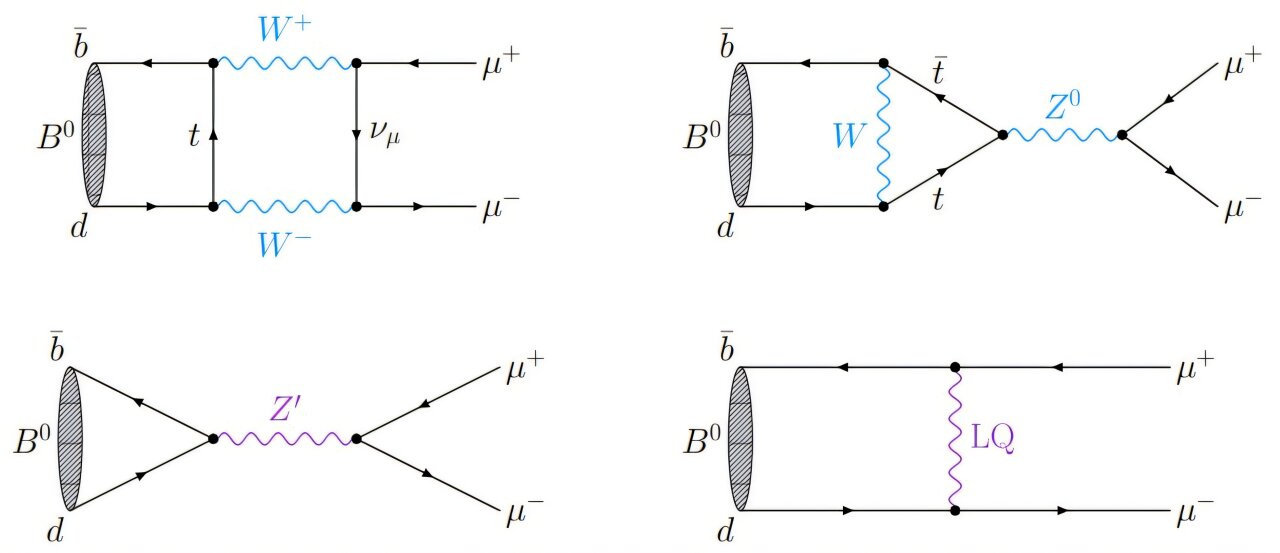
Physicists at the Large Hadron Collider are seeing fewer 'penguin' decays of B mesons than the Standard Model predicts, plus an odd pattern in the directions the particles travel.
The team studied about 650 billion B meson decays. The result falls short of discovery level, and part of it may come from hard-to-predict 'charming penguin' effects. A separate analysis at the CMS detector hints at a similar result.
Imperial College's Mark Smith says explaining penguin decays could also point towards dark matter, and expects the question to be settled within 5 to 10 years.
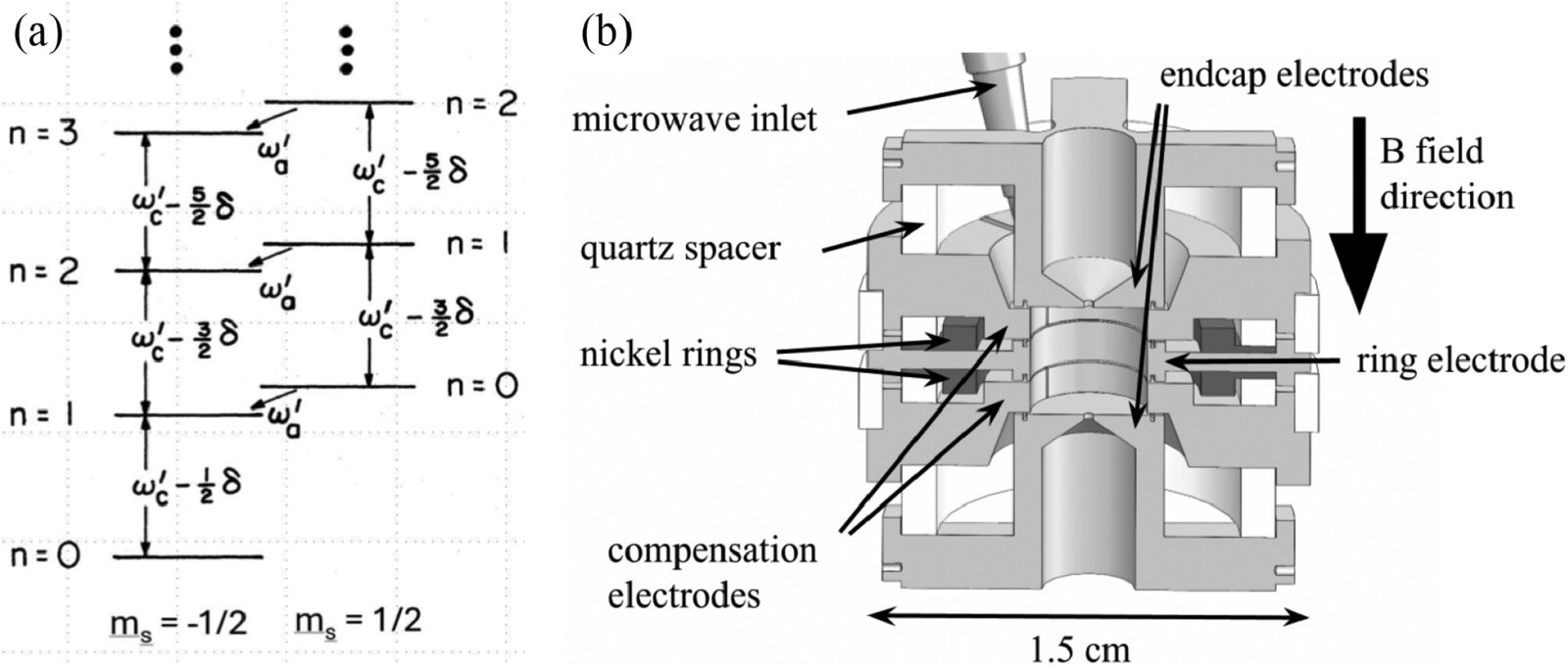
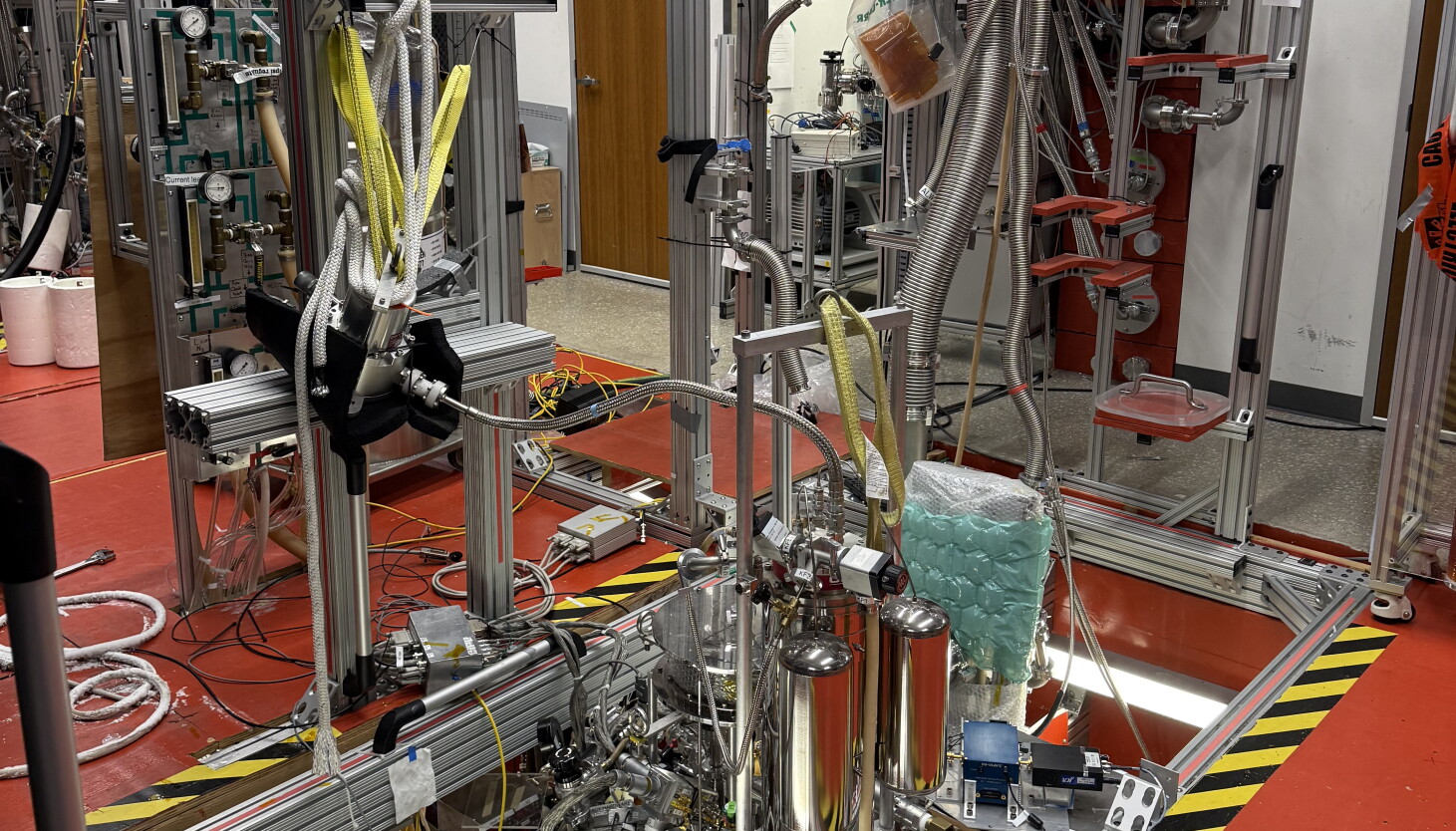
Northwestern University physicists have trapped a single positron, the antimatter twin of the electron, for months. They used electric and magnetic fields to freeze it in place.
Antimatter vanishes on contact with ordinary matter, so the team built a wall-free trap from batteries and magnets. Comparing the positron's magnetic properties with an electron's could expose a flaw in the Standard Model.
The team hopes the results will help solve a puzzle: the Big Bang should have made equal amounts of matter and antimatter.
 Physics Guy@physicsguy