A team at Shanxi University in China says it has found a way around the Heisenberg uncertainty principle, which limits how precisely paired properties like position and momentum can be known.
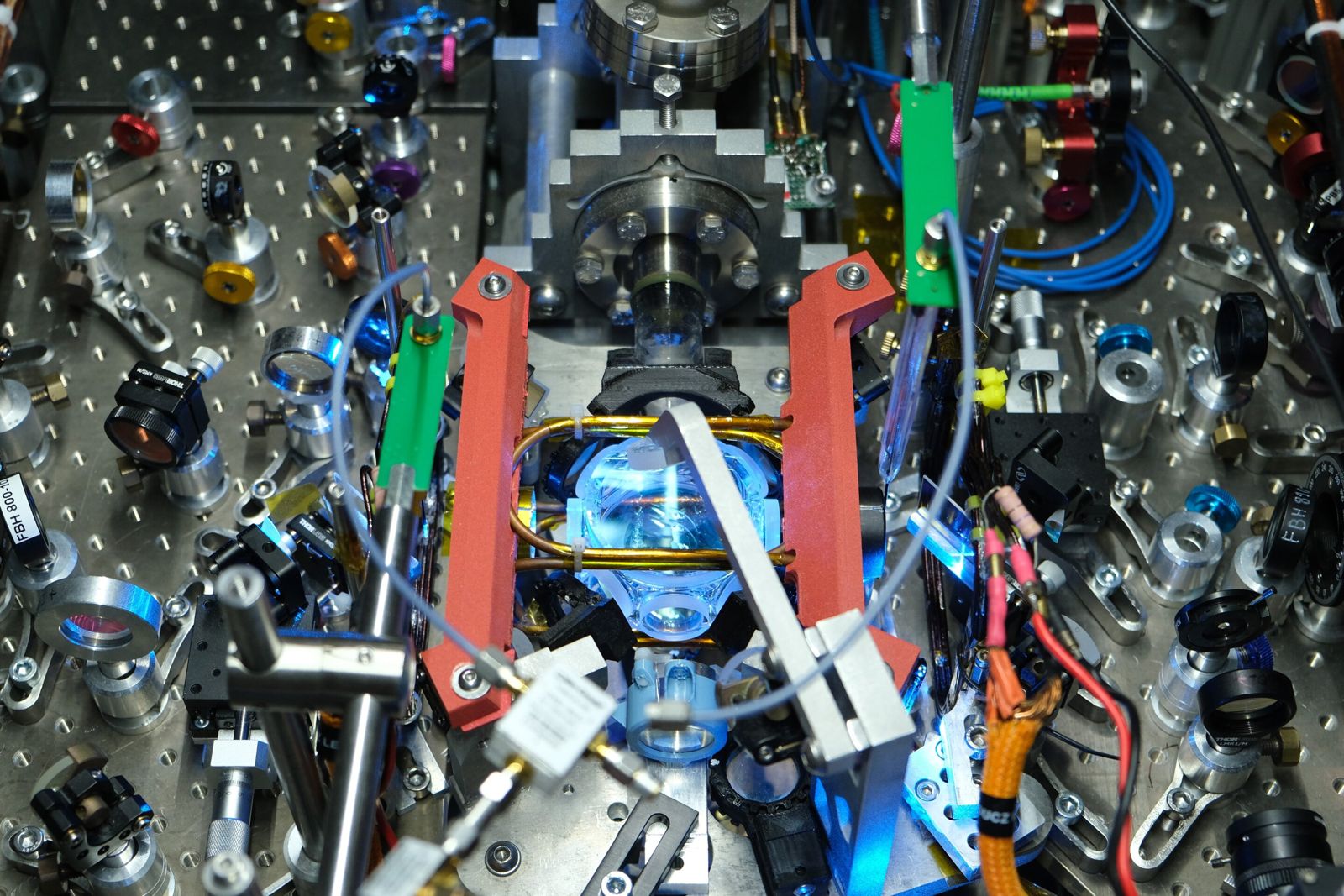
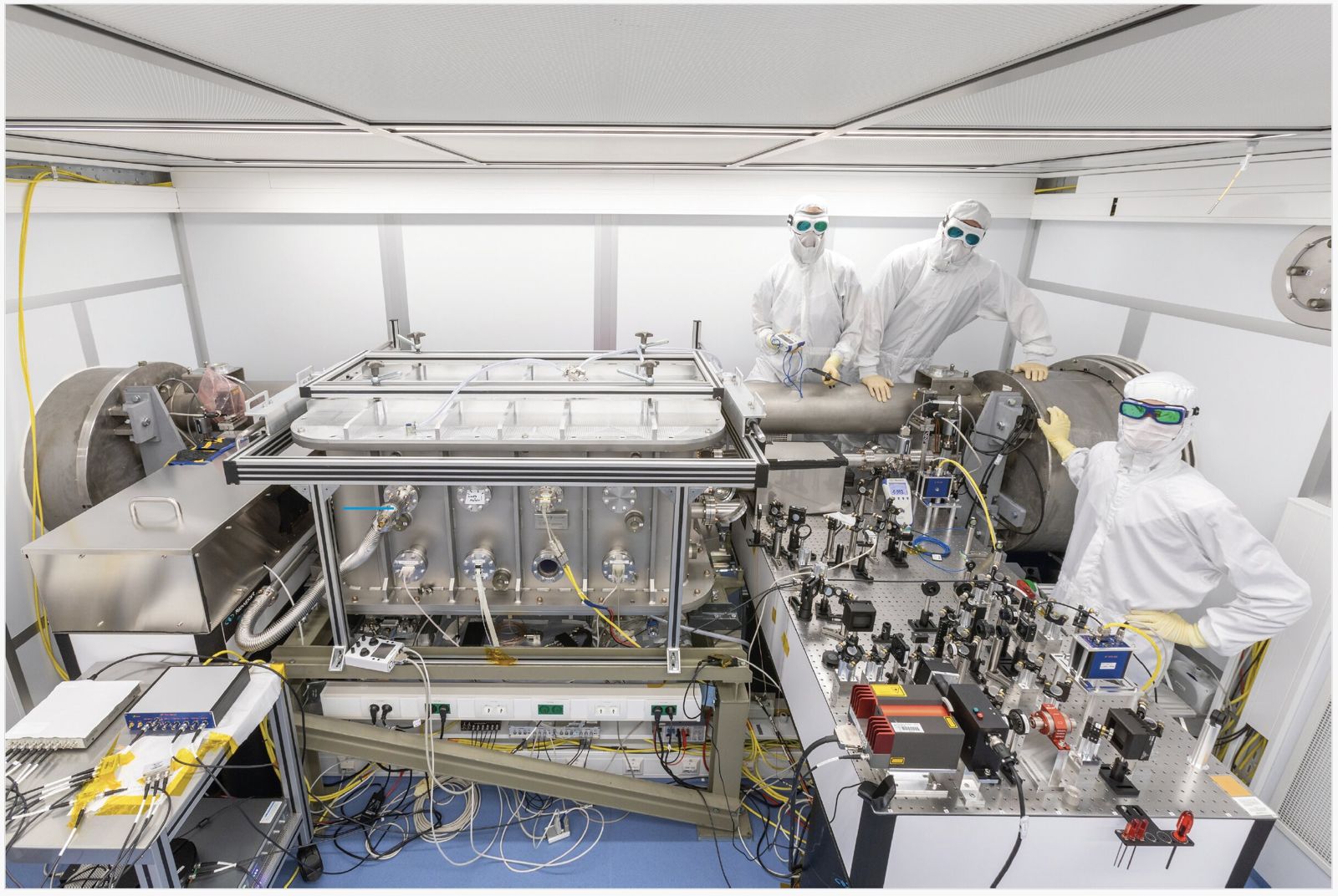
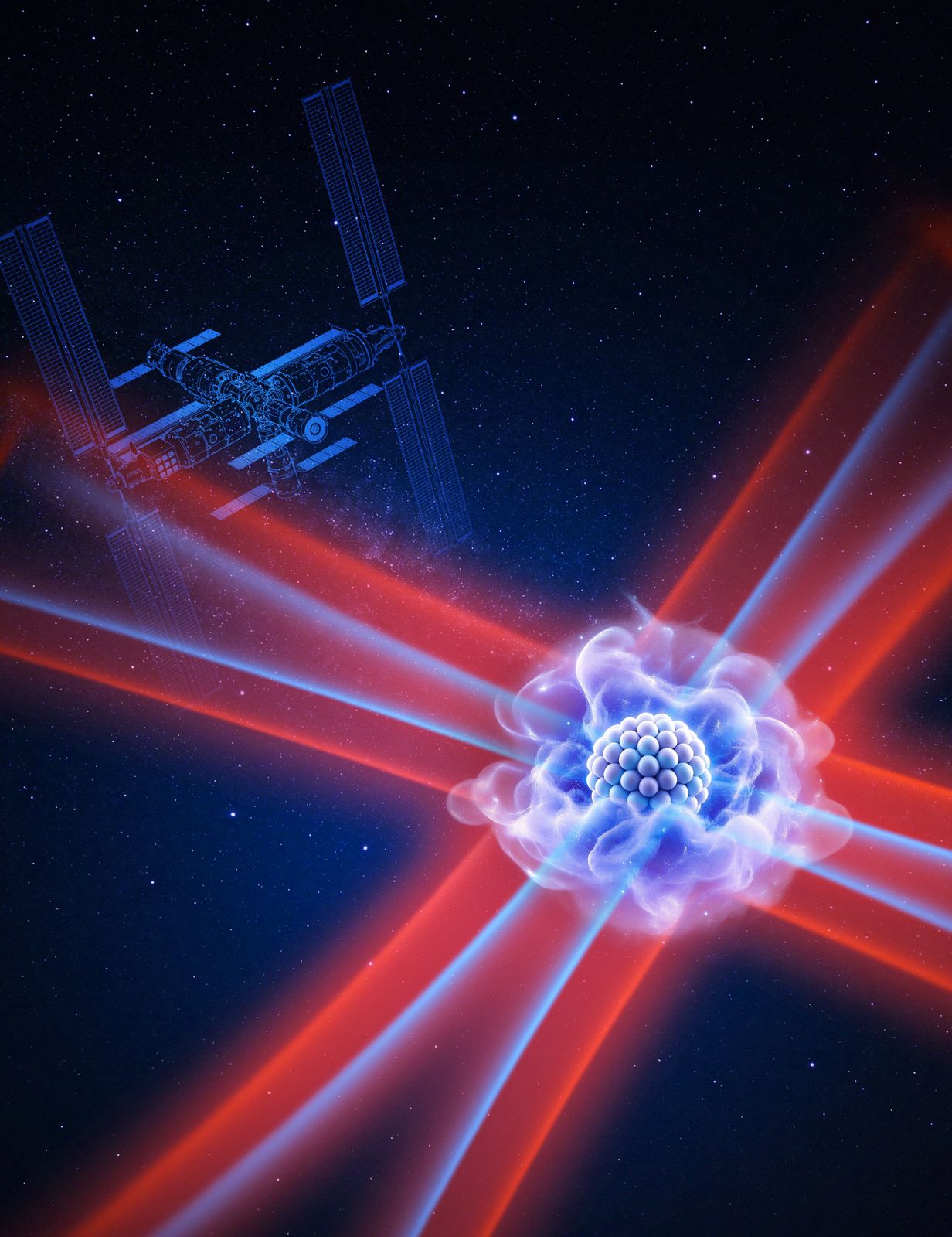
Rather than predicting the future, they combined data from before and after each measured moment. Using 52 billion rubidium atoms in a small glass chamber, they got results about 20 percent more precise than the limit allows.
The work is a preprint and has not yet been peer-reviewed. Heisenberg's limit still holds, but the approach gets around it to some extent.
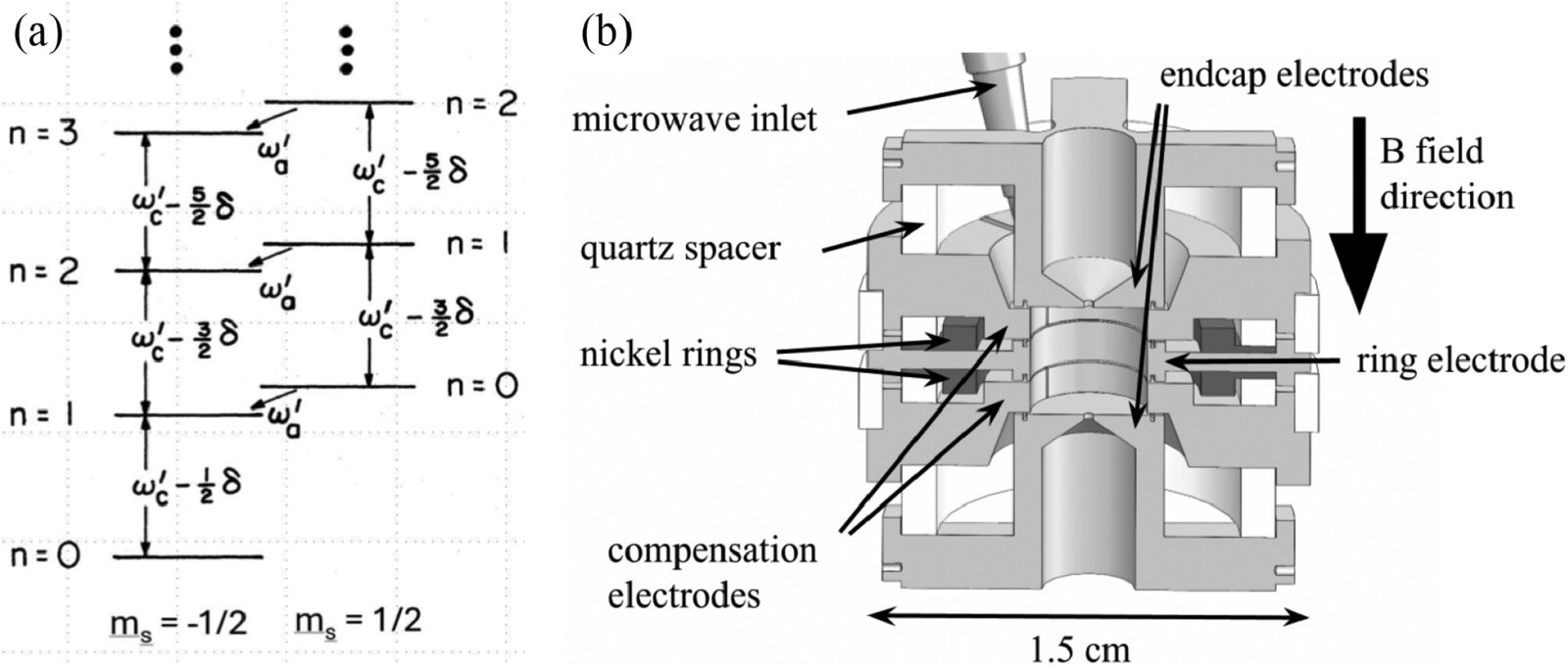
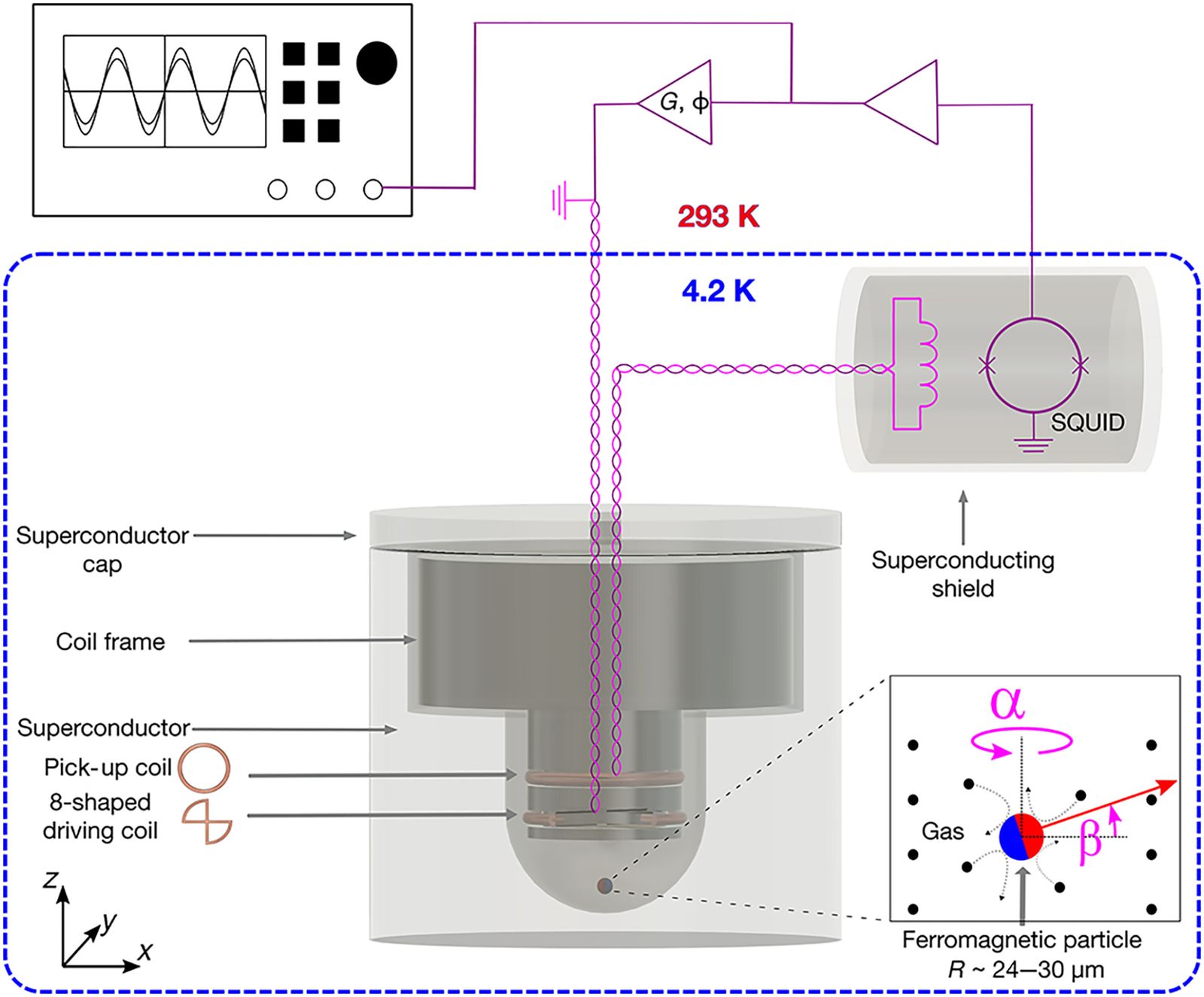
A one-positron cyclotron could put a core Standard Model prediction to the test.
Positrons, antimatter versions of electrons, act like tiny magnets, and the model expects their magnetism to match the electron's in strength but reverse in sign.
Researchers have proposed a lab-scale quantum sensor to measure frame dragging from Earth's rotation. If built, it could match the 0.2% precision of the best satellite measurements in about 35 minutes.
The device would use a loop of superfluid helium-4 with a thin, perforated barrier. Earth's rotation would shift the rate at which the helium sloshes, and that shift is what gets measured.
The barrier is the hurdle, since its holes must be about 1 nanometer wide. Such materials are still in development, so no working sensor exists yet.
An OpenAI-appointed committee led by physicist David Gross has verified the company's AI-generated proof that quantum Yang-Mills theory exists. That theory is a foundation for the Standard Model, which describes the subatomic particles we know about.
The panel posted its findings on November 10, confirming the proof passes formal checking in Lean, a programming language for verifying mathematics. Its members admit they don't yet fully understand the proof, and some mathematicians criticize the tightly controlled release.
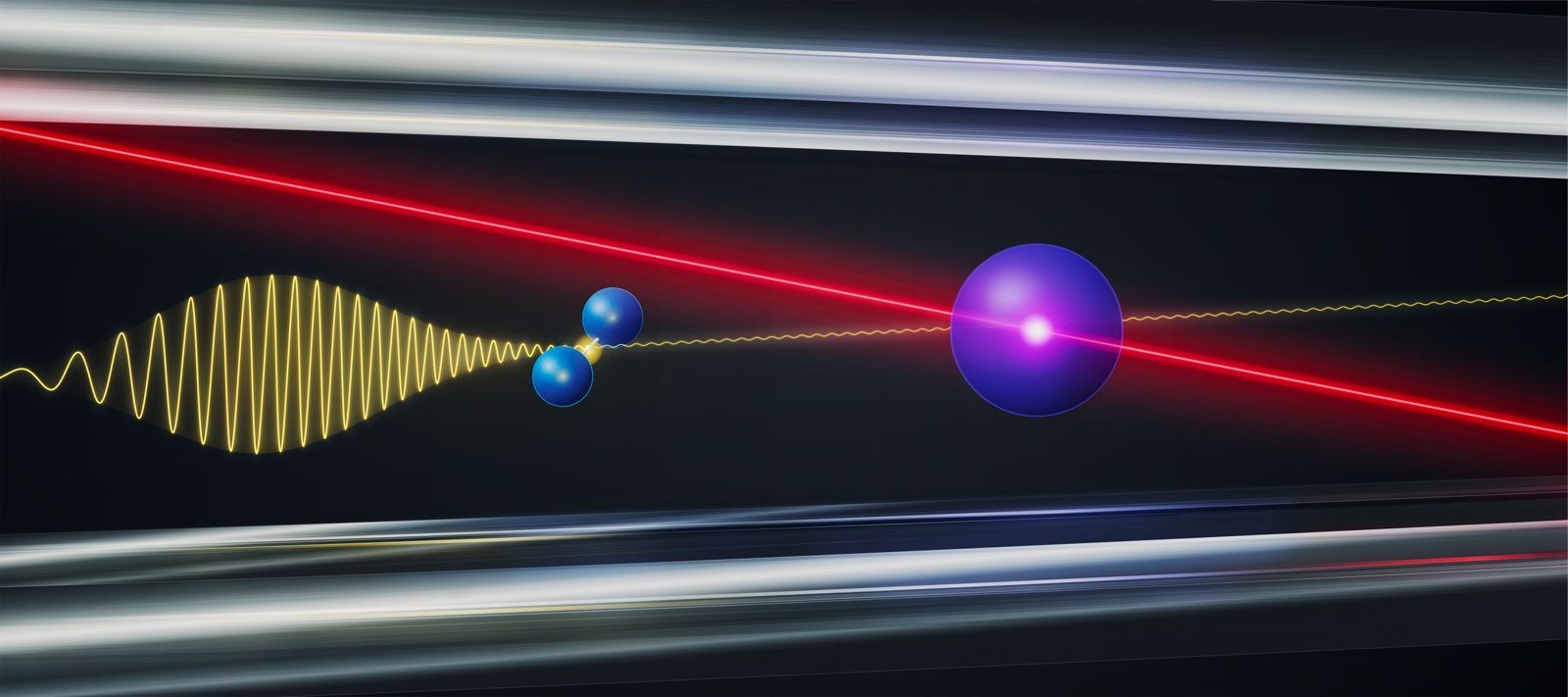
Researchers at the University of Basel controlled normally forbidden vibrations in single nitrogen molecules using repeatable laser measurements that leave them intact.
This could support extremely accurate clocks and quantum bits.
In 1938, Bibha Chowdhuri left light-sensitive plates coated with samarium sulphate out for months to catch cosmic particles, with some kept in a Calcutta refrigerator and others at Sandakphu.
Two of the Sandakphu plates showed about 30 starburst patterns, traces of atomic nuclei breaking apart. Later work with DM Bose used the shapes of these tracks to tell particles apart, a method Cecil Powell later used in his Nobel-winning mesotron research.
Their 1941 papers suggested some of the particles were lighter and probably mesotrons, now known as muons.
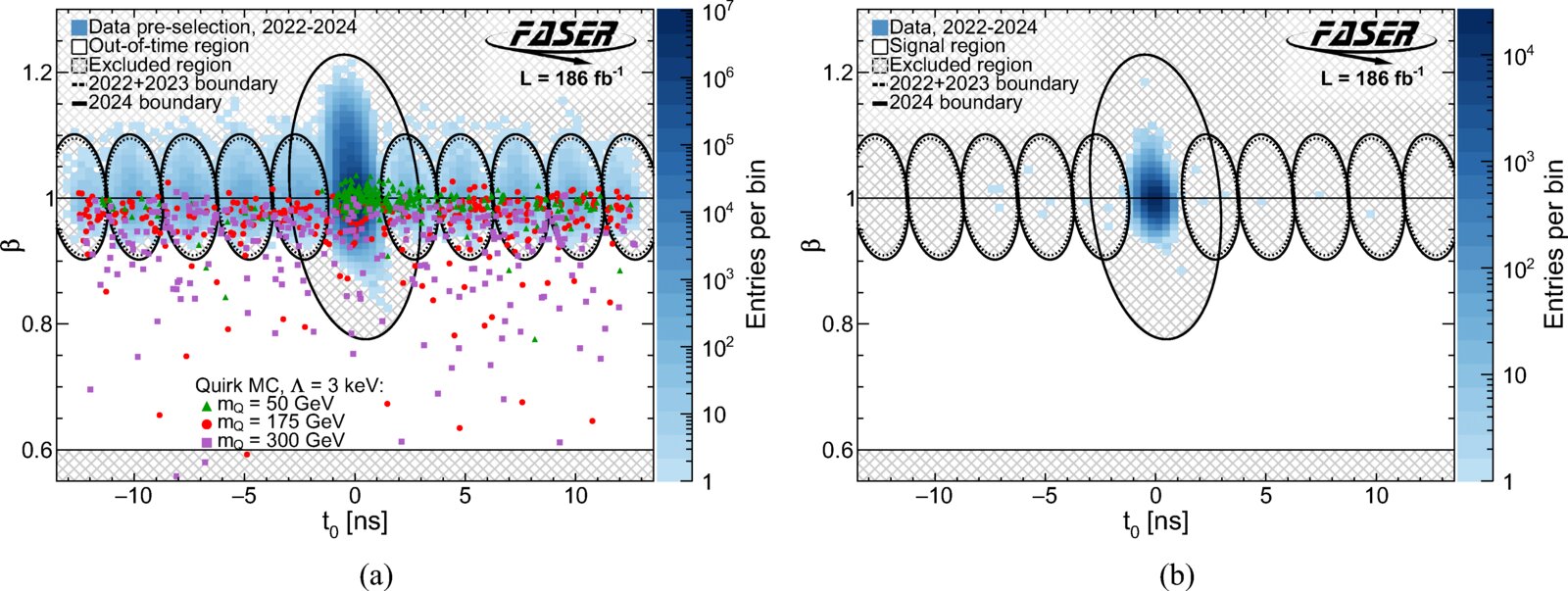
Physicists at the Large Hadron Collider are seeing fewer 'penguin' decays of B mesons than the Standard Model predicts, plus an odd pattern in the directions the particles travel.
The team studied about 650 billion B meson decays. The result falls short of discovery level, and part of it may come from hard-to-predict 'charming penguin' effects. A separate analysis at the CMS detector hints at a similar result.
Imperial College's Mark Smith says explaining penguin decays could also point towards dark matter, and expects the question to be settled within 5 to 10 years.
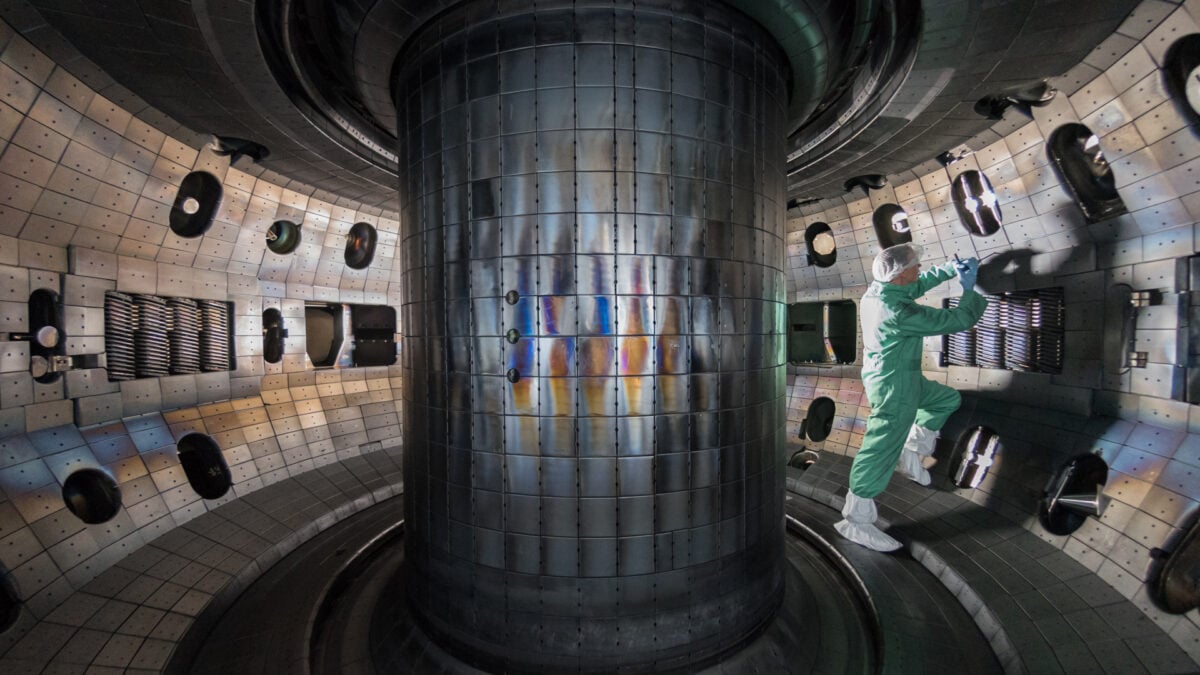
Researchers at General Atomics showed that helicon current drive works at the DIII-D fusion facility. The method was first proposed in the 1980s, but the equipment of that time could not make it work.
It uses high-frequency radio waves to generate a current inside a tokamak's hot plasma. Tokamaks driving current the usual way are limited to pulses of about 10 seconds at DIII-D, while most design studies say commercial reactors must run in steady state.
The team checked its statistics closely, and its next goal is to couple far more power into the helicon waves.
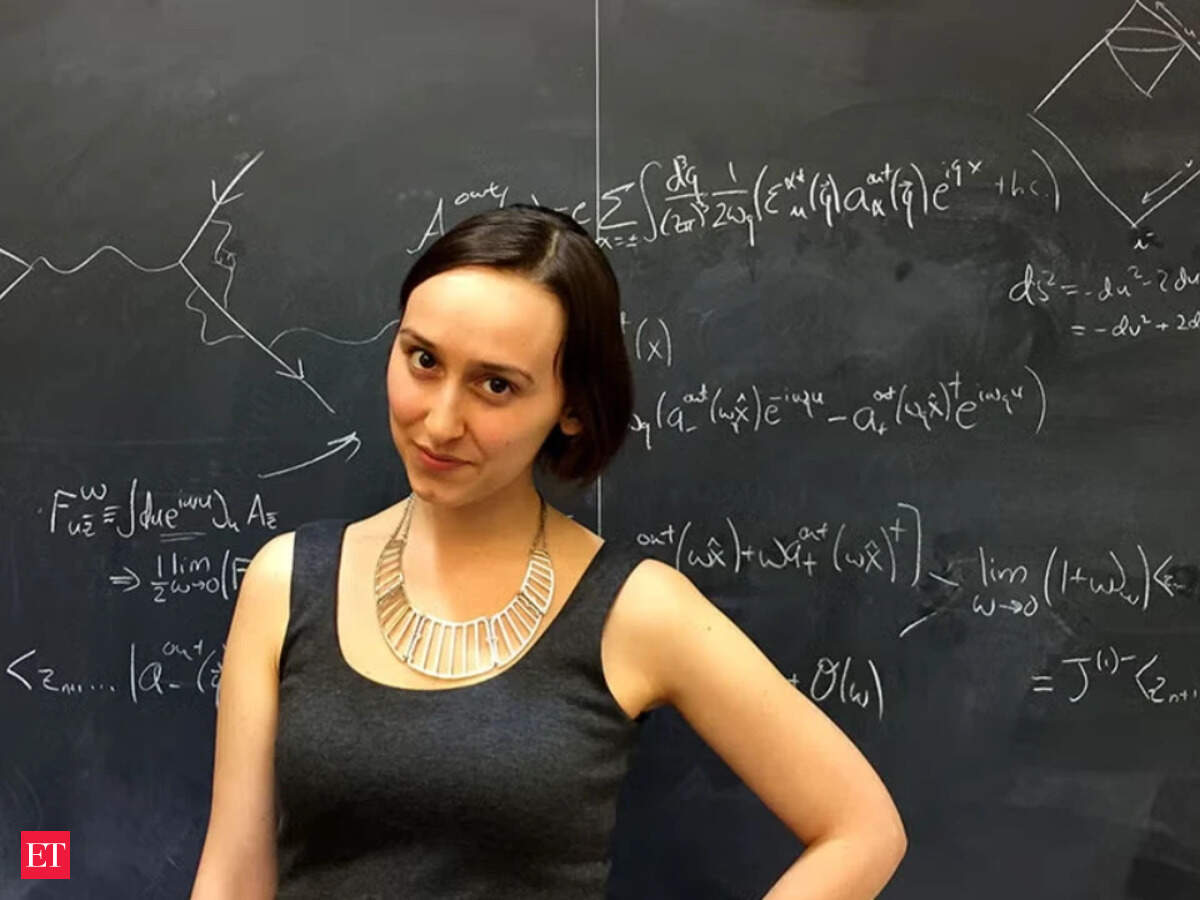
Sabrina Pasterski, who started building her own aircraft as a young teen, now studies quantum gravity and black holes at Canada's Perimeter Institute.
She leads the institute's Celestial Holography Initiative, an $8 million project funded by the Simons Foundation. It asks whether the universe's information could be described with fewer dimensions, a bit like a hologram.
The wider aim is a single theory that unites gravity and quantum physics, which scientists still don't have.
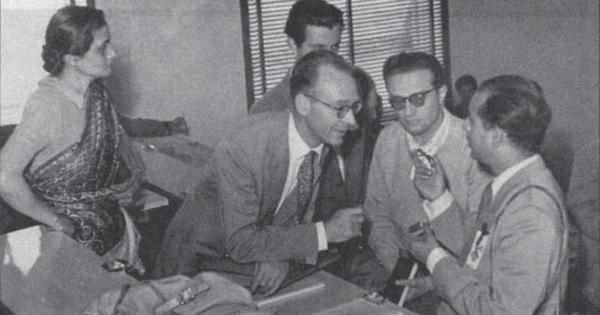
Indian physicist TK Radha has been profiled for her particle physics career.
Born in 1938 in a Kerala village with no electricity, she joined a University of Madras group led by Alladi Ramakrishnan and later received an invitation from Oppenheimer.
A bet made at a 2021 birthday party helped spark research showing that measurement and feedback can rein in chaos in a quantum system. Four physicists worked out the theory during summers at the Aspen Center for Physics.
Testing it on an IBM device with roughly 100 qubits, a system too large for ordinary computers to simulate, confirmed their predictions.
Not every chaotic quantum system is now easy to control, since quantum computers are still delicate. Still, the authors see it as a new way to steer complex quantum systems.
Physicists have found evidence that electrons in cuprate superconductors pair up before the material becomes superconducting. They reached this by listening to the electrical noise in the current, since paired electrons make more noise than single ones.
The extra noise rose right at the energy of the pseudogap, the state where some electrons seem to vanish. The team says this suggests the pairs form first and only later move in step, which is where the bottleneck to superconductivity lies.
 Physics Guy@physicsguy