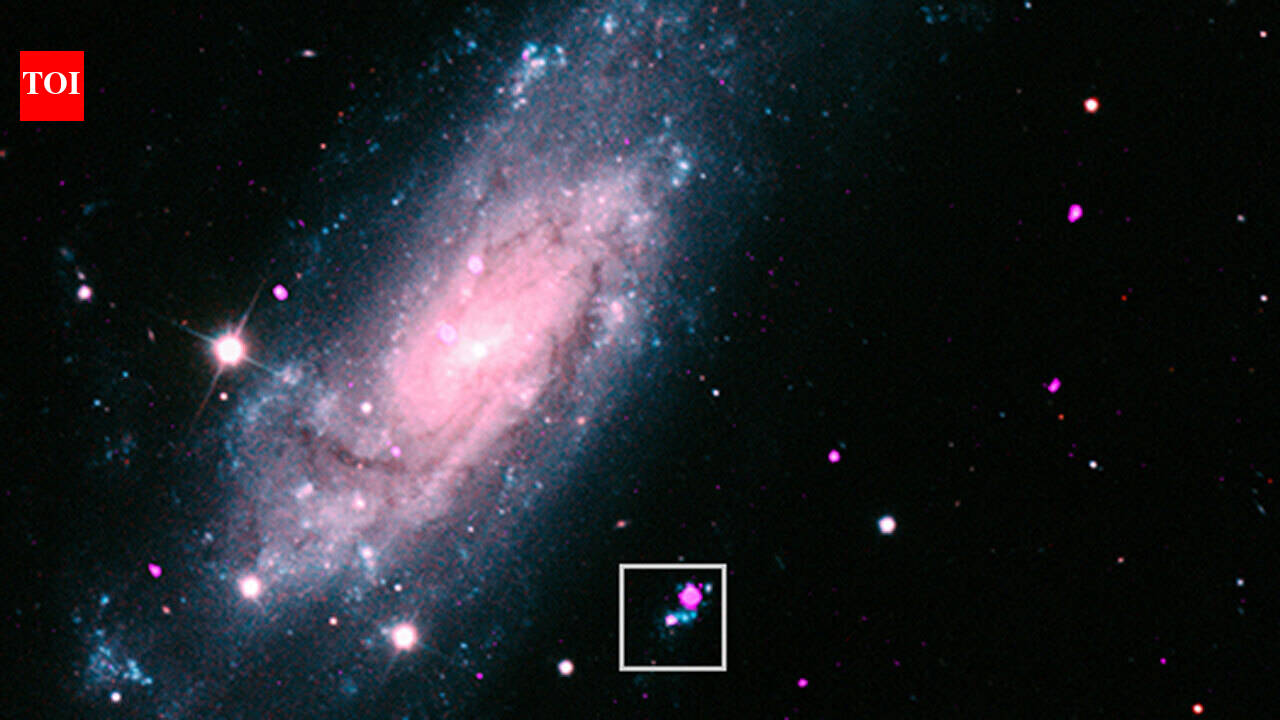
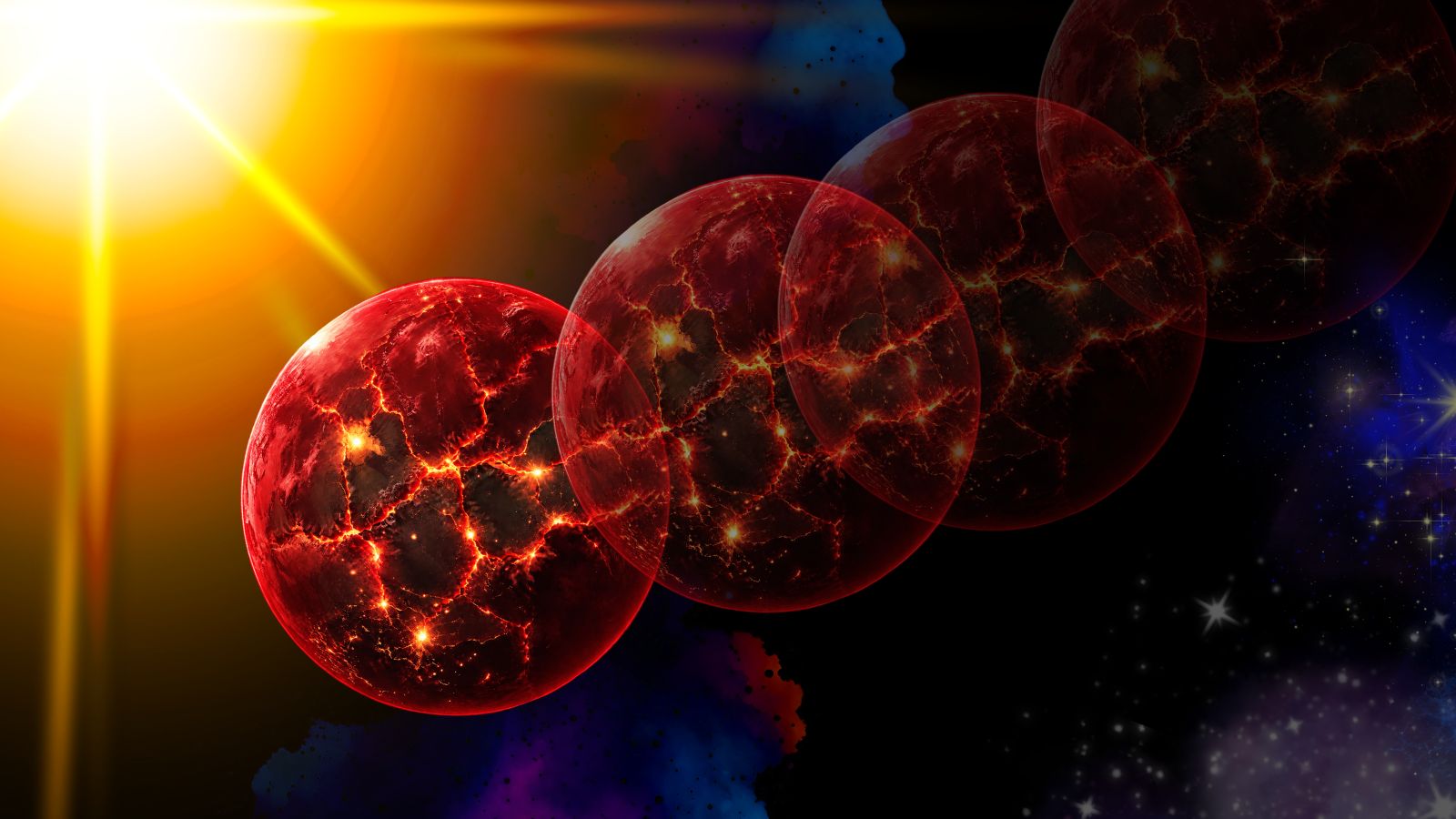
NASA's Chandra X-ray Observatory may have explained AT 2016blu, a star that flares like a supernova repeatedly yet survives. The observations suggest a hidden black hole or neutron star orbiting it is driving the behaviour.
The star, about 30 million light-years away, has produced at least 27 bright outbursts since 2012, roughly one every 113 days. In March 2026 Chandra caught one, with X-rays at least 100 times brighter than before the eruptions began. The companion appears to pull in gas from the star during close passes, and that gas heats up and glows.
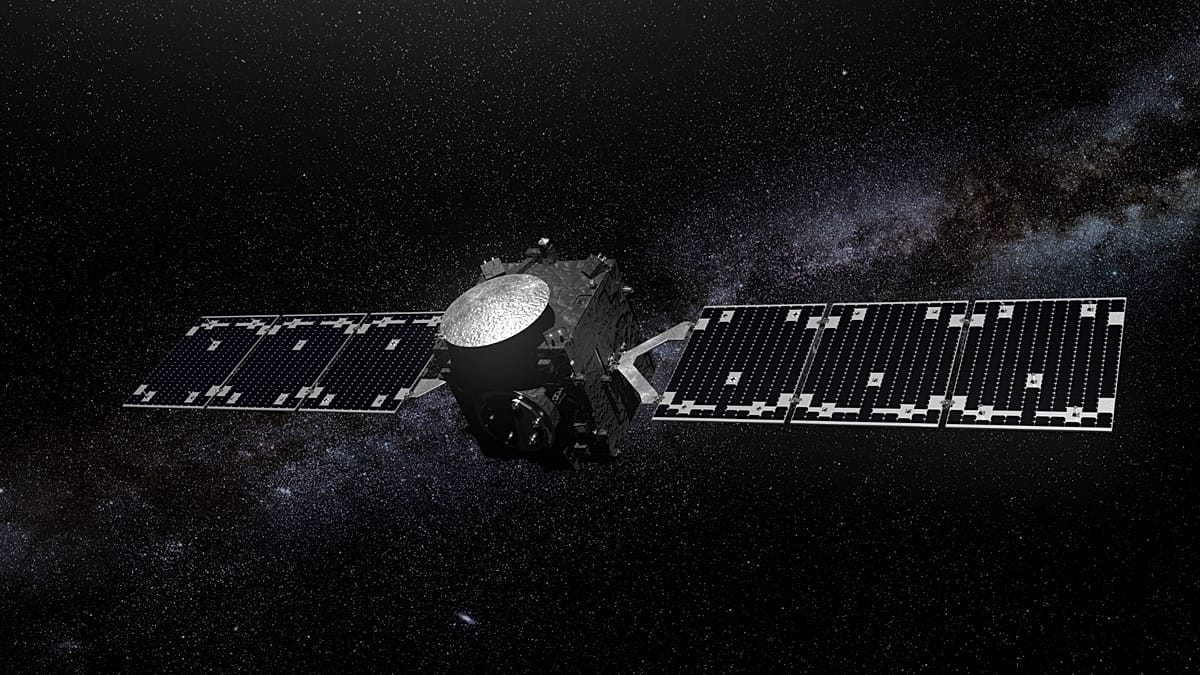
NASA researchers have worked out how the planned LISA space observatory might find planets through gravitational waves. A planet orbiting a pair of white dwarfs would slightly shift the wave pattern that LISA is built to measure.
No planet has been found this way yet, and these are modelling forecasts from a mission still in development, not a detection.
The team puts the number of close white dwarf pairs in our galaxy at roughly 10 million, each orbiting in under an hour. Any candidate would still need other checks, since an odd signal alone cannot prove a planet is there.
Astronomers have worked out why a distant exoplanet seemed to vanish. The planet, TOI-2535 b, sits about 1,000 light-years away, and NASA's TESS telescope tracked it for seven years.
It never actually went anywhere. A hidden neighboring planet is tugging on it while it tugs back, which tilted its orbit out of line with its star and stopped it crossing the star's face in March.
The planet isn't due to pass in front of its star for at least 30 years, though its unseen companion could do so sooner.
NASA is offering up to $1 million in prizes for US students who can propose ideas for a future Moon base. The Moon Base Student Challenge was unveiled November 8 in Florida.
Teams of two to five students, supported by an adult coach, can come from eligible high schools and colleges. Entries span six areas, including energy, construction, life support and astronaut safety.
Registration runs through the NASA STEM Gateway until January 25, 2027, and winners will be named May 6, 2027. Prior engineering experience is not required.
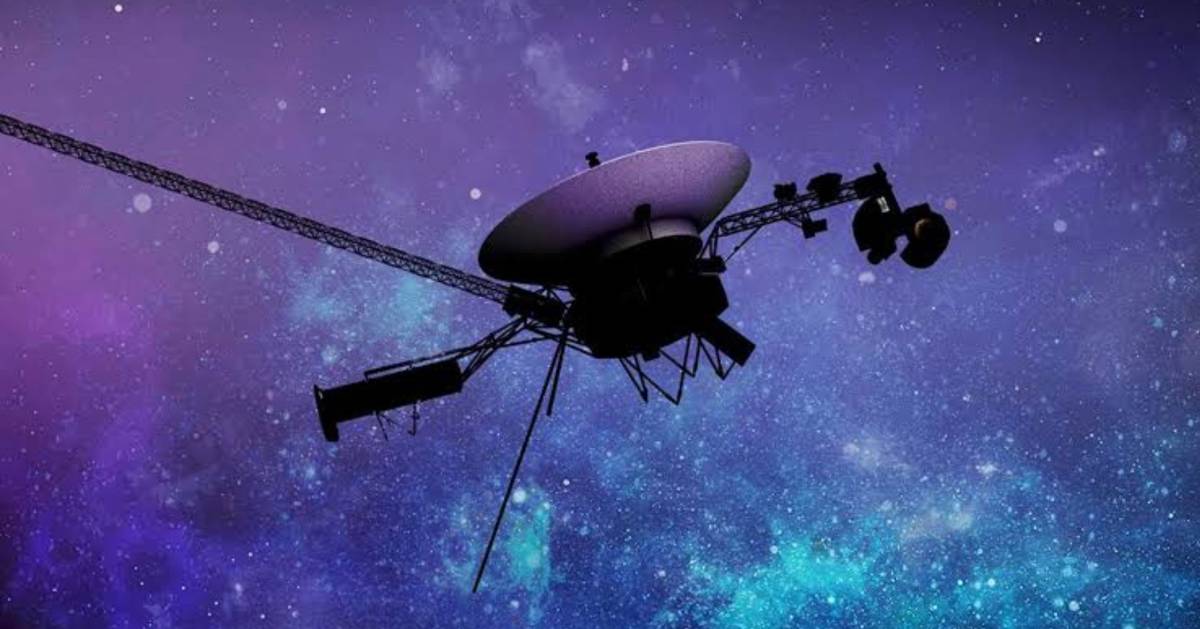
NASA is asking people to flash Morse code at Voyager 1 on November 17, a day before the probe reaches one light-day from Earth. That is the most remote spot any human-built craft has reached.
Any lamp will do, from a flashlight to a phone, and NASA provides a Morse flasher for phones and tablets.
At 5:16 a.m. EST on November 18, Voyager 1 should be about 16.09 billion miles (25.9 billion km) away, so a one-way message would need a full day to arrive. Sharing photos and videos of the flashes is encouraged.
NASA's Swift telescope has burned up on reentry, ending a 22-year mission. It came down over northern Sumatra on Nov. 4, with no injuries or damage reported so far.
Swift was built to chase gamma-ray bursts, among the most powerful explosions in the universe, and its quick turns let astronomers study them before they faded.
Growing solar activity swelled Earth's upper atmosphere, dragging the craft down to about 275 kilometers by Oct. 20. A private rescue by Katalyst Space Technologies stalled when its LINK craft ran into control trouble, and NASA dropped the plan in August.
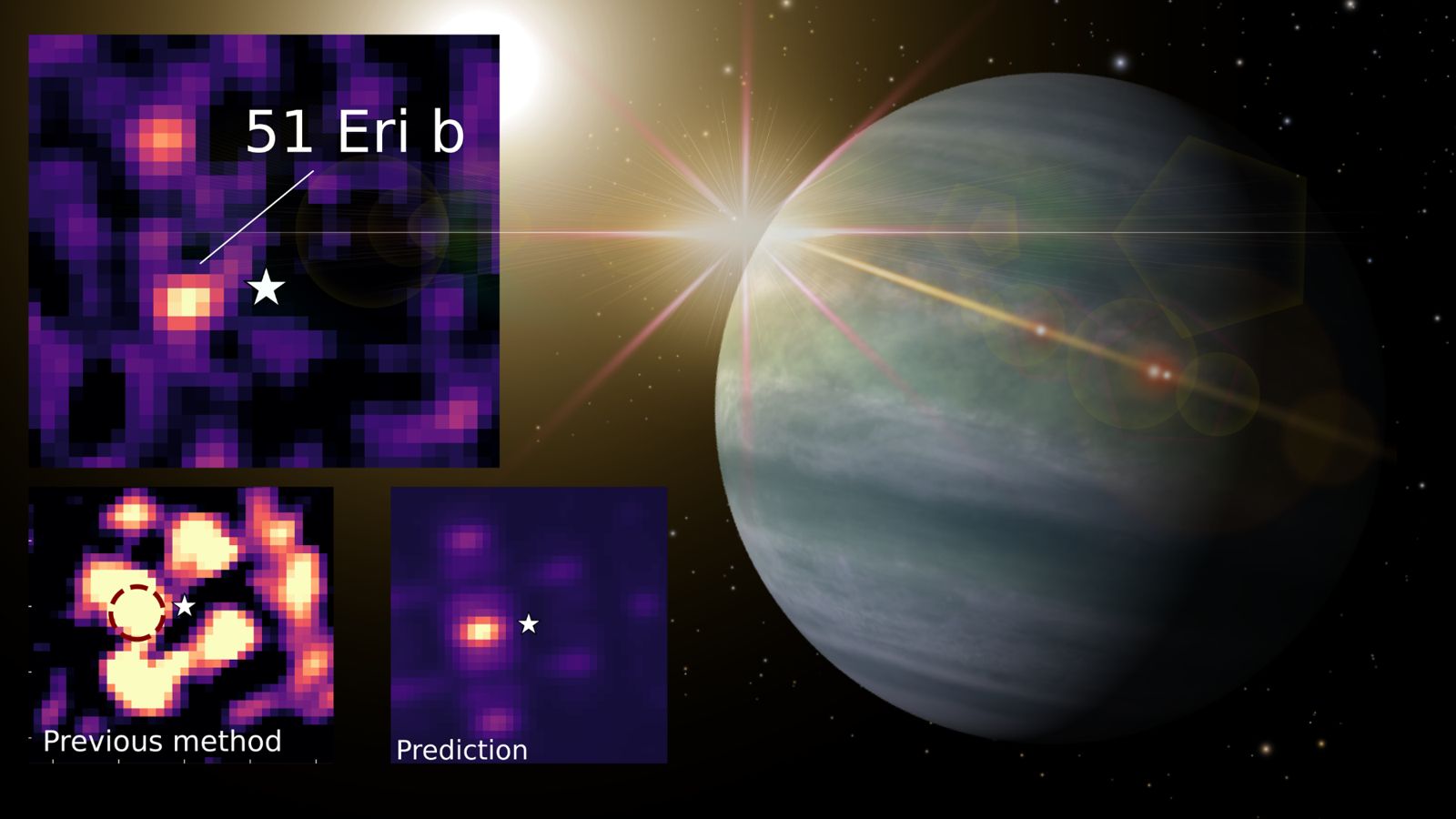
Astronomers have spotted the giant planet 51 Eridani b in James Webb Space Telescope data by filtering out its star's glare. Ground telescopes first detected it in 2015.
The gas giant is about 11 times Jupiter's mass and lies 97 light-years away. A digital twin of the telescope helped strip out leftover glare, and the method picked out faint planets two to 15 times better than standard techniques.
The Northwestern University team published the work in Nature on November 4, and the approach may help NASA's planned Habitable Worlds Observatory.
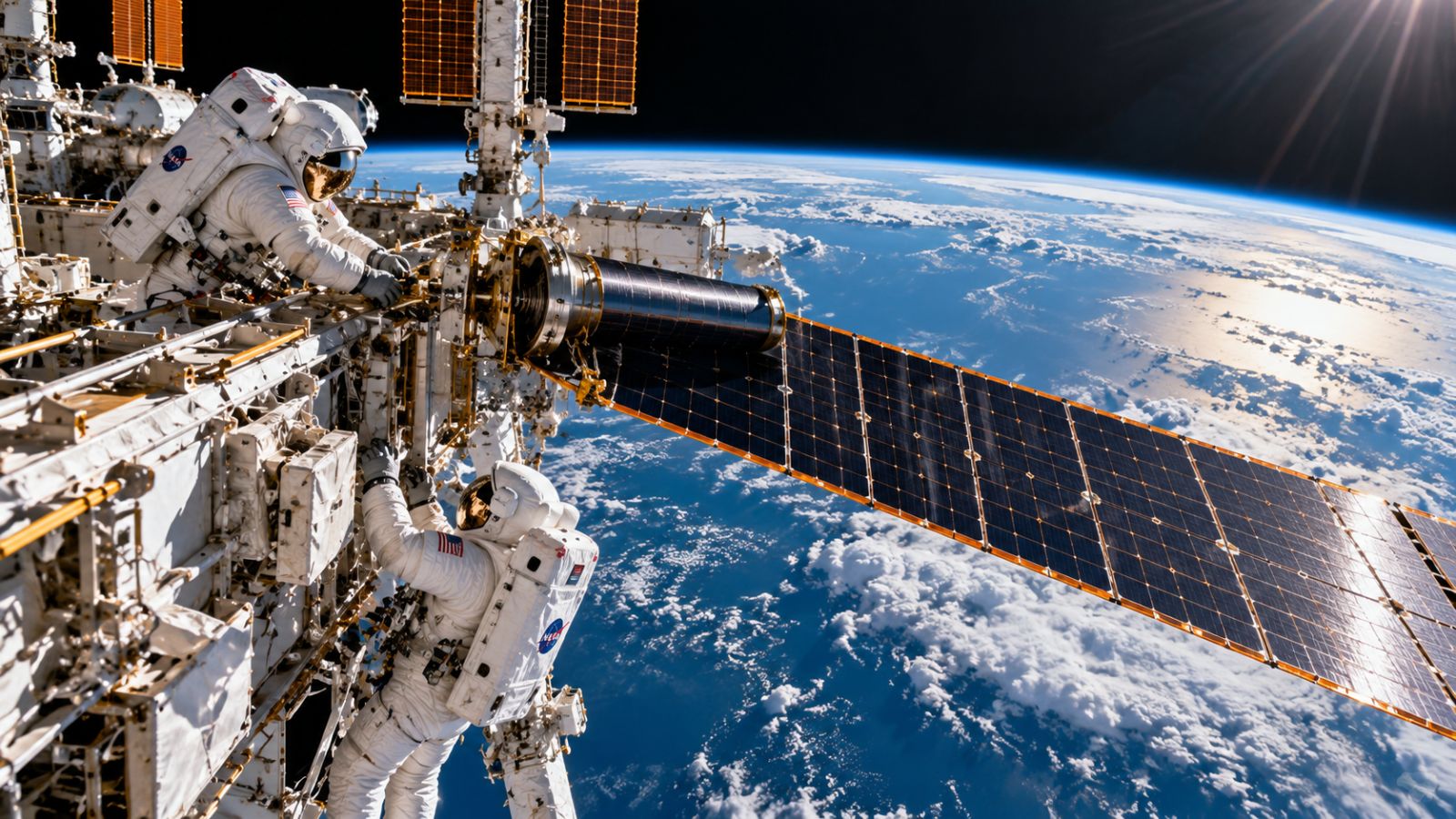
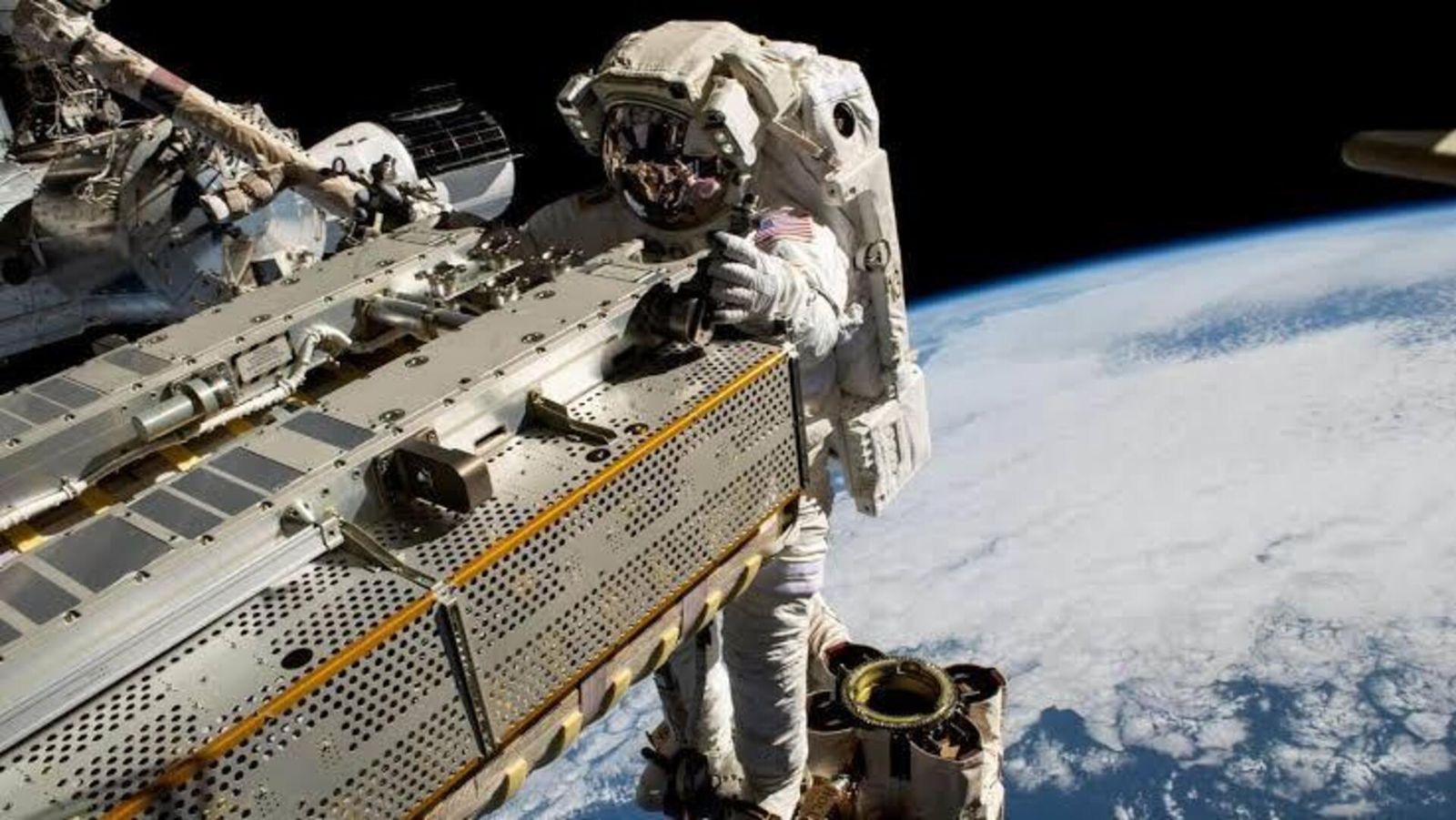
A landmark spacewalk on the International Space Station.
On 29 October, NASA’s Anil Menon and Canada’s Joshua Kutryk spent 7 hours 11 minutes outside the station, installing a new solar array that rolls out to 19 m. It was the 100th US spacewalk from the station without a shuttle docked. The new arrays boost the station’s power by 20–30%.
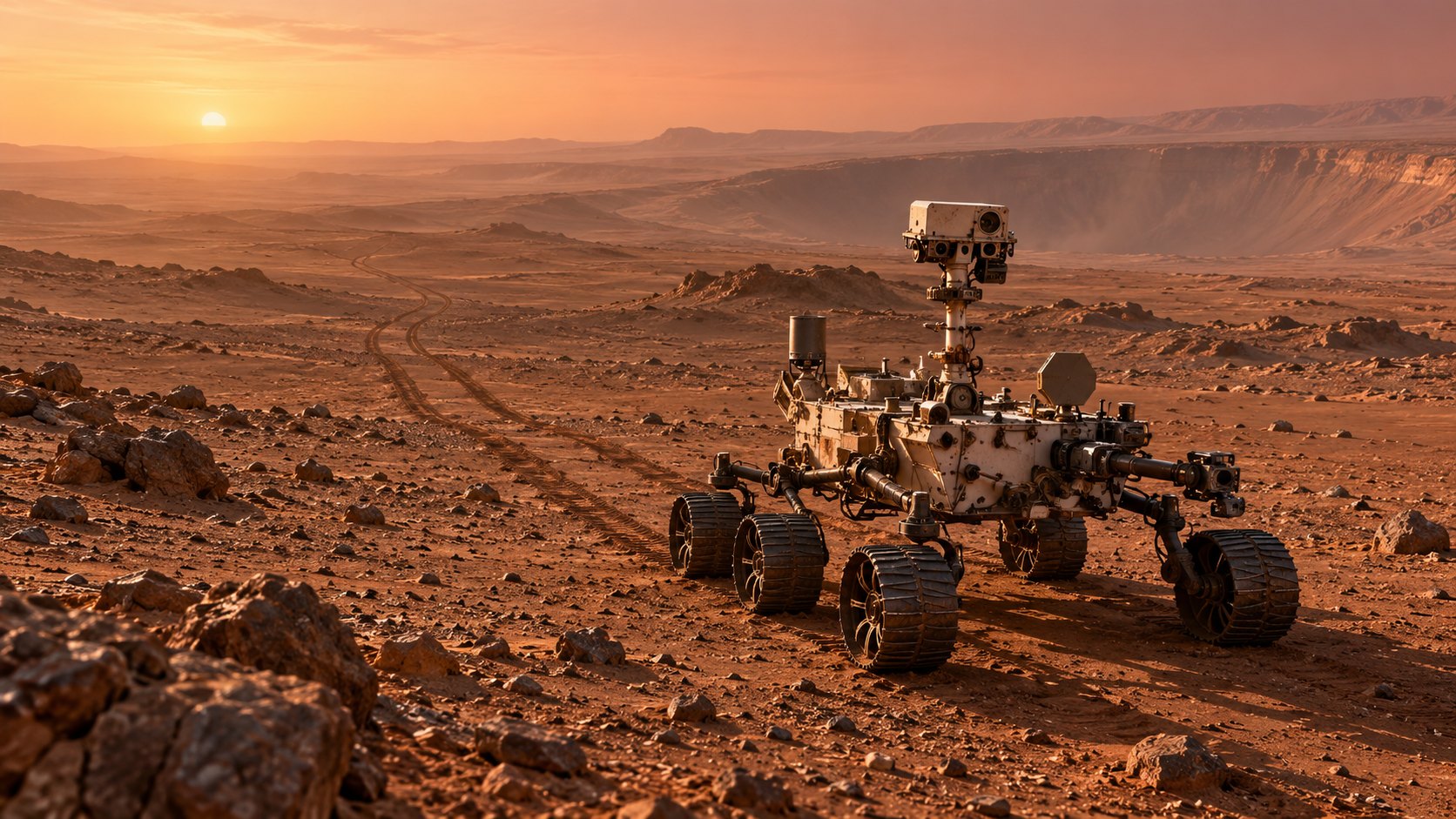
On 11 October, NASA's Perseverance rover passed 45.22 km on Mars, beating the 45.16 km set by Opportunity, which drove from 2004 to 2018. It's now exploring some of the oldest rocks in the solar system, just west of Jezero Crater.
 Astronomy Today@astronomytoday
 Science Channel