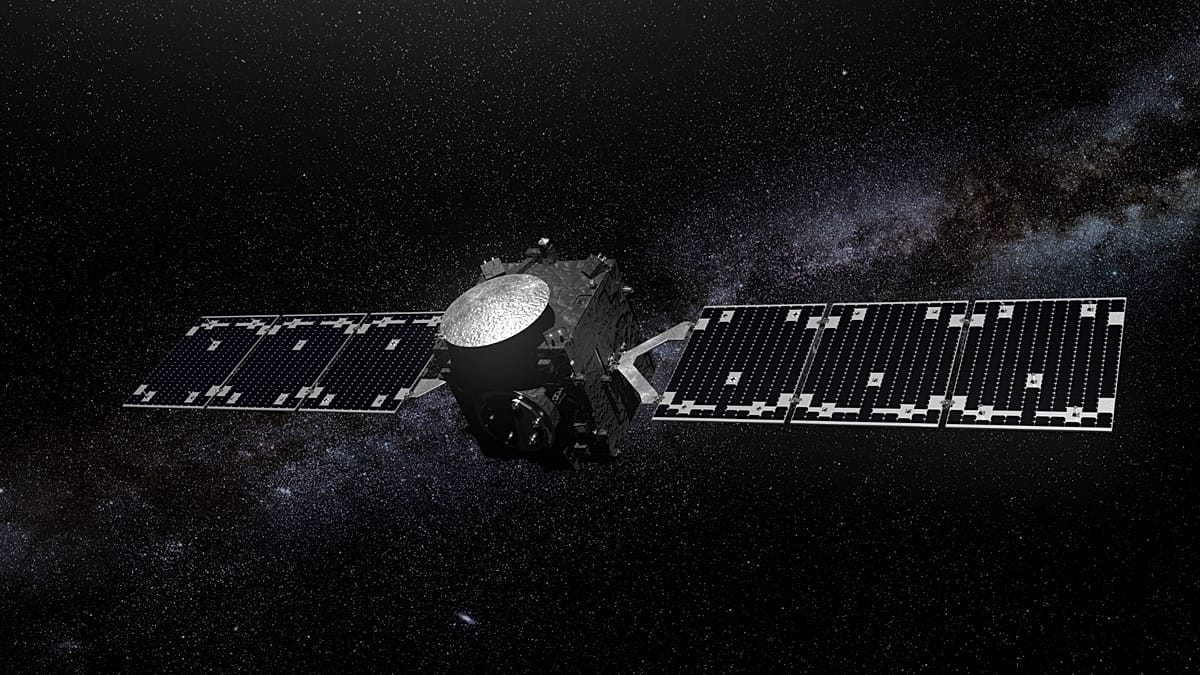
NASA researchers have worked out how the planned LISA space observatory might find planets through gravitational waves. A planet orbiting a pair of white dwarfs would slightly shift the wave pattern that LISA is built to measure.
No planet has been found this way yet, and these are modelling forecasts from a mission still in development, not a detection.
The team puts the number of close white dwarf pairs in our galaxy at roughly 10 million, each orbiting in under an hour. Any candidate would still need other checks, since an odd signal alone cannot prove a planet is there.
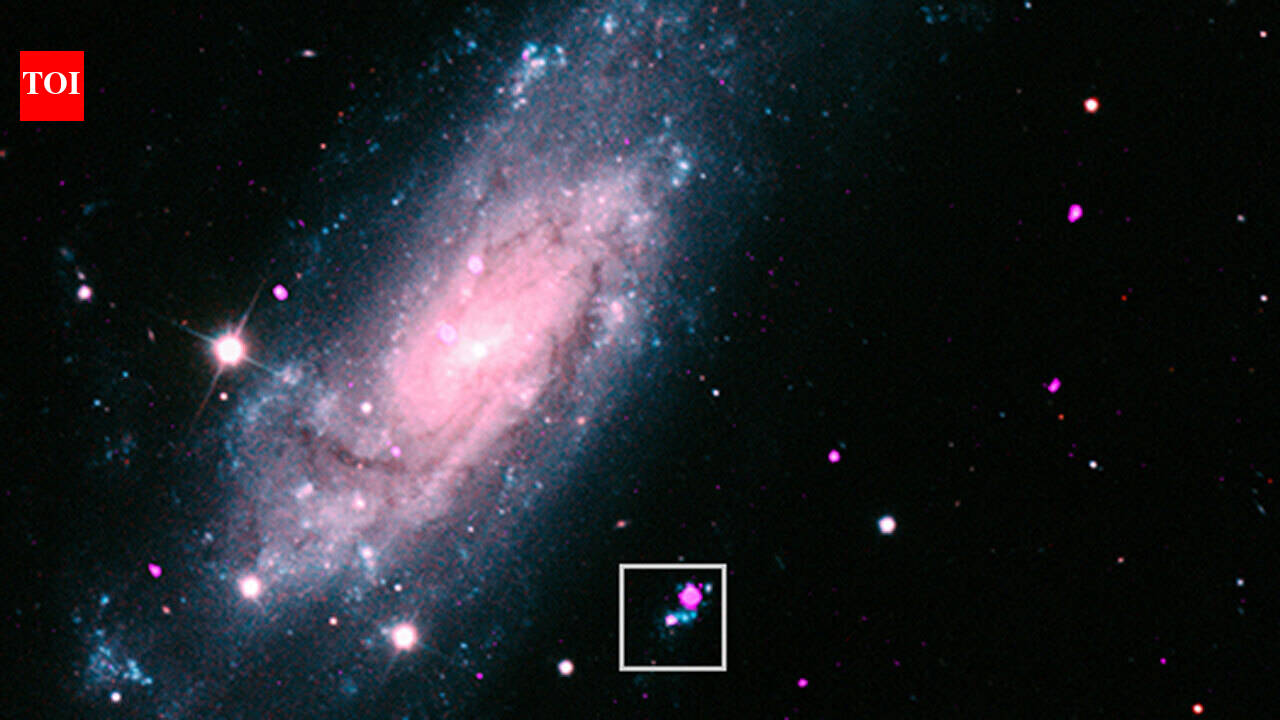
NASA's Chandra X-ray Observatory may have explained AT 2016blu, a star that flares like a supernova repeatedly yet survives. The observations suggest a hidden black hole or neutron star orbiting it is driving the behaviour.
The star, about 30 million light-years away, has produced at least 27 bright outbursts since 2012, roughly one every 113 days. In March 2026 Chandra caught one, with X-rays at least 100 times brighter than before the eruptions began. The companion appears to pull in gas from the star during close passes, and that gas heats up and glows.
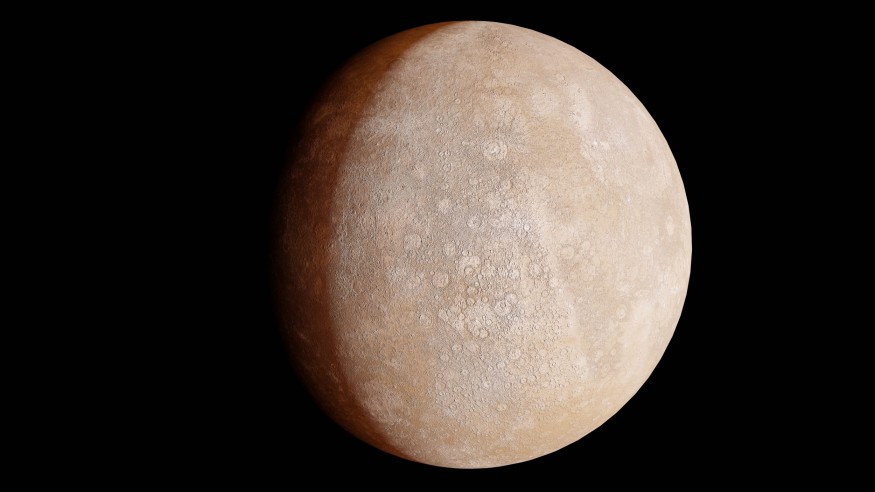
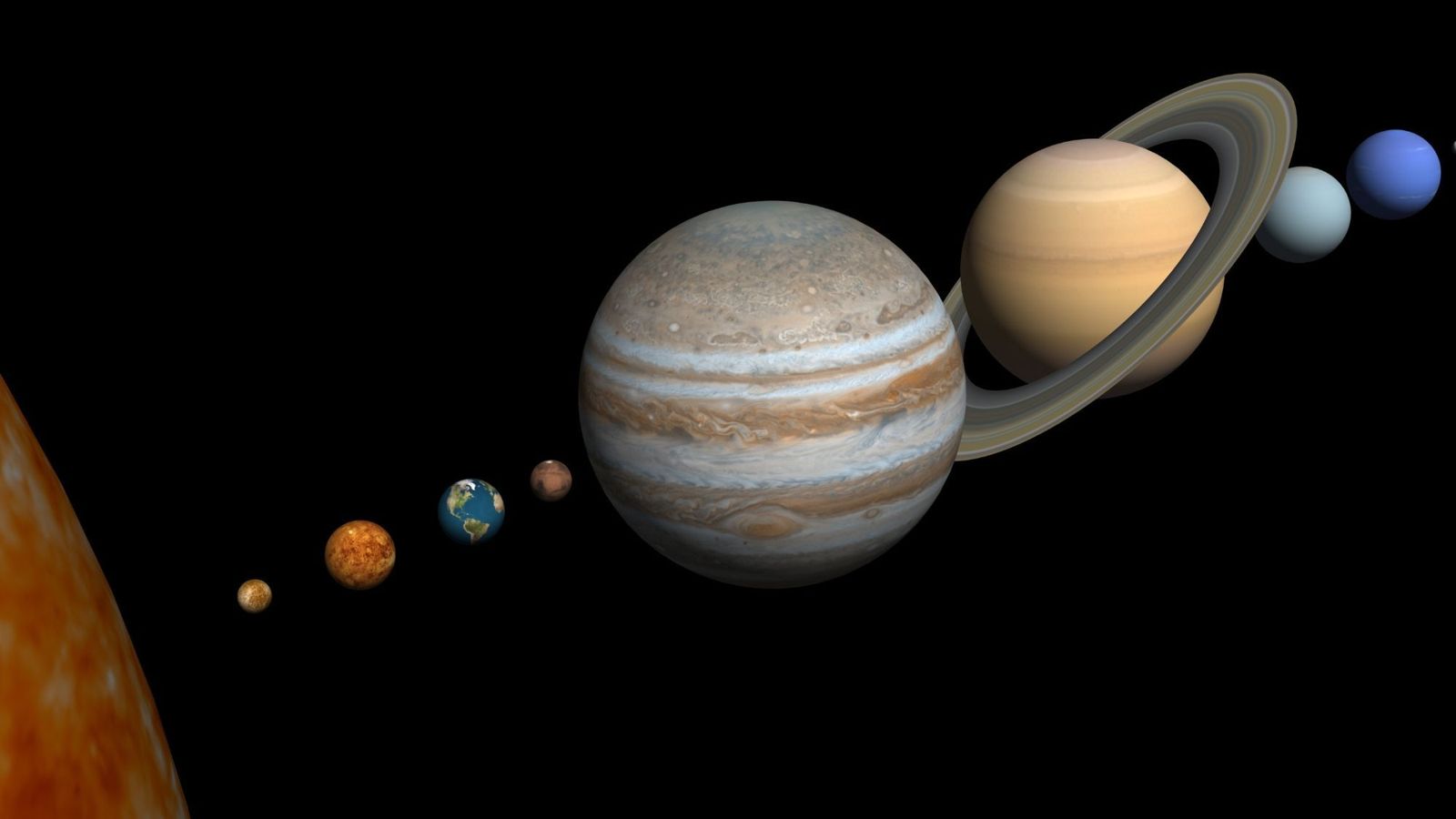
Astronomers have found a large object beyond Neptune that moves around the Sun in the opposite direction to almost everything else in our solar system.
Called R631 for now, it is about 62 miles wide and lies roughly 3 billion miles away, taking around 548 years to complete one orbit.
It may be a comet that starts releasing gas at its closest approach to the Sun in 2047. It may have come from another star system, or been flung onto this path by Neptune or Jupiter. Researchers will keep watching it, though answers may be a while off.
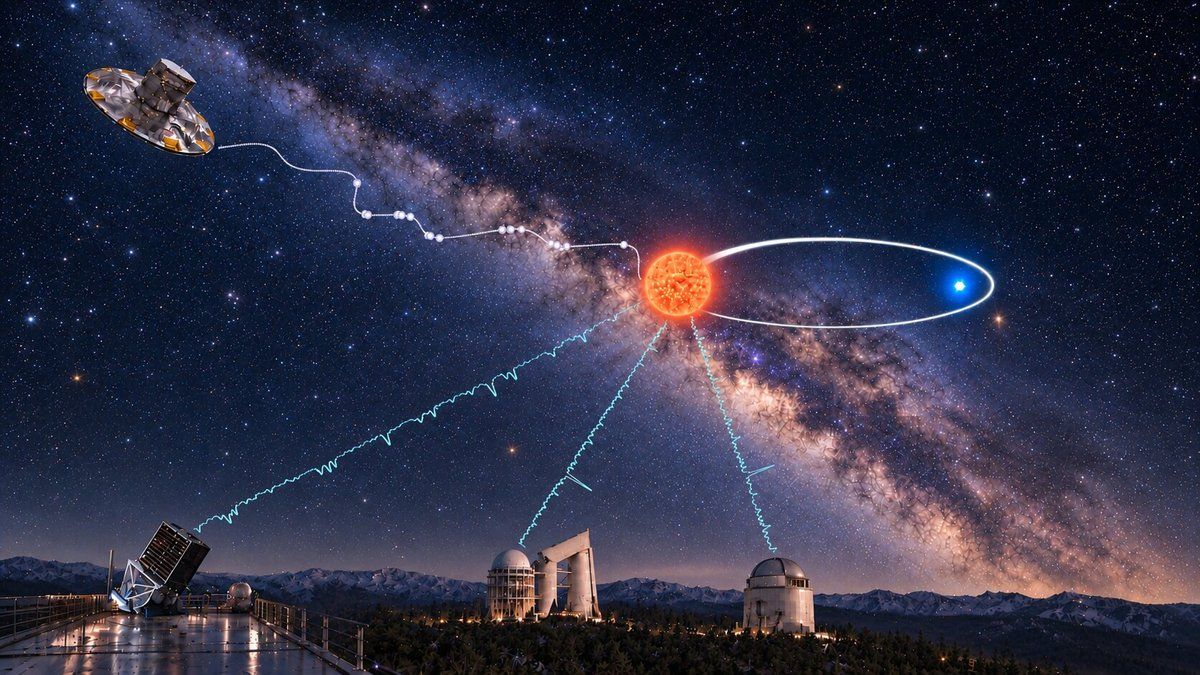
Astronomers may have found a neutron star that is heavier than expected. It can't be seen directly, but its pull makes a red giant in a binary system sway back and forth. The system lies thousands of light-years away in the Pisces constellation.
Researchers from several Chinese universities and observatories used data from LAMOST, APOGEE and the retired Gaia space observatory to study it. They estimate the hidden object weighs about 2.2 times the mass of the sun, with a range of 1.8 to 2.8, while most neutron stars are around 1.4.
It's still unclear where the extra mass came from.
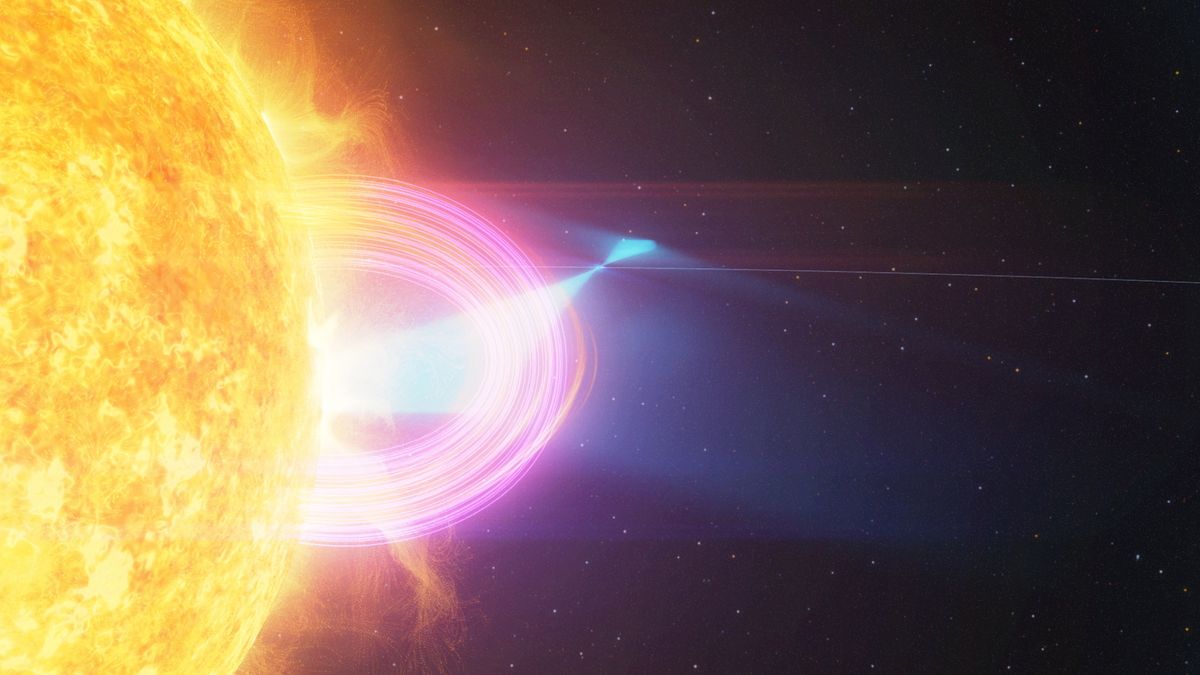
Astronomers in Australia have linked a star system 5,000 light-years away to radio pulses arriving every eight minutes. It pairs a white dwarf, the leftover core of a burnt-out star, with a star much like ours.
It is the first time such pulses have been traced to a white dwarf orbiting a star like the Sun. The pulses also revealed flares on the companion, the kind that create auroras on Earth.
The Murchison Widefield Array and MeerKAT telescopes located the system, and Hawaii's Keck Observatory confirmed the companion star.