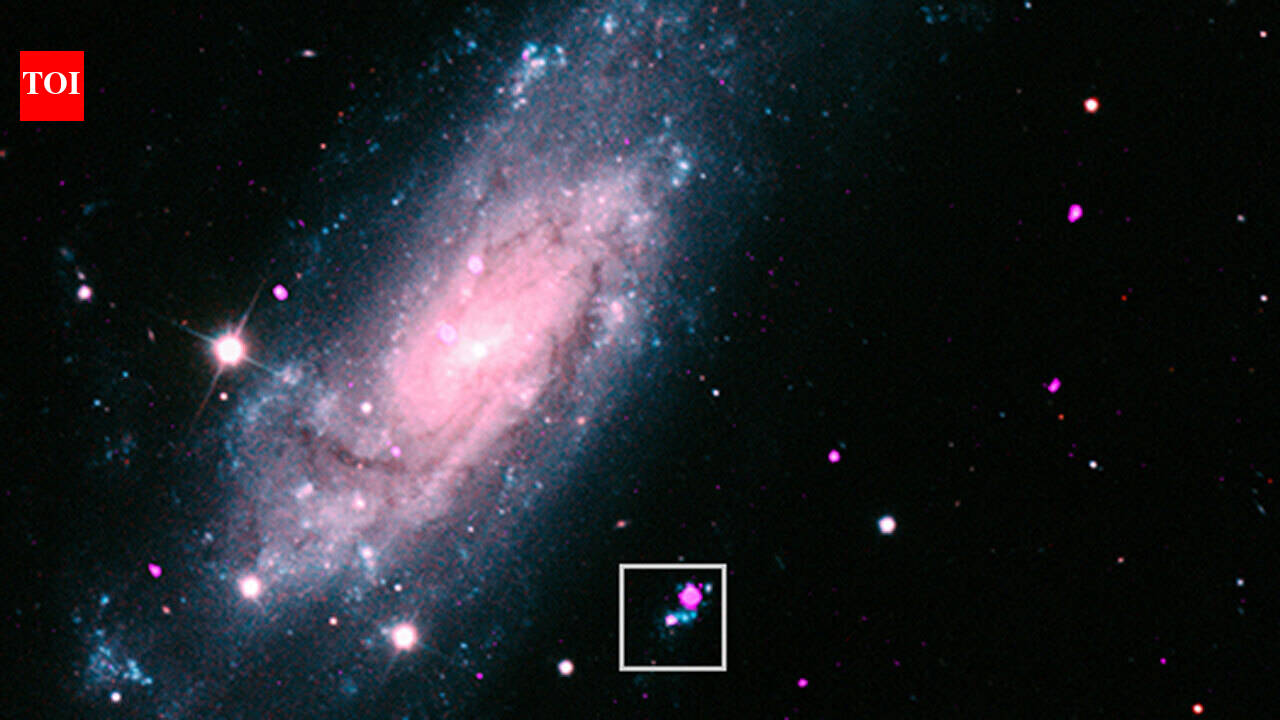
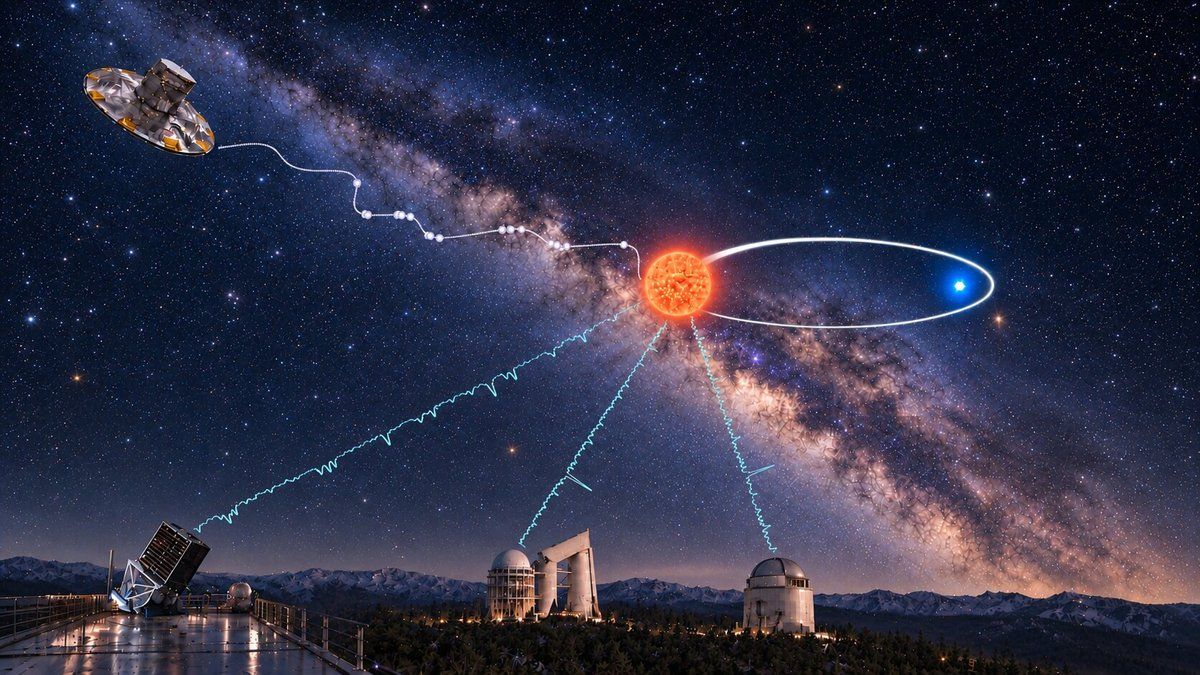
NASA's Chandra X-ray Observatory may have explained AT 2016blu, a star that flares like a supernova repeatedly yet survives. The observations suggest a hidden black hole or neutron star orbiting it is driving the behaviour.
The star, about 30 million light-years away, has produced at least 27 bright outbursts since 2012, roughly one every 113 days. In March 2026 Chandra caught one, with X-rays at least 100 times brighter than before the eruptions began. The companion appears to pull in gas from the star during close passes, and that gas heats up and glows.
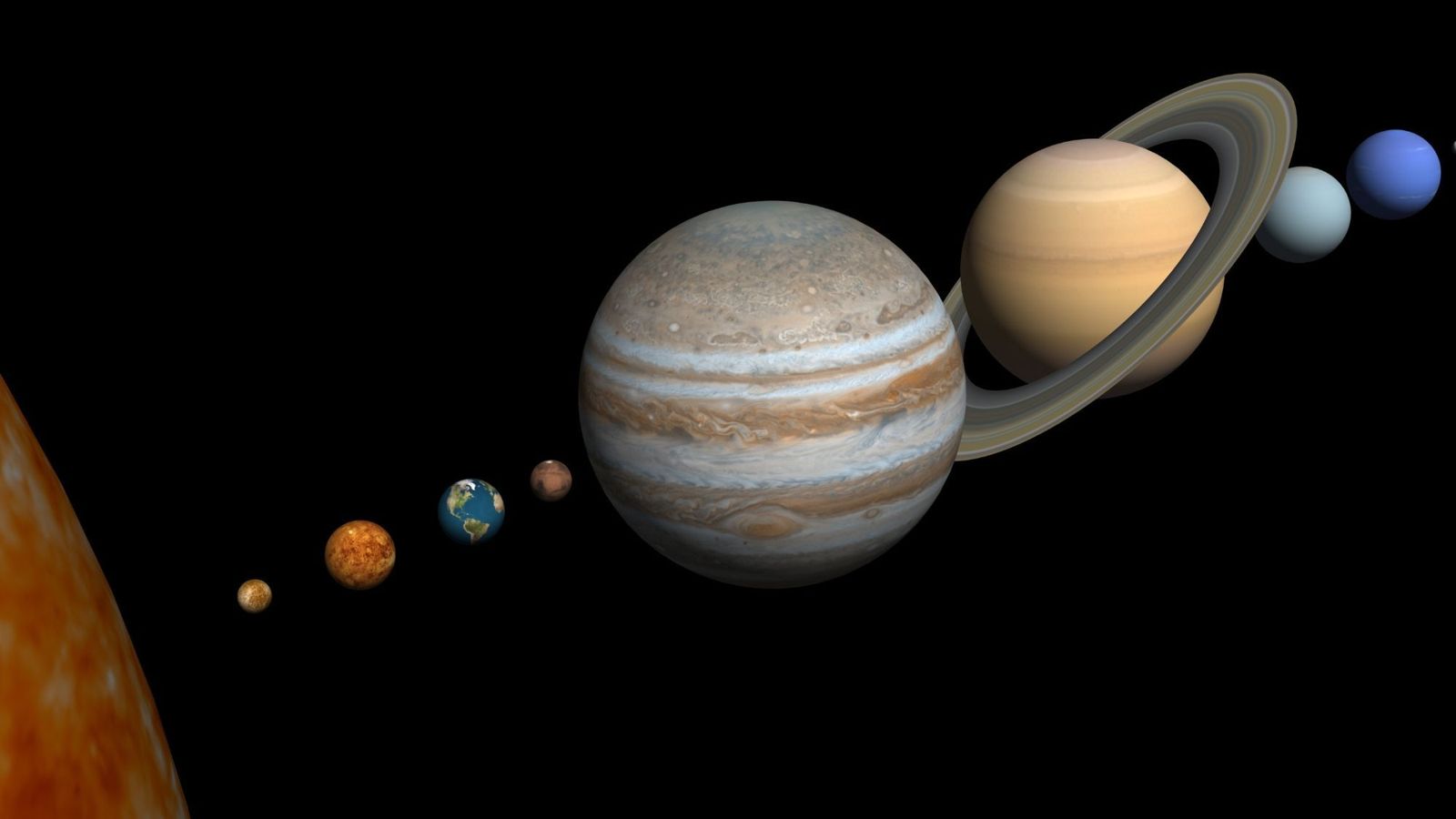
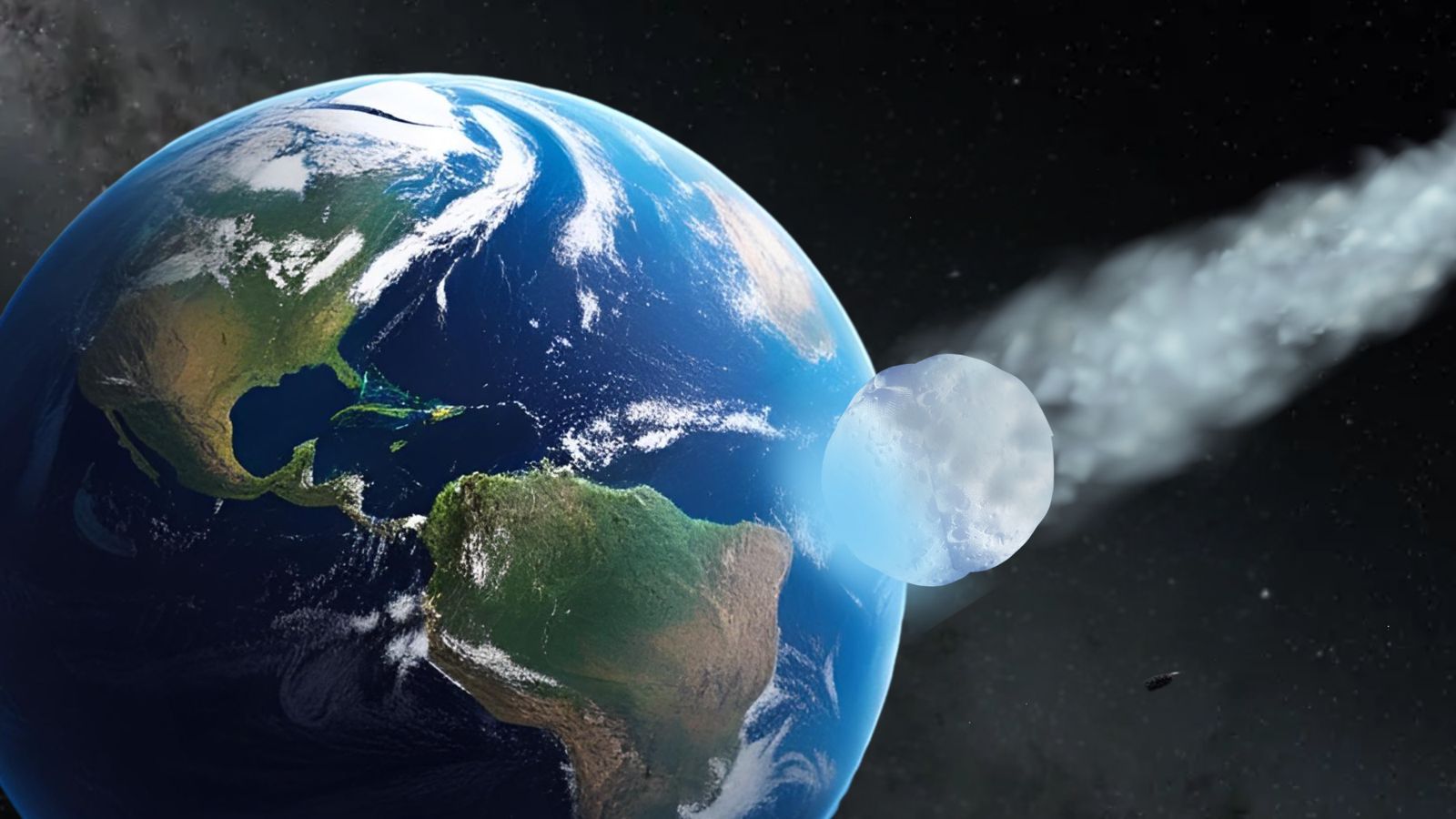
Astronomers have found a large object beyond Neptune that moves around the Sun in the opposite direction to almost everything else in our solar system.
Called R631 for now, it is about 62 miles wide and lies roughly 3 billion miles away, taking around 548 years to complete one orbit.
It may be a comet that starts releasing gas at its closest approach to the Sun in 2047. It may have come from another star system, or been flung onto this path by Neptune or Jupiter. Researchers will keep watching it, though answers may be a while off.
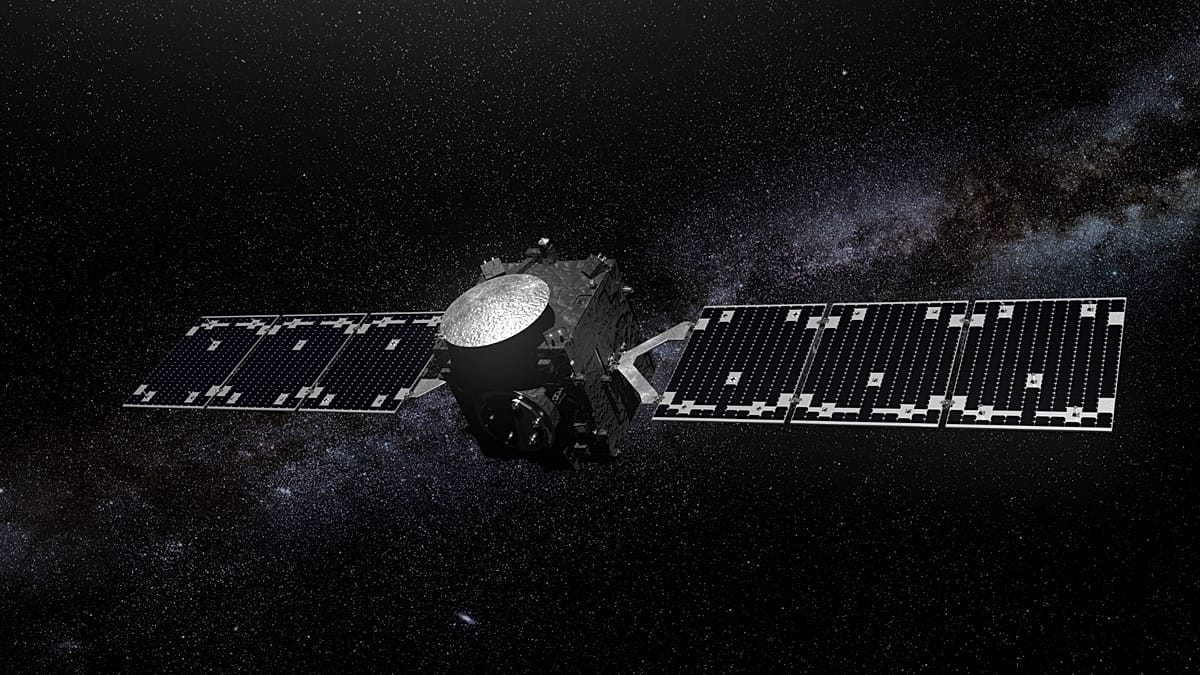
NASA researchers have worked out how the planned LISA space observatory might find planets through gravitational waves. A planet orbiting a pair of white dwarfs would slightly shift the wave pattern that LISA is built to measure.
No planet has been found this way yet, and these are modelling forecasts from a mission still in development, not a detection.
The team puts the number of close white dwarf pairs in our galaxy at roughly 10 million, each orbiting in under an hour. Any candidate would still need other checks, since an odd signal alone cannot prove a planet is there.
Astronomers may have found a neutron star that is heavier than expected. It can't be seen directly, but its pull makes a red giant in a binary system sway back and forth. The system lies thousands of light-years away in the Pisces constellation.
Researchers from several Chinese universities and observatories used data from LAMOST, APOGEE and the retired Gaia space observatory to study it. They estimate the hidden object weighs about 2.2 times the mass of the sun, with a range of 1.8 to 2.8, while most neutron stars are around 1.4.
It's still unclear where the extra mass came from.
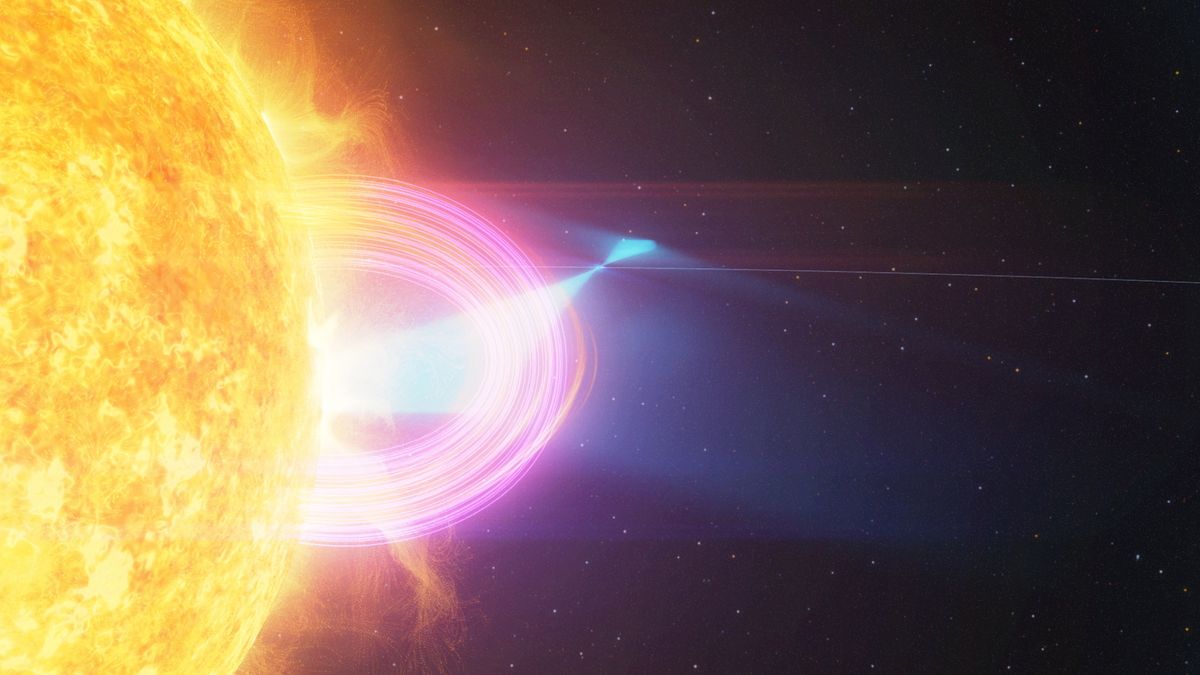
Astronomers in Australia have linked a star system 5,000 light-years away to radio pulses arriving every eight minutes. It pairs a white dwarf, the leftover core of a burnt-out star, with a star much like ours.
It is the first time such pulses have been traced to a white dwarf orbiting a star like the Sun. The pulses also revealed flares on the companion, the kind that create auroras on Earth.
The Murchison Widefield Array and MeerKAT telescopes located the system, and Hawaii's Keck Observatory confirmed the companion star.
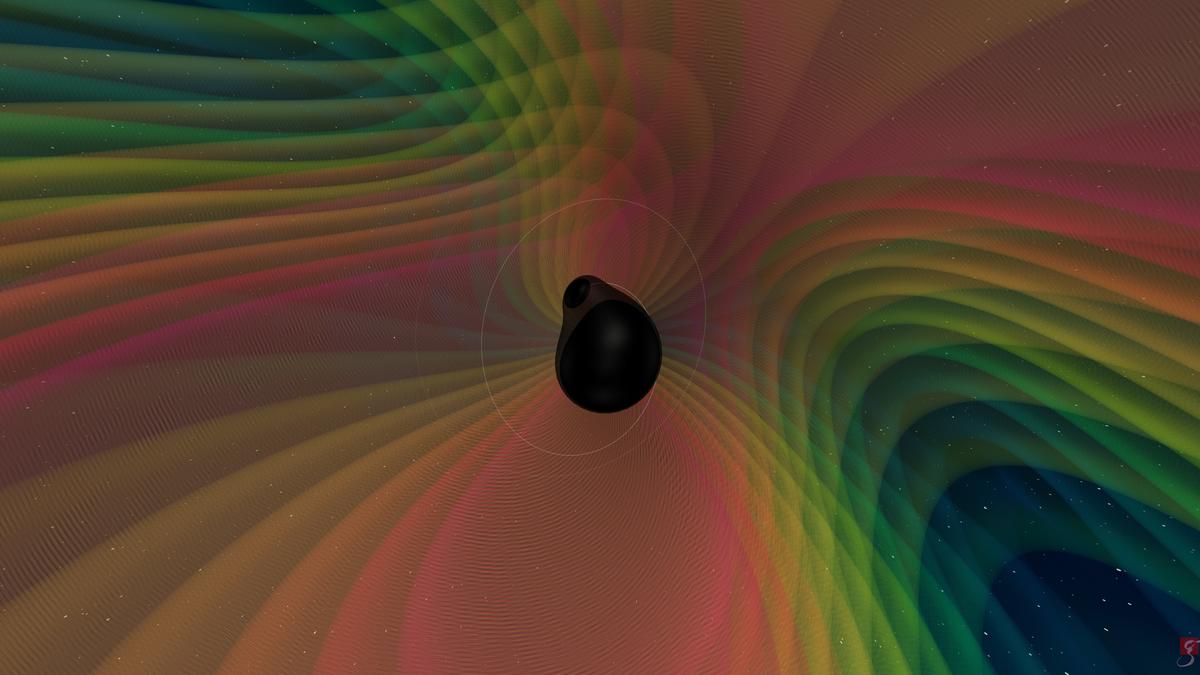
Gravitational-wave astronomy is moving into a new stage, where researchers can study many black hole mergers at once. In January 2025, two LIGO observatories in the US picked up a signal from two black holes merging about 1.3 billion light-years away.
The black holes weighed roughly 34 and 32 times as much as the Sun. The signal, called GW250114, is the clearest the LIGO team has recorded so far.
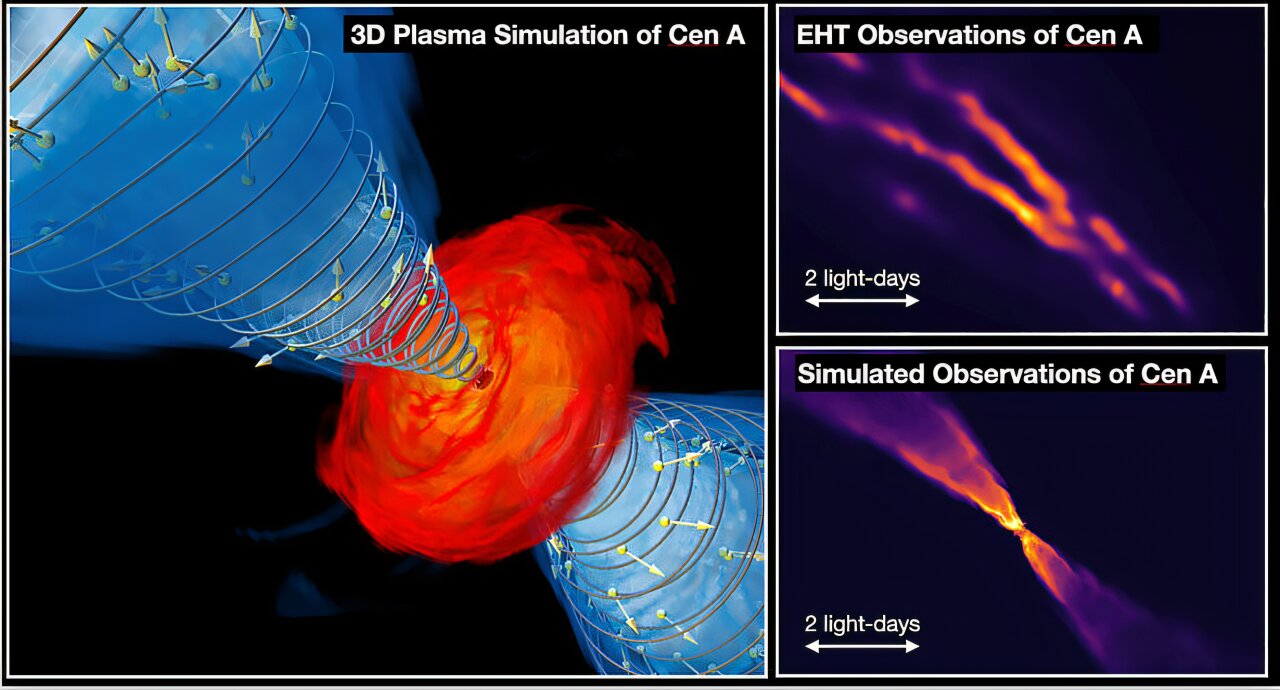
Computer simulations of plasma now explain why the twin jets from the black hole in Centaurus A, about 12 million light-years away, shine brighter along their edges than in the middle.
A team at Würzburg University has now found the explanation.
New modeling led by Richard Anslow of the University of Cambridge suggests comets were probably not the source of the complex molecules life depends on. Most comets hit too fast and at too steep an angle for these molecules to survive.
Survival would have needed impacts below about 33,500 mph (15 km/s), and the rare survivors would have been too scarce to seed early chemistry.
Researchers are increasingly looking at asteroids instead, since a sample from Bennu that OSIRIS-REx brought back contained all the building blocks of RNA.
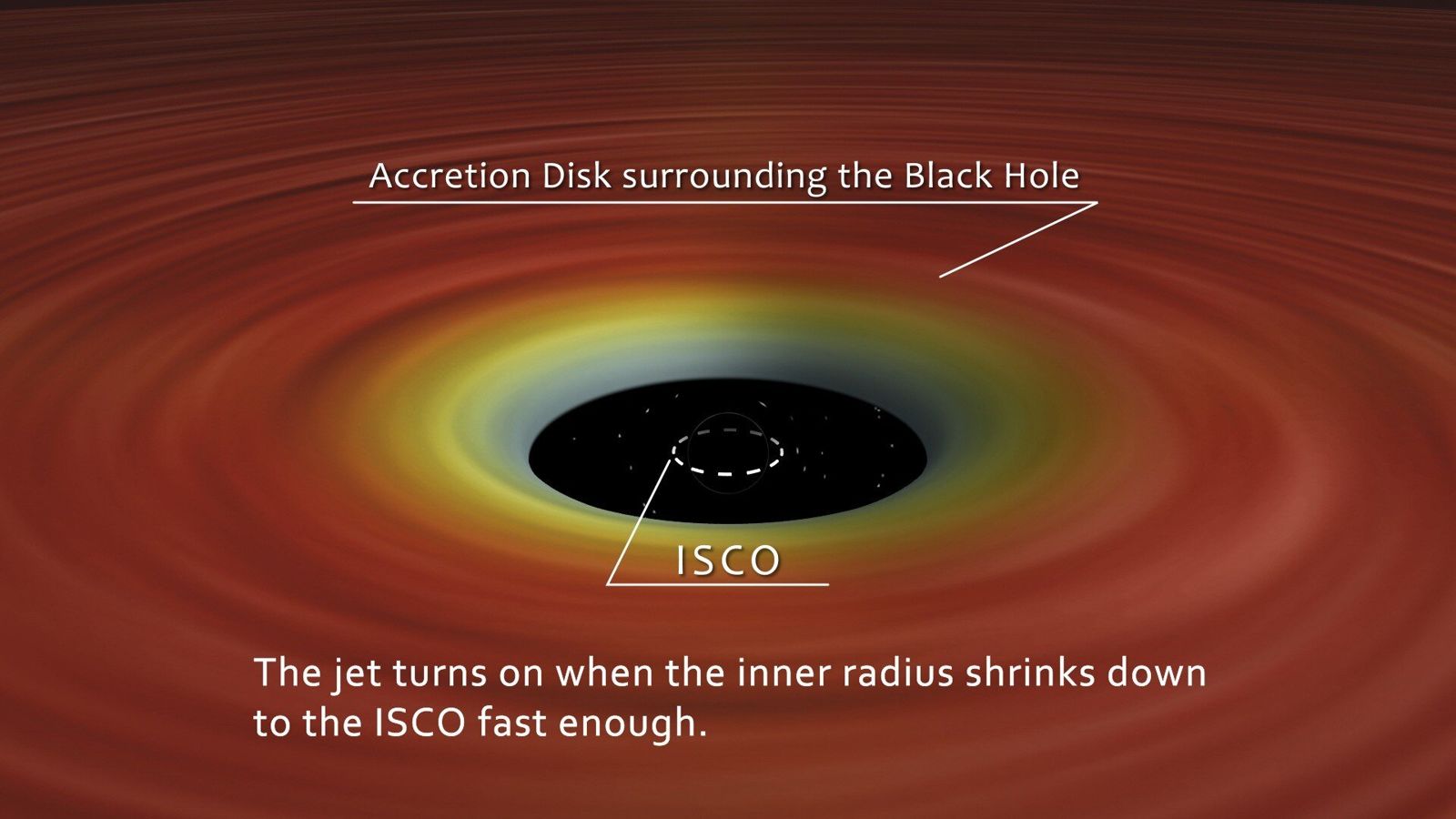
Japanese researchers analyzed X-ray data from four black hole binary systems and found that a drop in the accretion disk's inner edge and shifting X-ray variability may precede jet ejections.
This could help astronomers forecast jets more accurately.
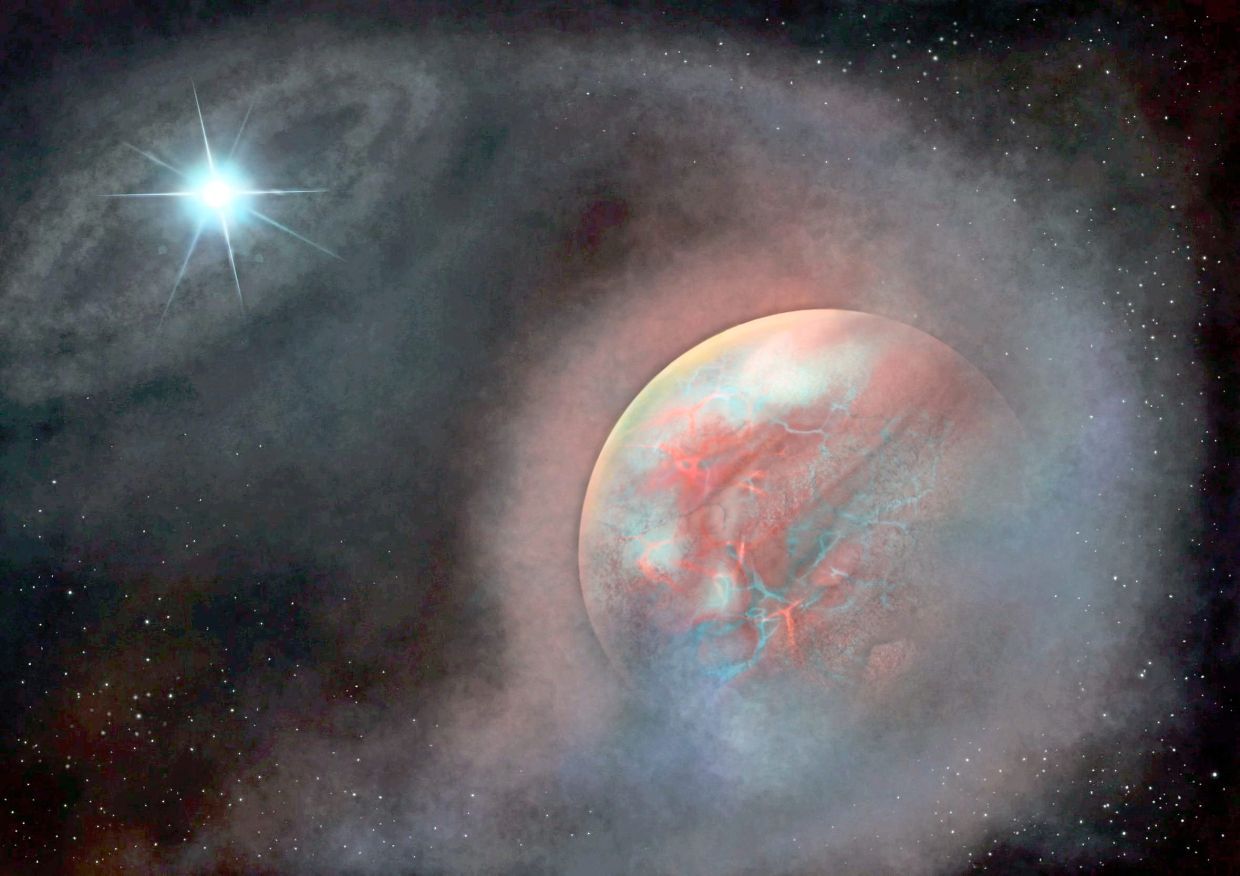
Astronomers say they found a gas giant born from the debris of a dying star, a so-called phoenix planet. It may be a little heavier than Jupiter and orbits a white dwarf about 250 light years away.
Unlike Earth, it came from material a dying star had thrown off, and its chemistry, heavy with niobium, copper and zinc, backs that up. It orbits every 4.4 days, so close that the white dwarf's ultraviolet light is evaporating its outer atmosphere.
Lead author Jamie Williams hopes the James Webb Space Telescope will confirm the findings, which relied on Hubble, TESS and FUSE data.
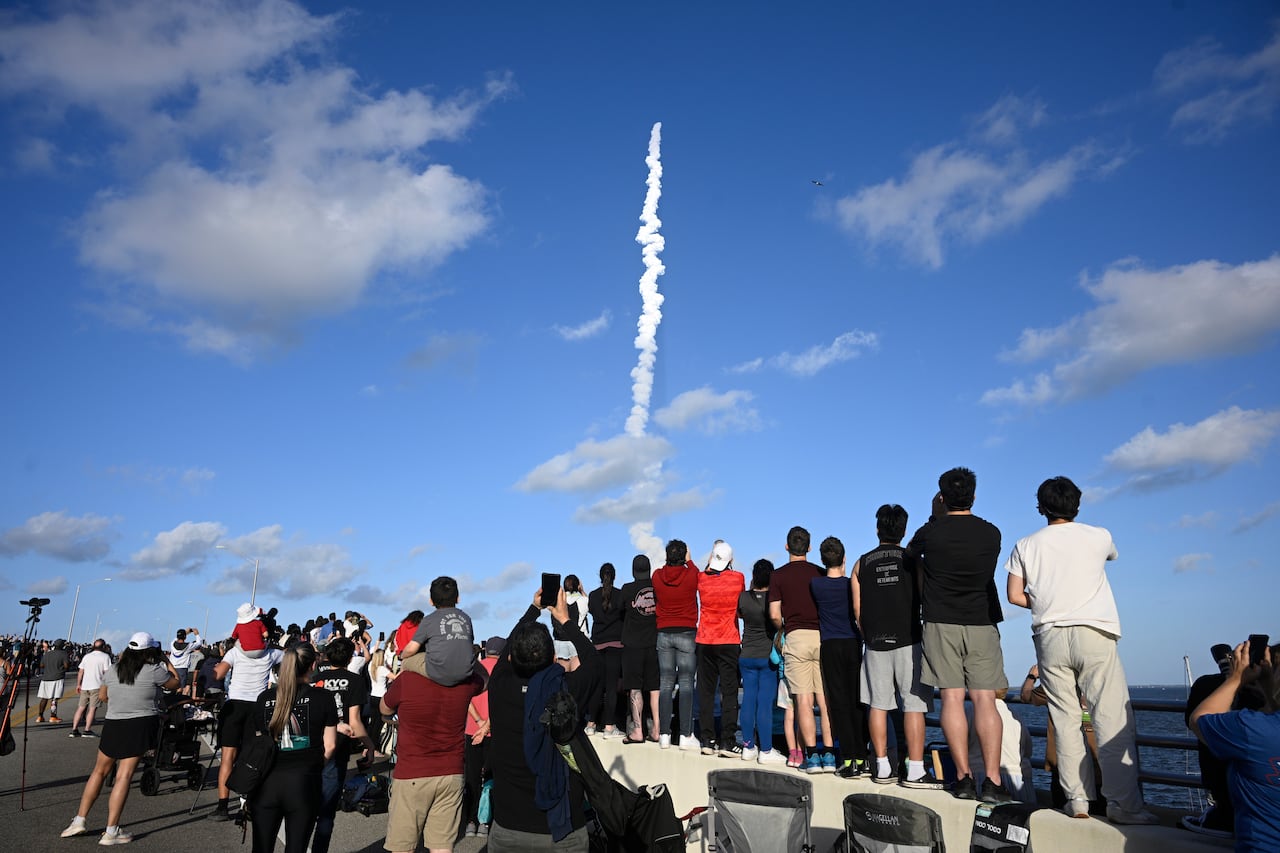
SpaceX has a string of Falcon 9 launches lined up for November. One mission already flew last Friday, and the next is set for Nov. 11, with three more planned after it.
Kalshi, a prediction market, puts the odds of more than seven November launches at 87%, and the odds of more than eight at 52%.
October saw nine SpaceX launches and September saw eight. The company will let the public know if more missions are added as the holidays near.
Astronomers have worked out why a distant exoplanet seemed to vanish. The planet, TOI-2535 b, sits about 1,000 light-years away, and NASA's TESS telescope tracked it for seven years.
It never actually went anywhere. A hidden neighboring planet is tugging on it while it tugs back, which tilted its orbit out of line with its star and stopped it crossing the star's face in March.
The planet isn't due to pass in front of its star for at least 30 years, though its unseen companion could do so sooner.
NASA is offering up to $1 million in prizes for US students who can propose ideas for a future Moon base. The Moon Base Student Challenge was unveiled November 8 in Florida.
Teams of two to five students, supported by an adult coach, can come from eligible high schools and colleges. Entries span six areas, including energy, construction, life support and astronaut safety.
Registration runs through the NASA STEM Gateway until January 25, 2027, and winners will be named May 6, 2027. Prior engineering experience is not required.
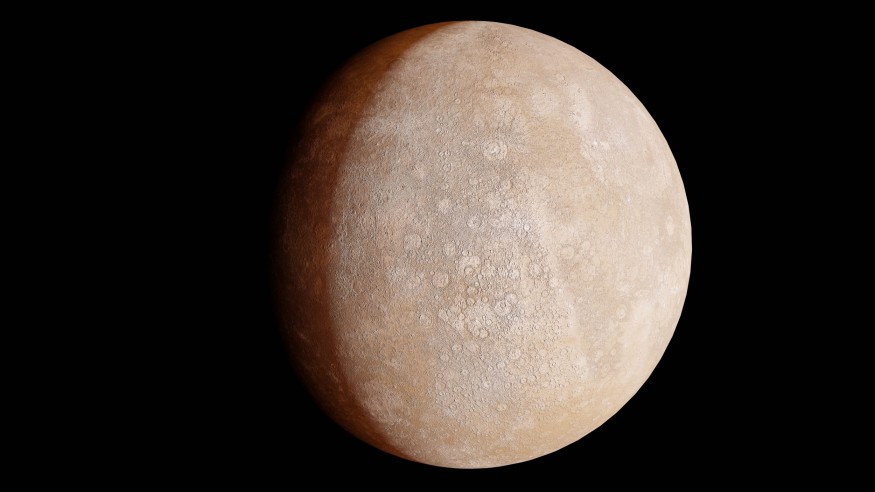
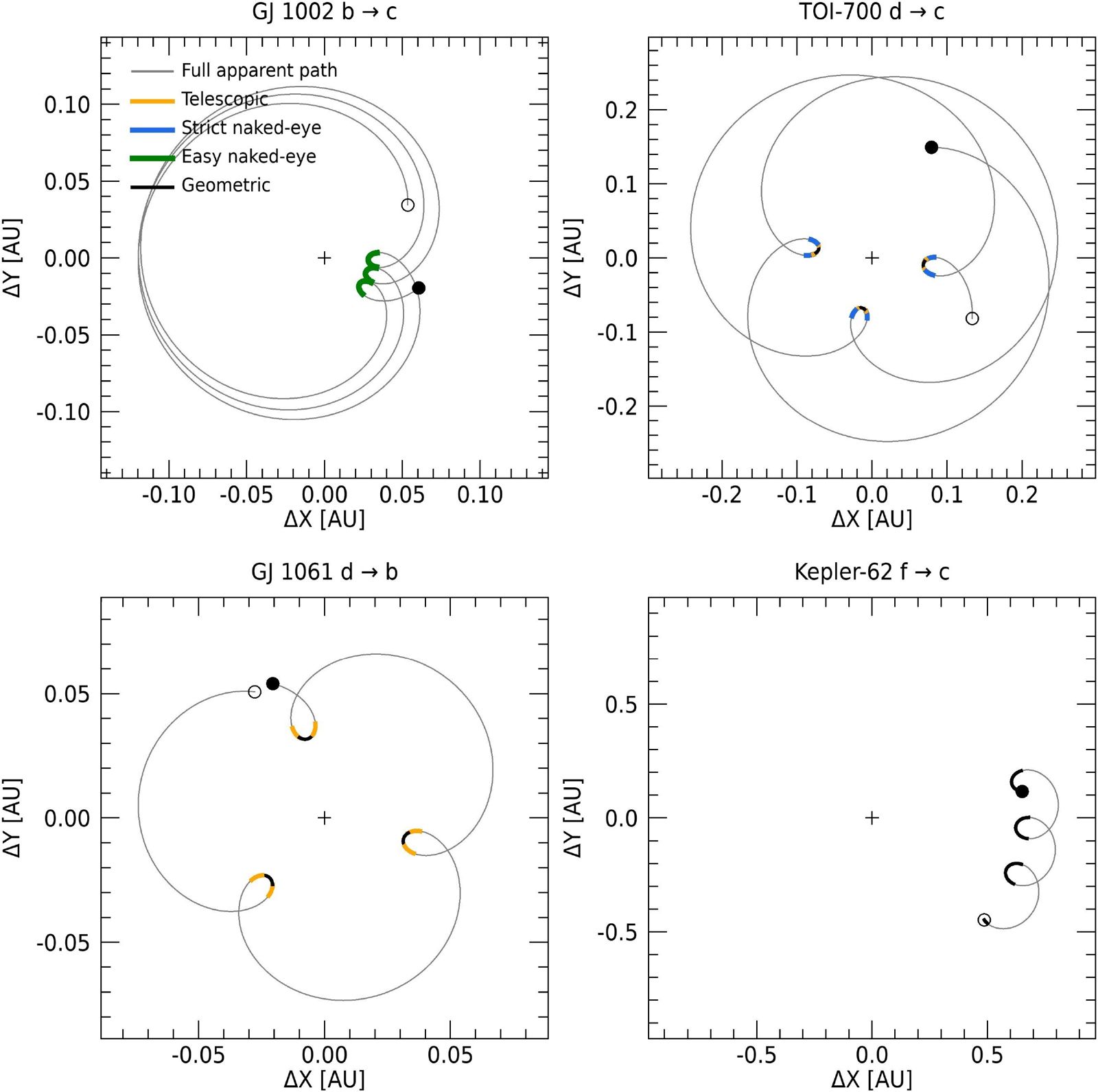
A new astronomy paper suggests that two nearby rocky planets could each give observers a view of other planets seeming to move backward through the sky.
The work comes from Professor Woong-bae Zee of Sejong University, who examines how those planets would look from each world.
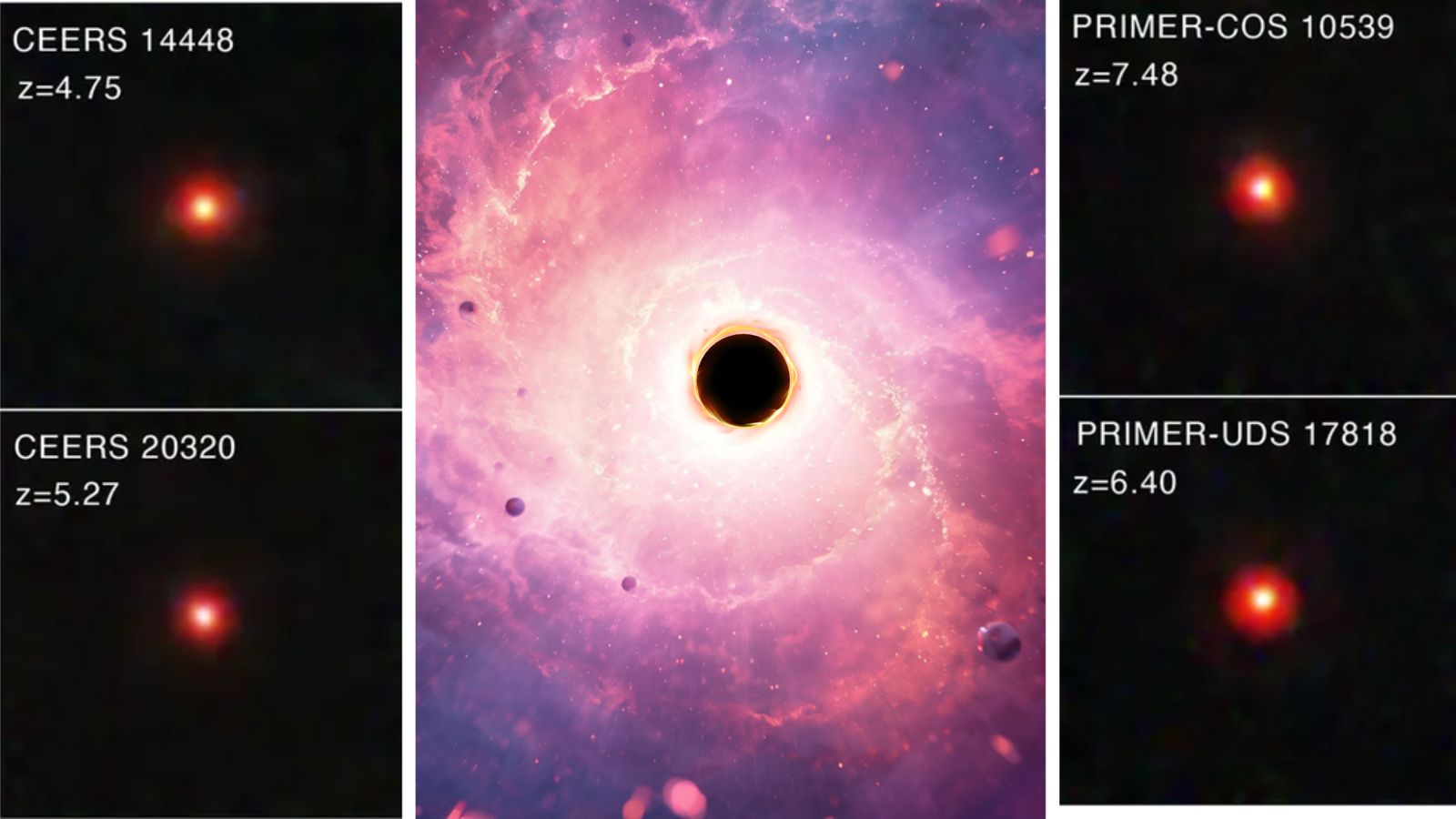
Some of the mysterious Little Red Dots seen by the James Webb Space Telescope may be primordial black holes, born just after the Big Bang. Researchers tested this idea on one of them, QSO1, whose light left it when the universe was about 700 million years old.
QSO1 is made almost entirely of hydrogen and helium, which may make it more pristine than others. Their modeling found the most likely scenario is a small primordial black hole that slowly grew by consuming nearby gas.
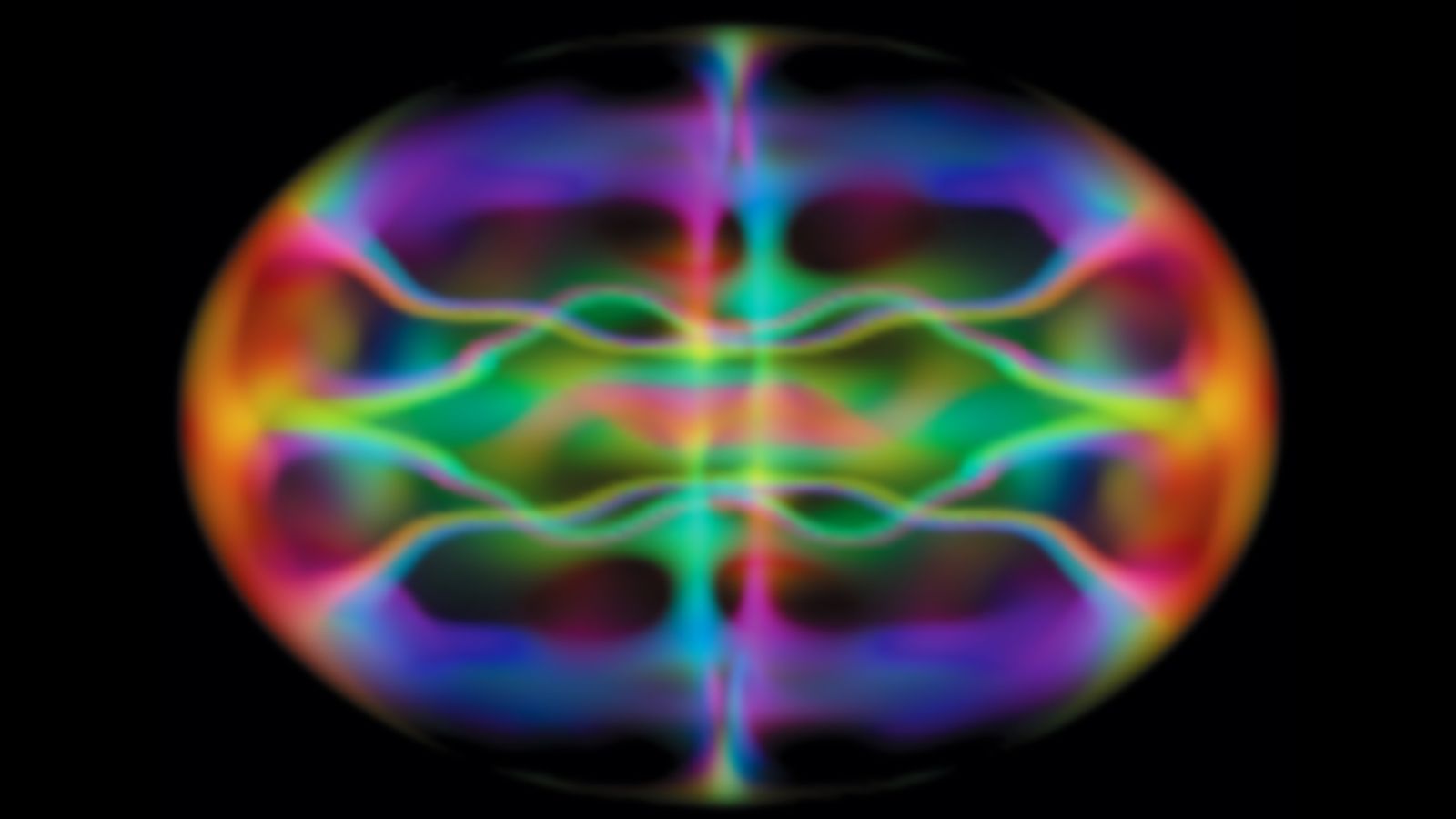
Physicists aboard China's Tiangong space station have measured an equivalent temperature of 9.7 picokelvins, which the team says is the lowest yet recorded. That is about 280 billion times colder than the average background temperature of space.
They cooled about 20,000 rubidium atoms into a Bose-Einstein condensate, using a magnetic field gradient to stand in for gravity's pull. The cloud spread so slowly that it could still be picked up seven seconds after release.
The previous record, 38 picokelvins, was set in a German drop tower in 2021.
 Astronomy Today@astronomytoday