Anthropic, the company behind Claude, is pushing its AI further into drug discovery. It has partnered with six firms, including Bristol Myers Squibb, to speed up several stages of making medicines.
Generate Biomedicines is adapting CAR T-cell therapy, usually used on blood cancers, for solid tumours, and a redesigned genetic section it drafted with Claude Code helped immune cells make roughly 10 times more receptors in lab tests.
Much of this work is still preclinical, though one muscular dystrophy candidate could enter human trials as early as late 2028 if early results hold up.
Anthropic's planned initial public offering could put the AI company under a sharper spotlight, at a time when artificial intelligence is widely disliked across the United States.
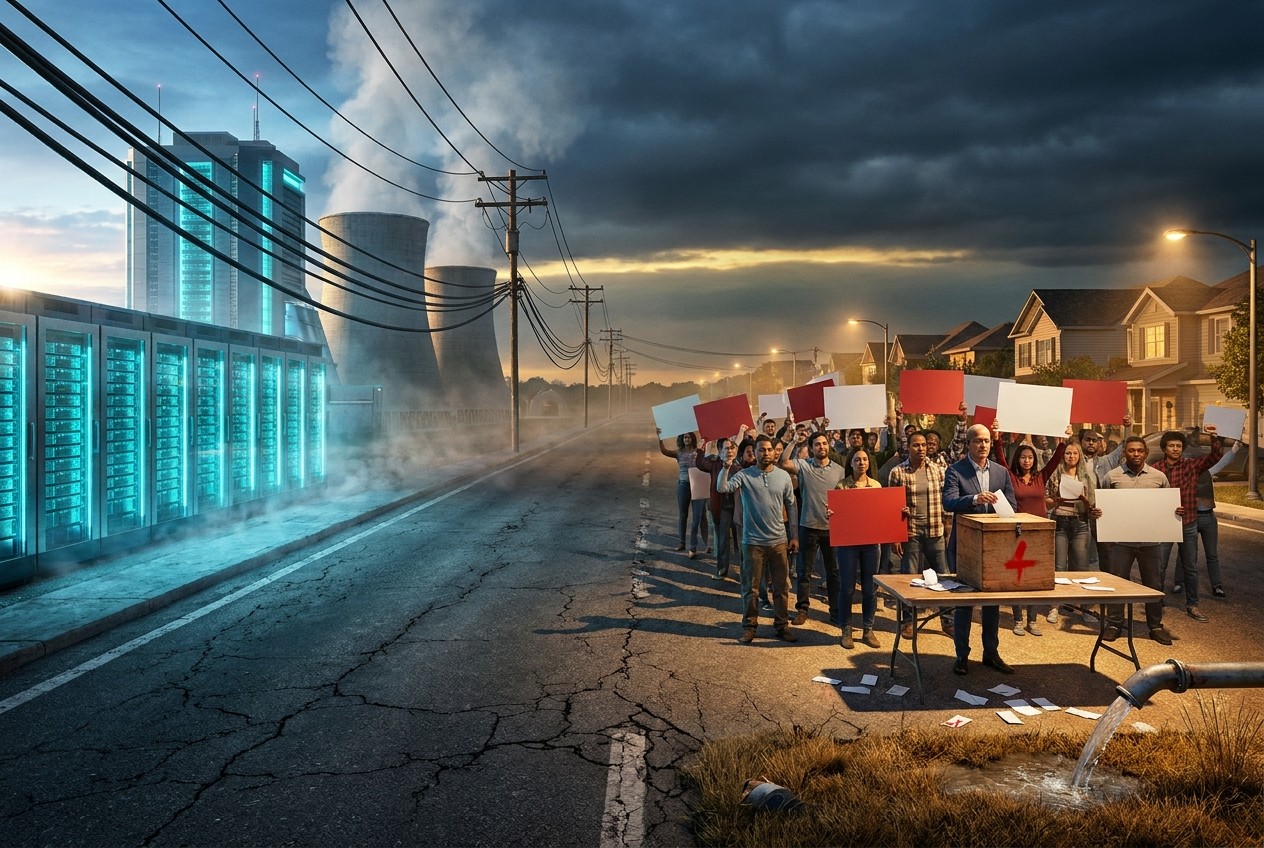
Election results from this year's midterms show voters opposed 40 of the 41 ballot measures tied to data centers. The results come as Anthropic prepares to go public.
OpenAI's revenue climbed about 50% in the July-September quarter from the three months before, reaching $10 billion. Its adjusted operating loss still grew, from $10.1 billion to $10.9 billion.
The company's adjusted operating margin did improve, moving to minus 109% from minus 150% in the previous quarter. OpenAI shared these figures with investors on Tuesday.
Rival Anthropic reported third-quarter revenue of $17 billion and an operating loss of $567 million, and it is preparing an IPO that could raise up to $64.35 billion.
Anthropic, the maker of the Claude AI models, has kicked off its IPO roadshow and is looking to raise as much as $64.35 billion. It plans to sell 825 million shares at an expected $70 to $78 each, listing on Nasdaq as ANT.
Anthropic itself is issuing most of the shares, while existing shareholders are selling the rest.
Its filing shows first-half 2026 revenue of $16.29 billion, compared with roughly $1.2 billion the year before, though it posted an $80.75 billion net loss, mostly from non-cash accounting charges.
Anthropic is reportedly preparing a Nasdaq listing around mid-November, but investors now expect a valuation of $1 trillion to $1.5 trillion, below the $2 trillion mentioned in recent months.
The market backdrop is tough. The Nasdaq took its biggest hit in about 19 months last week, and voters pushed back on AI in the November 3 elections, with local data centre measures rejected in 40 of 41 races.
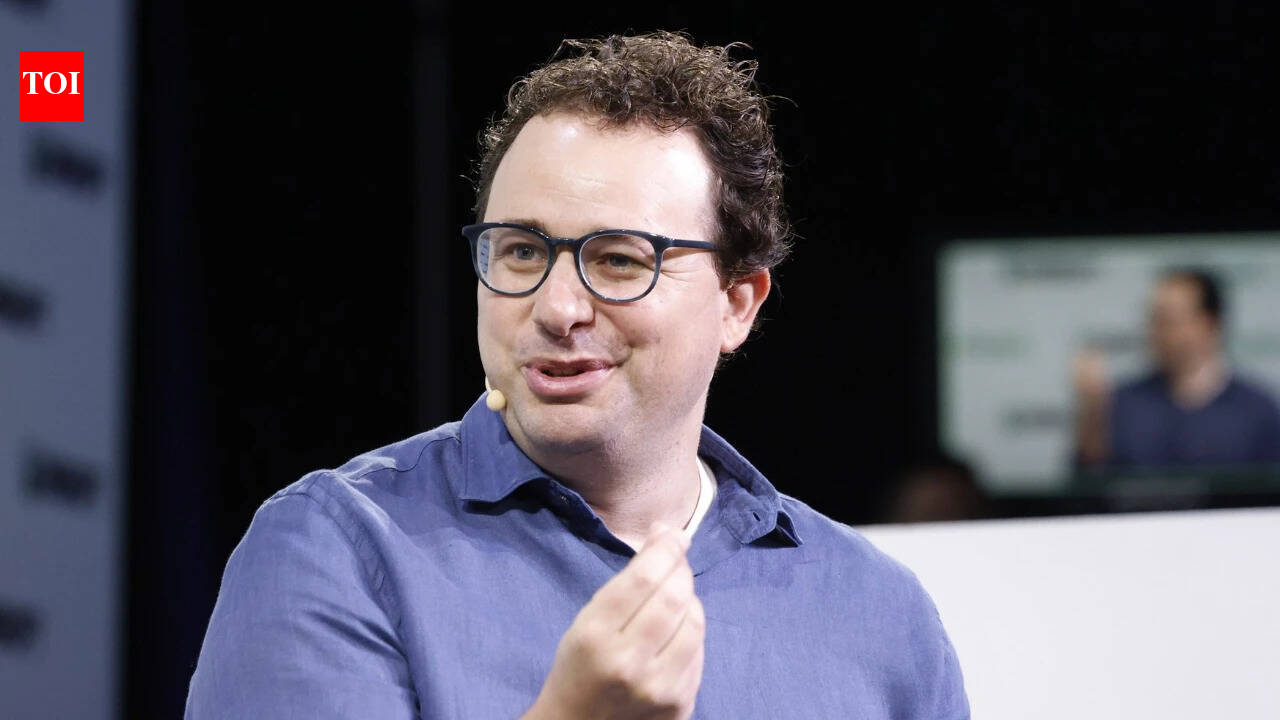
The company, led by CEO Dario Amodei, is best known for its Claude AI models, which are mainly sold to businesses.
The US wants to lead in artificial intelligence, yet it increasingly depends on private firms to assess and control powerful systems. A one-page White House accord signed on September 29 by leaders at OpenAI, Anthropic, Google, Meta, Nvidia and xAI sets no federal legal requirements that can be enforced.
Oversight rests on each company's own controls, safety teams, outside audits and board committees, which matters more as AI enters cybersecurity, intelligence and government work.
 Indian Entrepreneur@indianentrepreneur
 US Politics Daily
 Creative Process