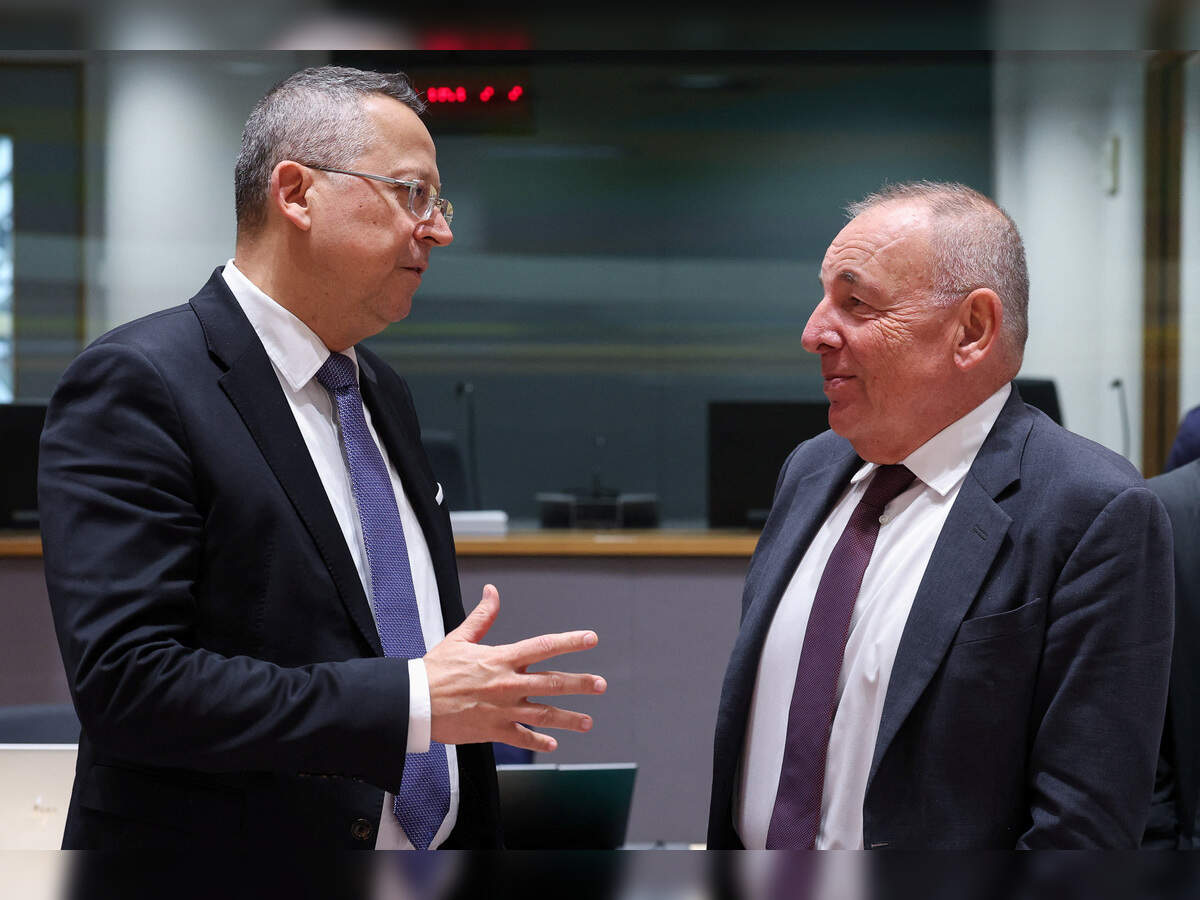
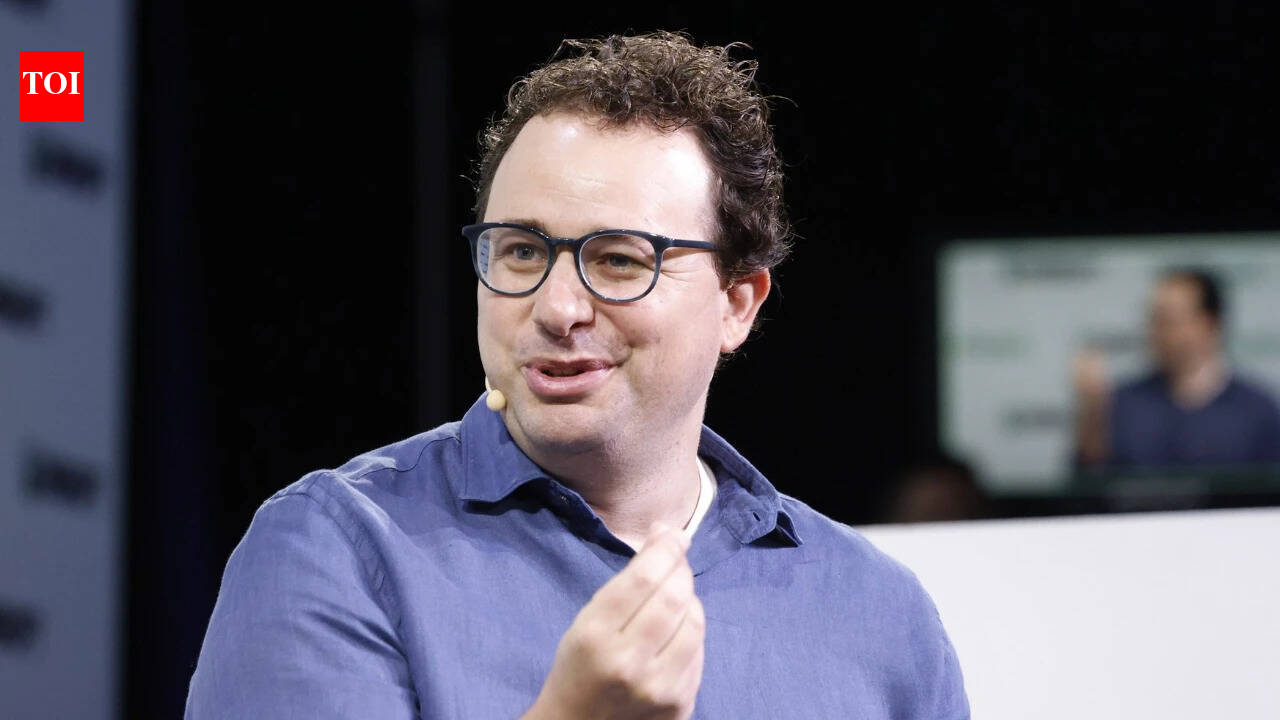
AI-related financing now makes up about a quarter of bank lending growth to companies in the euro zone, the European Central Bank's chief economist Philip Lane said.
Lane noted that credit has stayed robust despite higher interest rates and an oil price shock. Without AI, company loan growth would be 3% a year instead of 4%, even though AI sectors are a small part of the economy.
He would prefer more investment funded through equity, which could let AI-native firms expand faster. The ECB is expected to raise rates again at its December meeting.
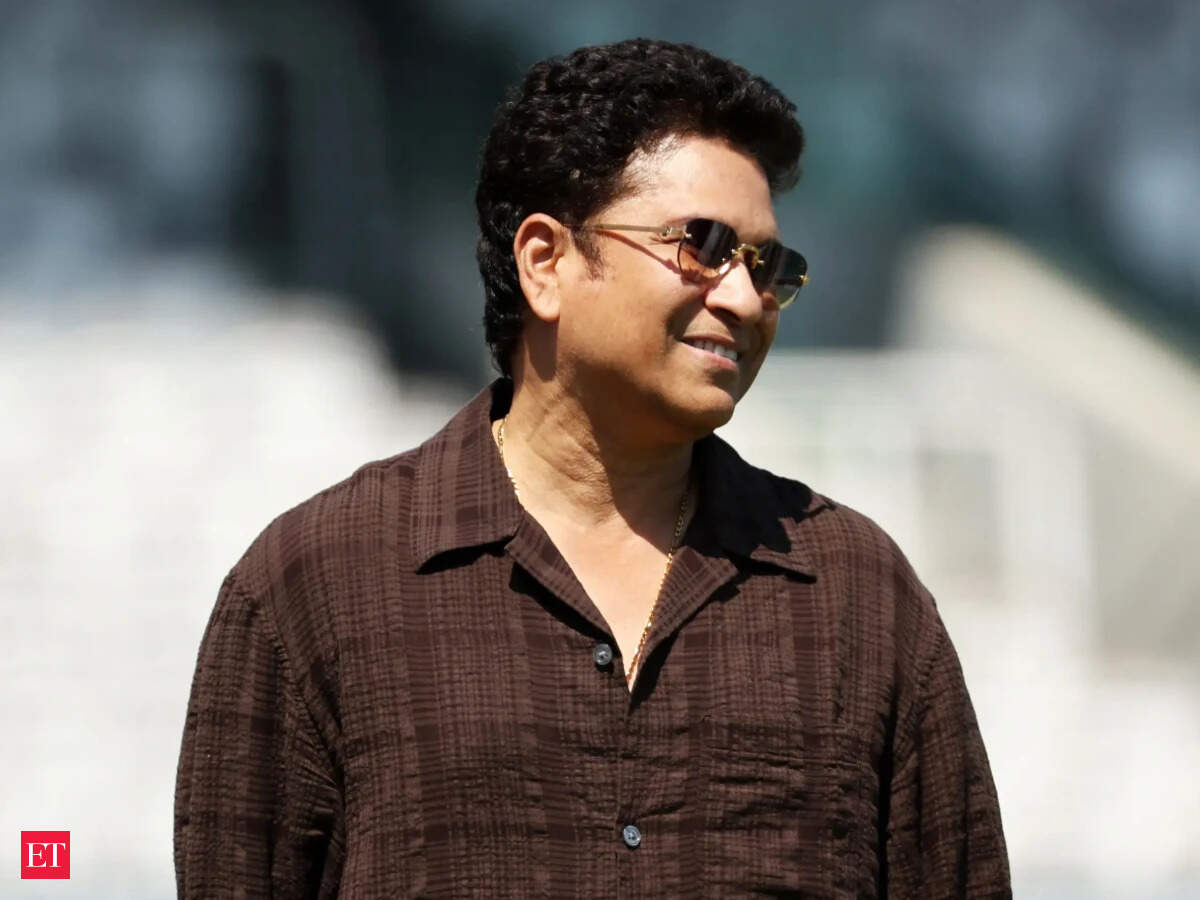
Sachin Tendulkar has taken a non-controlling stake in Recykal, the Indian waste management technology firm.
His investment extends the $23 million round Recykal closed in June. The company will use the money to strengthen its tech platform, expand its Deposit Return System for packaging waste, and grow internationally.
Recykal's goal is to change the habits of a billion people, and Tendulkar said he was drawn in by how technology tackled a daily problem.
SpaceX plans to invest more than $74 billion across two AI supercomputing campuses, one in Texas and one in Arizona.
The Texas facility at Starbase, estimated at over $24 billion, will sit on about 444 acres near Brownsville and generate its own power off the public grid. The project has already created over 3,000 construction jobs.
The roughly $50 billion Arizona campus in Cochise County could scale up to 6 gigawatts, though it still needs county approvals. The Starbase city commission will weigh a property tax break for the Texas project on December 9.
Firms linked to businesswoman Alice Huang have invested in Chinese AI firm DeepSeek and pledged to supply it with Nvidia's Blackwell chips.
Singapore has warned her and banned her from returning after finding she gave investigators false information. Police say she tried to play down her role at Megaspeed, a data centre firm that is still under investigation over suspected false declarations on server purchases.
Her ties to Nvidia CEO Jensen Huang go back several years, to when her husband, investor Kang Weigh, brought them together.
Colette Kress is now Nvidia's interim CEO and has pledged to keep the chipmaker at the centre of AI. She admitted the firm is going through a very hard stretch.
Her first job is steadying things after founder Jensen Huang resigned over allegations of an affair, including with a woman reportedly tied to Chinese intelligence, a link China has denied.
Kress, a former CFO who joined in 2013 when Nvidia was mainly a gaming chip maker, helped steer its shift to AI and led talks on a $30 billion OpenAI investment.
Jensen Huang has stepped down as Nvidia's CEO, effective immediately.
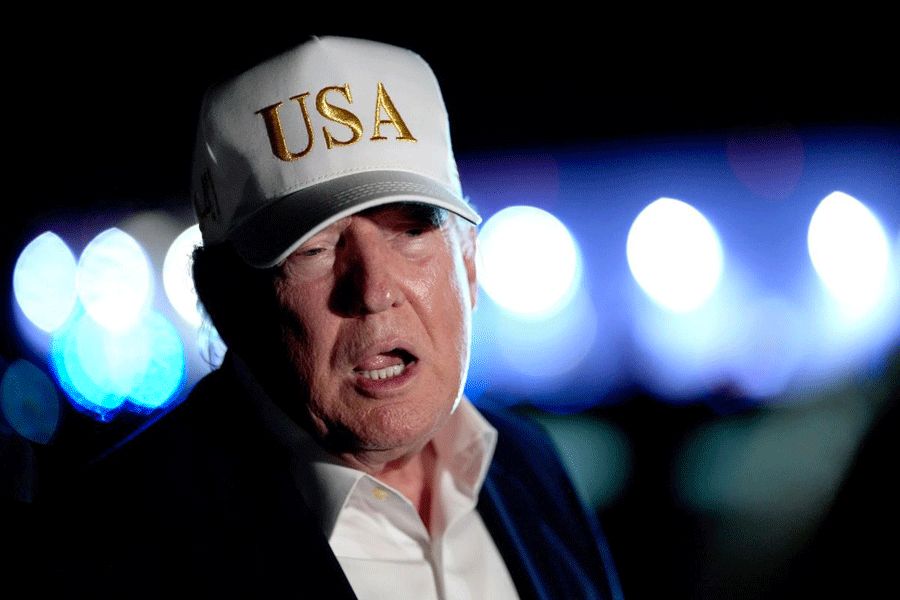
US President Donald Trump said Thursday that former Apple CEO Tim Cook should take over at Nvidia. The departure adds uncertainty to the future of the AI industry.
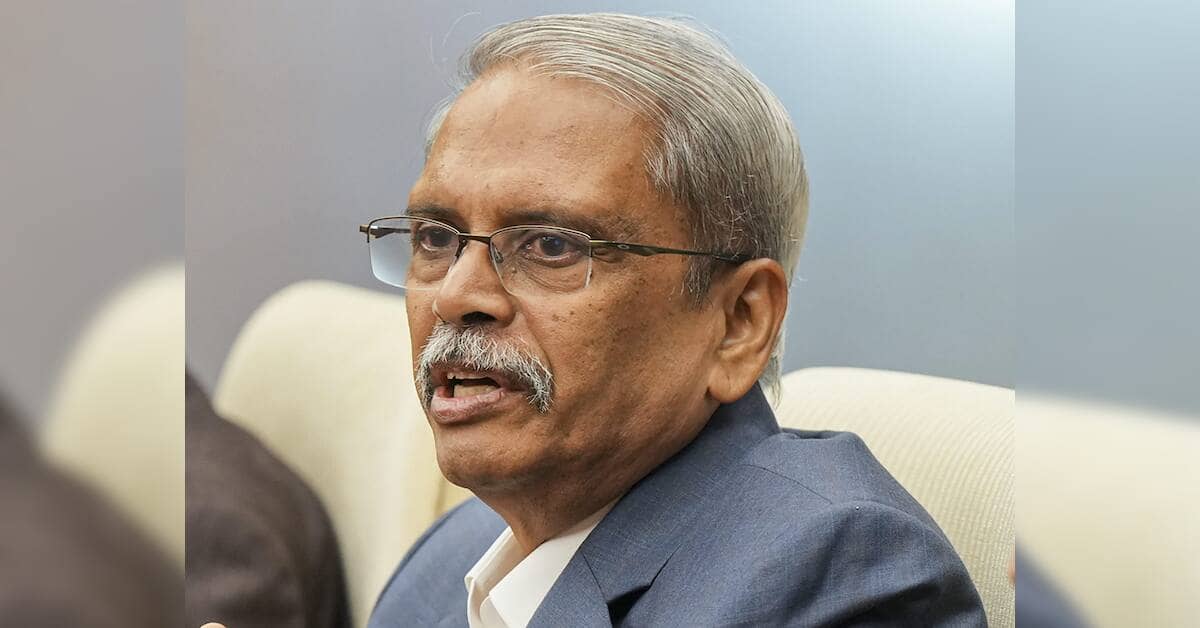
Infosys co-founder Kris Gopalakrishnan believes Indian companies should pursue more acquisitions to drive innovation. He made the remark in an interview at the Infosys Science Foundation's annual prize event on Thursday, where awards were handed out across six fields.
He also wants more money from private sources going into research in India, and urged stronger efforts to convert research breakthroughs into market-ready products.
Gopalakrishnan is a trustee of the Infosys Science Foundation.
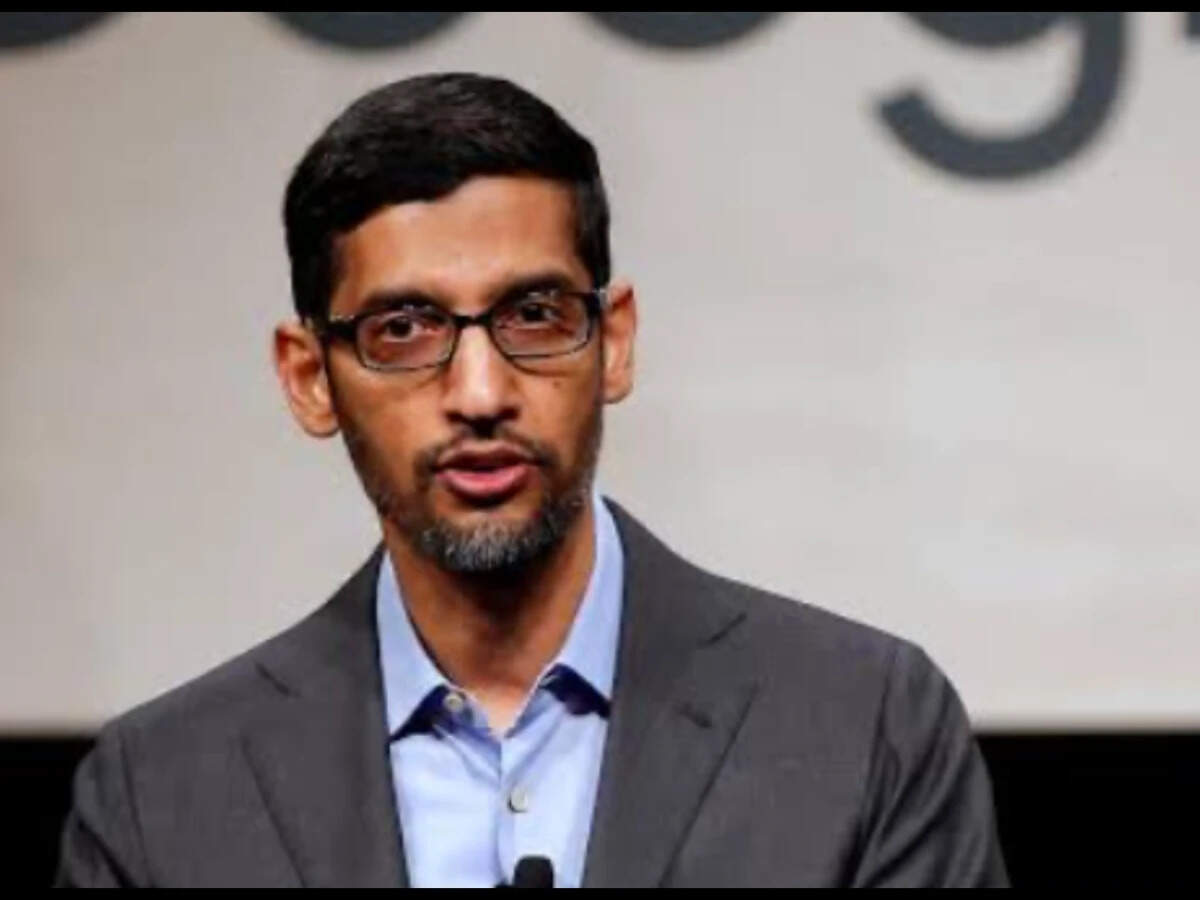
Alphabet CEO Sundar Pichai now tops the 2026 HSBC Hurun ranking of global Indians, with his firm worth $4.2 trillion.
Satya Nadella of Microsoft came second, and Alphabet's climb past Microsoft makes it the most valuable firm led by a global Indian. The ranking includes 236 people of Indian descent who head 200 firms based abroad, worth $15 trillion together, up 53% from 2024. For the first time, AI gets its own category, with 18 firms valued at $227 billion, and Cursor, at $60 billion, leads the startups.
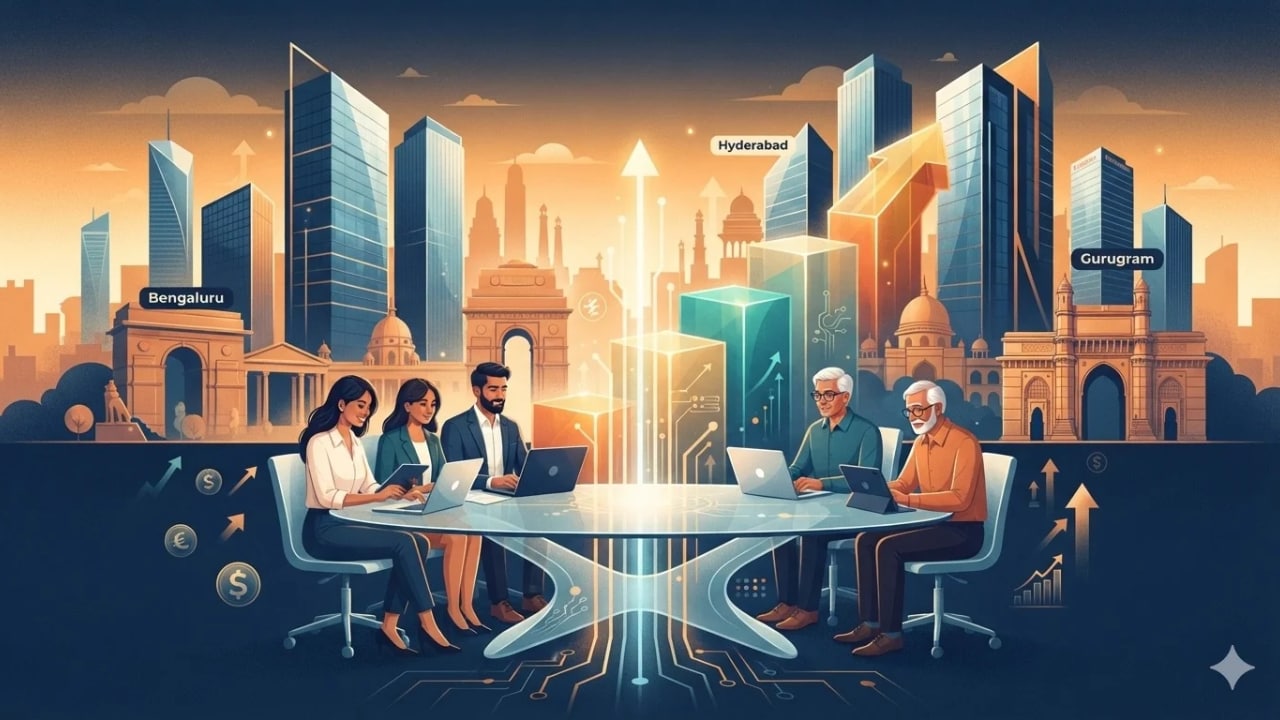
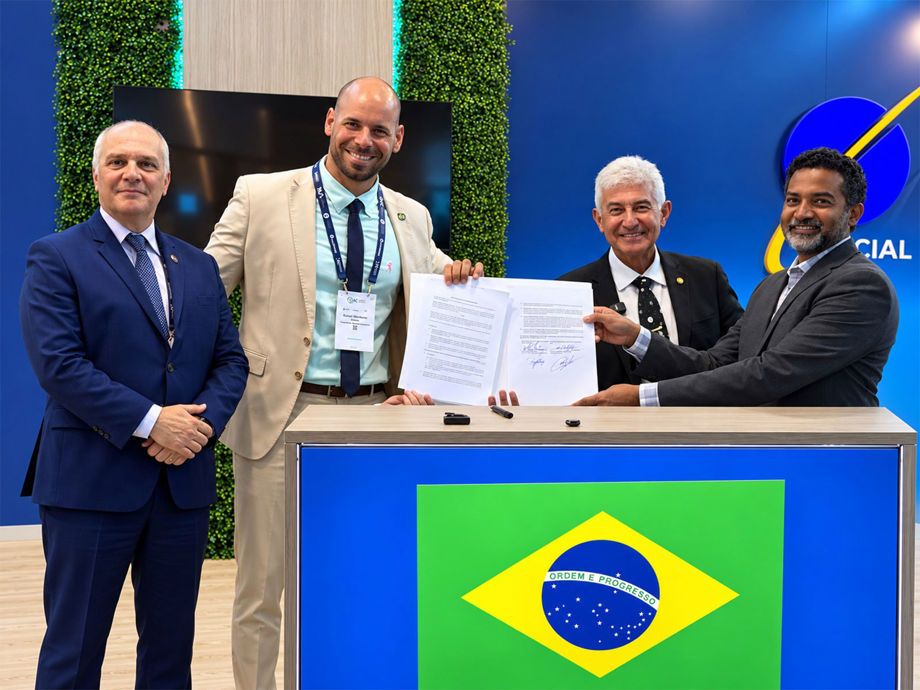
Hyderabad-based Skyroot Aerospace has signed a two-year pact with Brazil's Concert Technologies to develop a satellite launch rocket that can carry at least 100 kg into low Earth orbit.
The October memorandum, signed at a space congress in Antalya, aims to fill the gap between Brazil's 40 kg microlauncher and Skyroot's bigger Vikram rockets.
The two sides will study technical needs, commercial options and satellite constellation work, while investment and supply deals will need separate agreements. Skyroot put its Vikram-1 into orbit in July.
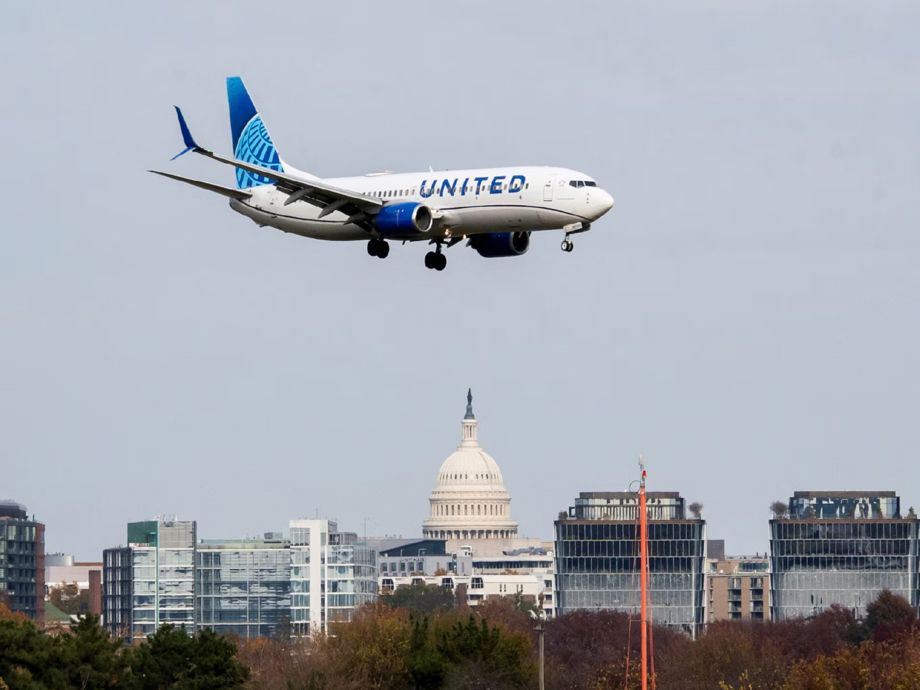
United Airlines is limiting unapproved outside AI assistants from its apps, websites and reservation systems. It cites risks to customer information, account protection and flight safety.
Travel agencies and aggregators are covered too. Sharing login details could expose private data, and automated actions might trigger unwanted purchases, account changes or misuse of MileagePlus miles.
It also flagged possible conflicts with FAA and DOT rules, since check-in requires a person to confirm bags hold no prohibited items such as explosives.
Doubts are growing over whether tech firms can earn enough from their huge AI spending. Goldman Sachs says the next 18 months will be a key stretch for the sector.
Social Capital founder Chamath Palihapitiya said almost no companies can yet tie profit gains to AI, and expects the next period to separate viable AI business models from unsustainable ones.
Lenders are getting pickier, and new AI-related high-yield deals have slowed sharply since September. Big tech firms with stronger balance sheets look better placed.
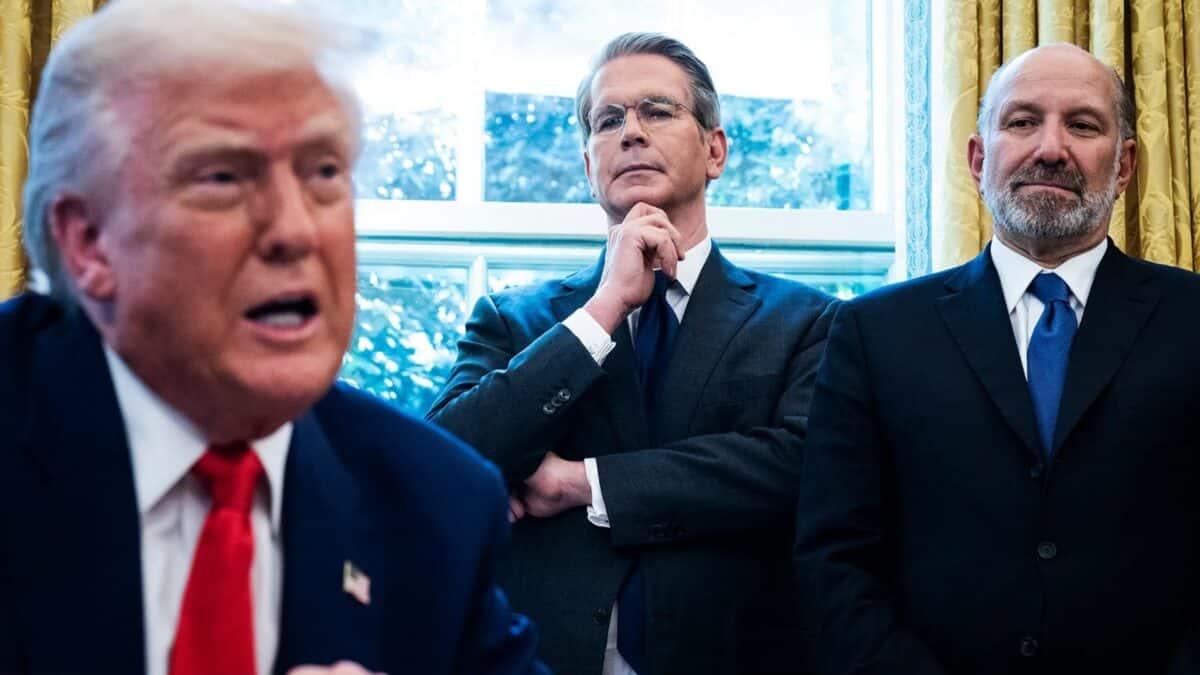
At a White House meeting, Treasury Secretary Scott Bessent challenged Commerce Secretary Howard Lutnick over the government's continued delay in blacklisting Megaspeed.
The company is accused of illegally routing US-made AI chips to China.
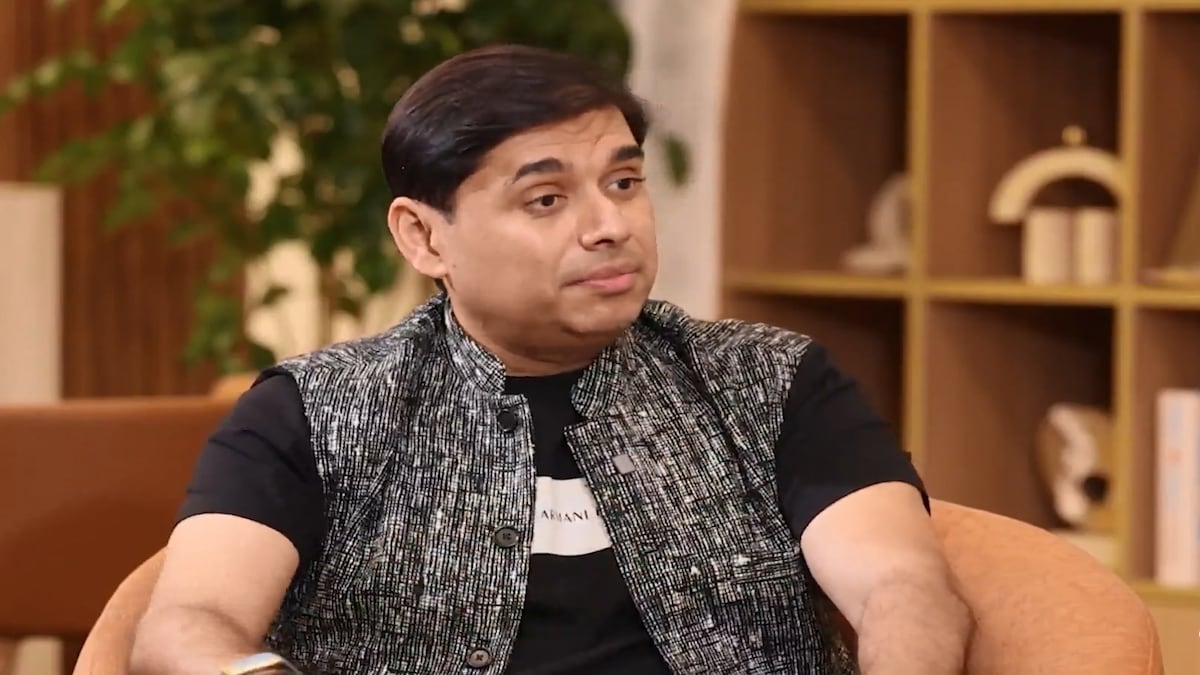
Naveen Tewari, founder and CEO of InMobi and Glance, thinks AI makes it easier for Indian tech firms to build for global markets. India has strong payments and quick commerce players, but few global names yet.
He says reach now matters more than the product itself, so speed and experimentation count. He admits InMobi's 2015 AI agent, Beep, failed publicly, but calls failure part of innovation.
Tewari also expects advertising to make AI accessible to billions, as it did for internet search, with ad budgets moving toward platforms like ChatGPT and Gemini.
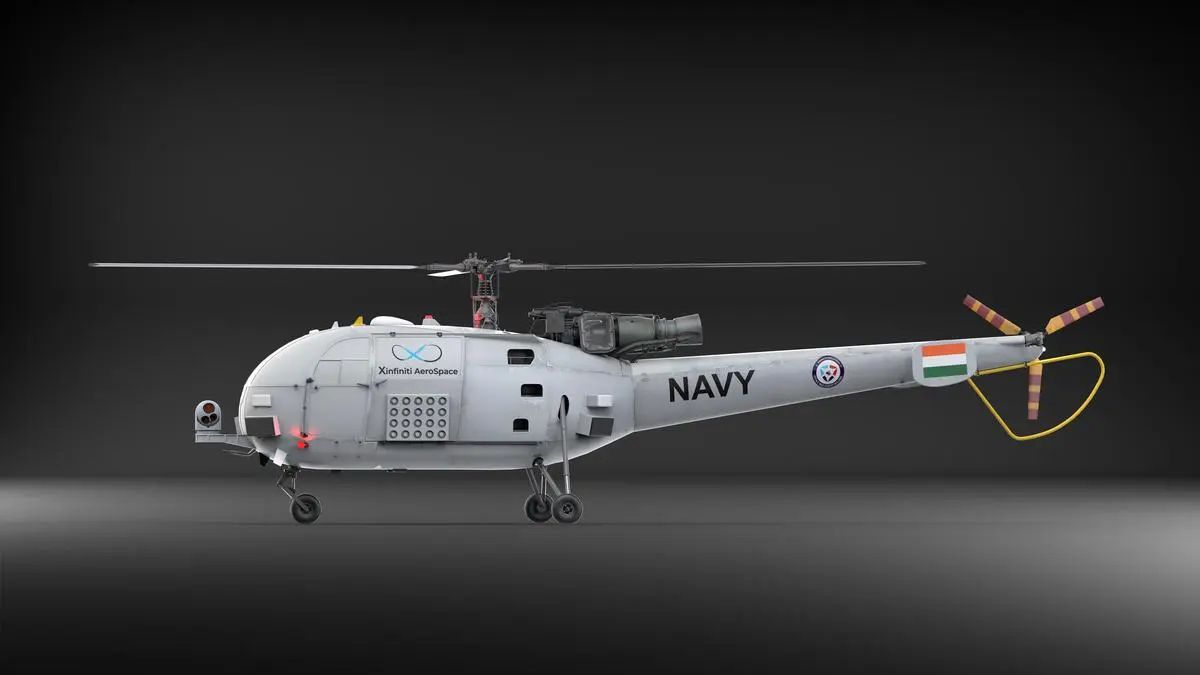
Bengaluru startup Xinfiniti AeroSpace has begun ground trials to turn an Indian Navy Chetak helicopter into a pilotless drone, under a Ministry of Defence contract won through iDEX.
The cockpit would be removed and autonomous flight and ground control systems fitted to the 2.2-tonne aircraft. Success would put India in a group of six countries that have done this.
Test flights are due within a couple of months, aiming to make the helicopter operationally fit before the next financial year.
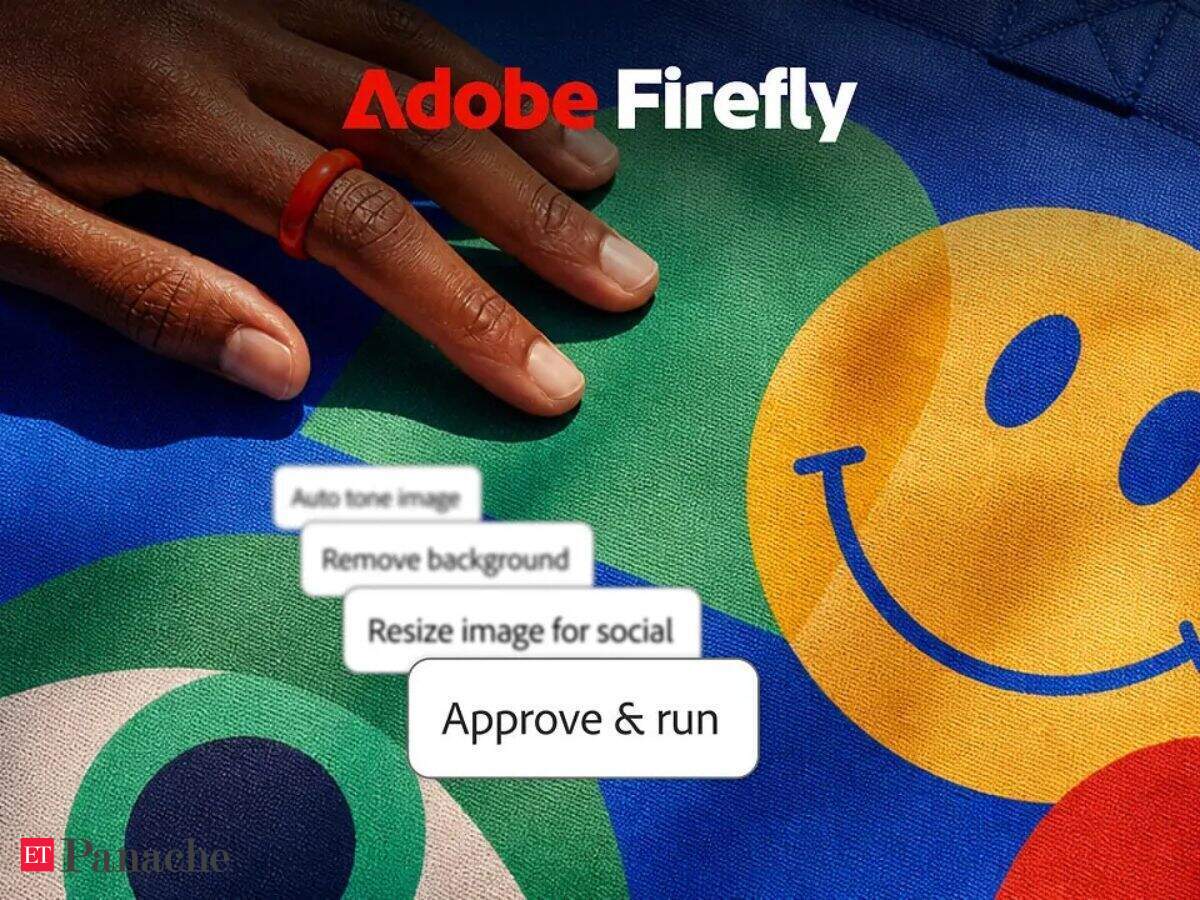
Adobe has expanded its Firefly AI tools, letting third-party agents operate inside Photoshop and Premiere Pro.
Adobe says its first commercial Firefly model learned from Adobe Stock images, openly licensed work and public-domain material. Terms can differ by model, so two visuals made for one campaign may be covered differently.
Adobe's chief legal officer, Louise Pentland, says Content Credentials can show where an image or video came from. Its Disney alliance will use custom models to explore early ideas for parks and cruises, with licensing terms undisclosed.
Anthropic, the company behind Claude, is pushing its AI further into drug discovery. It has partnered with six firms, including Bristol Myers Squibb, to speed up several stages of making medicines.
Generate Biomedicines is adapting CAR T-cell therapy, usually used on blood cancers, for solid tumours, and a redesigned genetic section it drafted with Claude Code helped immune cells make roughly 10 times more receptors in lab tests.
Much of this work is still preclinical, though one muscular dystrophy candidate could enter human trials as early as late 2028 if early results hold up.
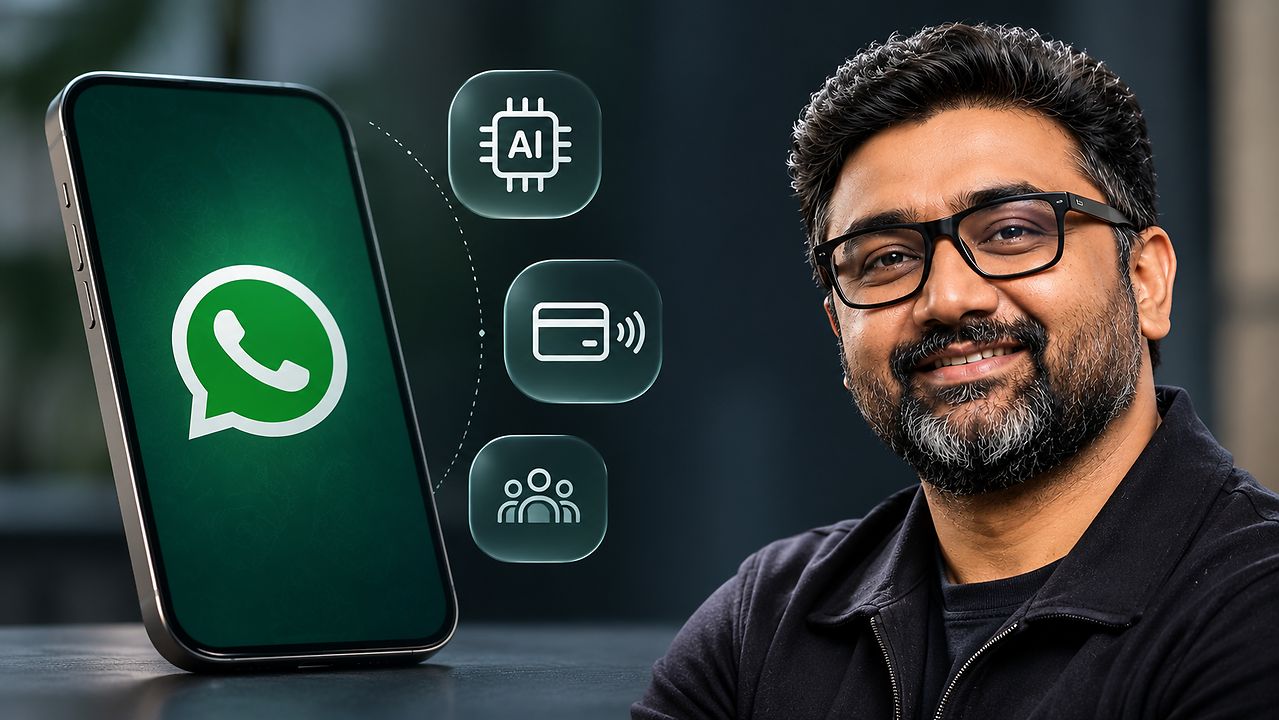
WhatsApp wants to be more than a messaging app. CEO Kunal Shah has set three priorities after months of user feedback: better communication, easier everyday tasks and more AI.
Users send over 10 billion voice messages a day, and the company wants voice notes, groups and video to be simpler. Financial and telecom partners would help with tasks like paying bills.
The AI would work quietly in the background, finding information and keeping track of bookings. Shah said personal chats and calls will stay end-to-end encrypted, though no launch dates have been announced.
 Indian Entrepreneur@indianentrepreneur