Democrats who will control Congress next year plan a fast start in January. Their early agenda targets voter concerns after the party's strong November 3 showing, including the Iran war, prices and healthcare.
Senator Brian Schatz of Hawaii put a ban on lawmakers trading stocks at the top of his list, alongside ending the Iran war and reversing Medicaid cuts. Republican Senator Josh Hawley of Missouri also backs the stock trading ban and has a bill pending, but Democrats will need Republican votes to reach the 60 votes most Senate bills require.
Democrats who take over Congress in January plan to put Health Secretary Robert F. Kennedy Jr. under heavy scrutiny. Some senior lawmakers have floated impeaching him.
The party also wants to work with Kennedy's MAHA supporters on shared goals, like pesticide rules and healthier school lunches. That could be tricky, since many of them still back him strongly.
Sen. Ron Wyden has already opened two probes: one into Kennedy's account of a 2019 Samoa trip, and one into reports that he took hundreds of thousands of dollars in pricey gifts.
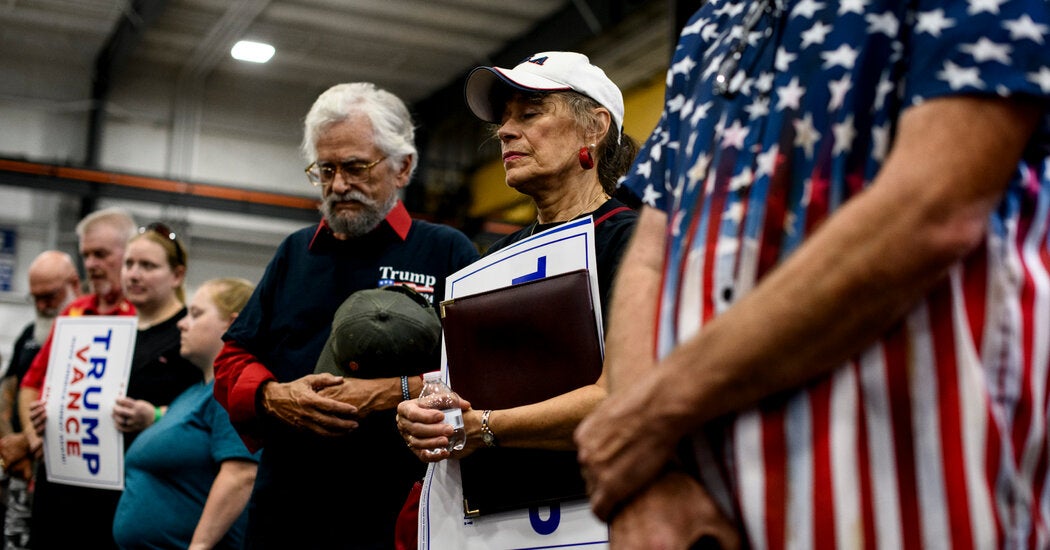
Religious conservative activists took a heavy hit in last week's midterms, their steepest setback since gaining major influence under President Trump. With their goals closely tied to his, the losses suggest their grip on his party has loosened, and activists are scrambling to plan for 2028.
Terry Schilling, who leads the American Principles Project, says the administration delivered few wins beyond some executive orders. He argued the movement could have passed laws to protect children, contrasted that with the Iran war, and said there is no standout accomplishment to point to.
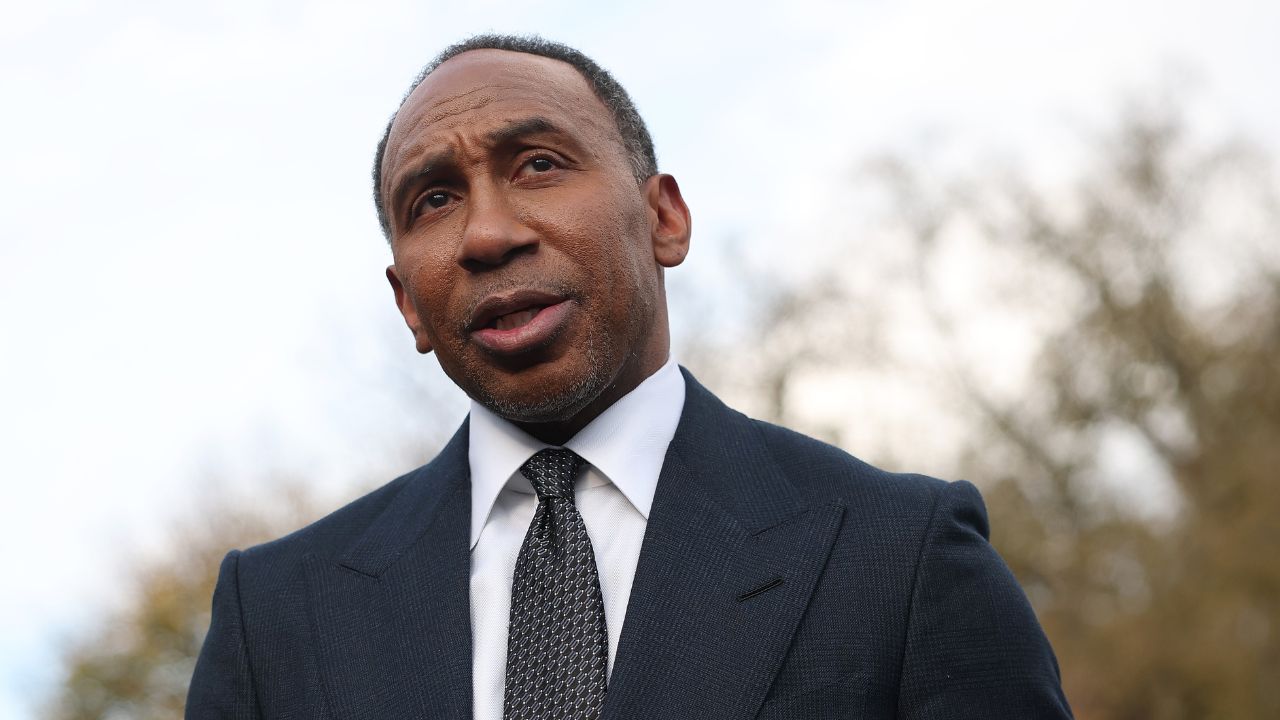
Stephen A. Smith says a 40-minute White House interview with President Trump left him convinced the president won't accept blame for the GOP's midterm losses.
When Smith pressed him, Trump said he was not on the ballot and suggested the Republican candidates were not good enough. Smith disagreed, saying voters were unhappy with how Trump has governed.
Smith also warned that Democrats face a challenge from their far-left flank, which he said makes the party look divided.
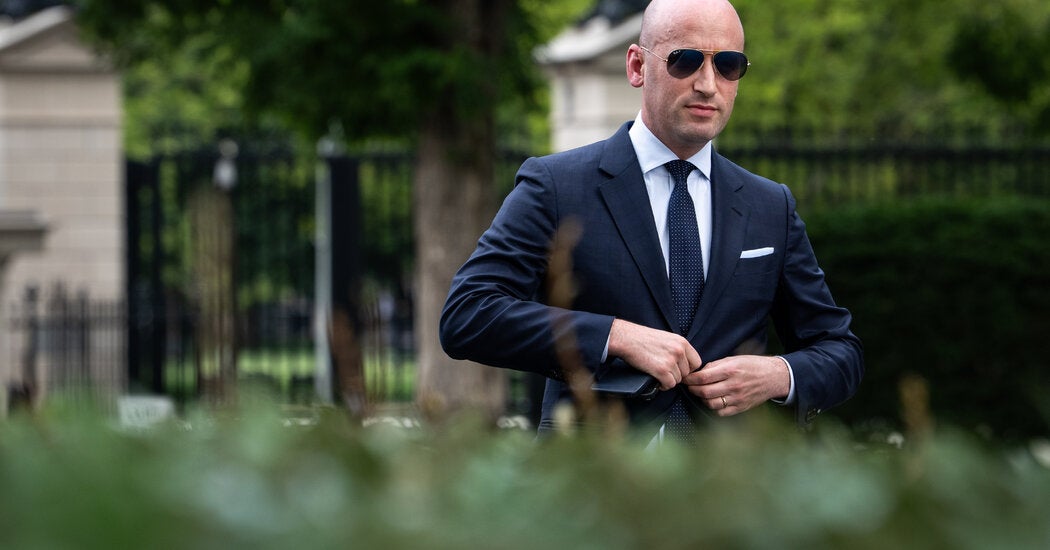
Stephen Miller's office has issued a memo telling White House staff not to discuss policy with lobbyists on the grounds without approval.
The move follows claims by Calley Means, a former health adviser who left HHS last month, that Susie Wiles favored corporate donors with well-connected lobbyists. Means named Ballard Partners, where Wiles once worked, and her daughter Katie, a partner at Continental Strategy.
Miller took over as chief of staff last week after Wiles was removed, and the White House has not said what prompted the memo.
The Justice Department now faces new scrutiny from a Democratic-led Congress.
For nearly two years, Republicans controlled Congress and rarely checked the department as it pursued the president's foes, fired career staff and defended policies judges repeatedly questioned.
Democrats are poised to regain control of the House in January, which opens the door to changing how the chamber runs. A new package of House rules is expected to be introduced in the coming weeks, with Democrats expected to hold at least 255 seats.
The party would have to unite behind one package to replace the current GOP rules. Since lawmakers returned after the midterm elections, Democrats have put forward several possible changes.
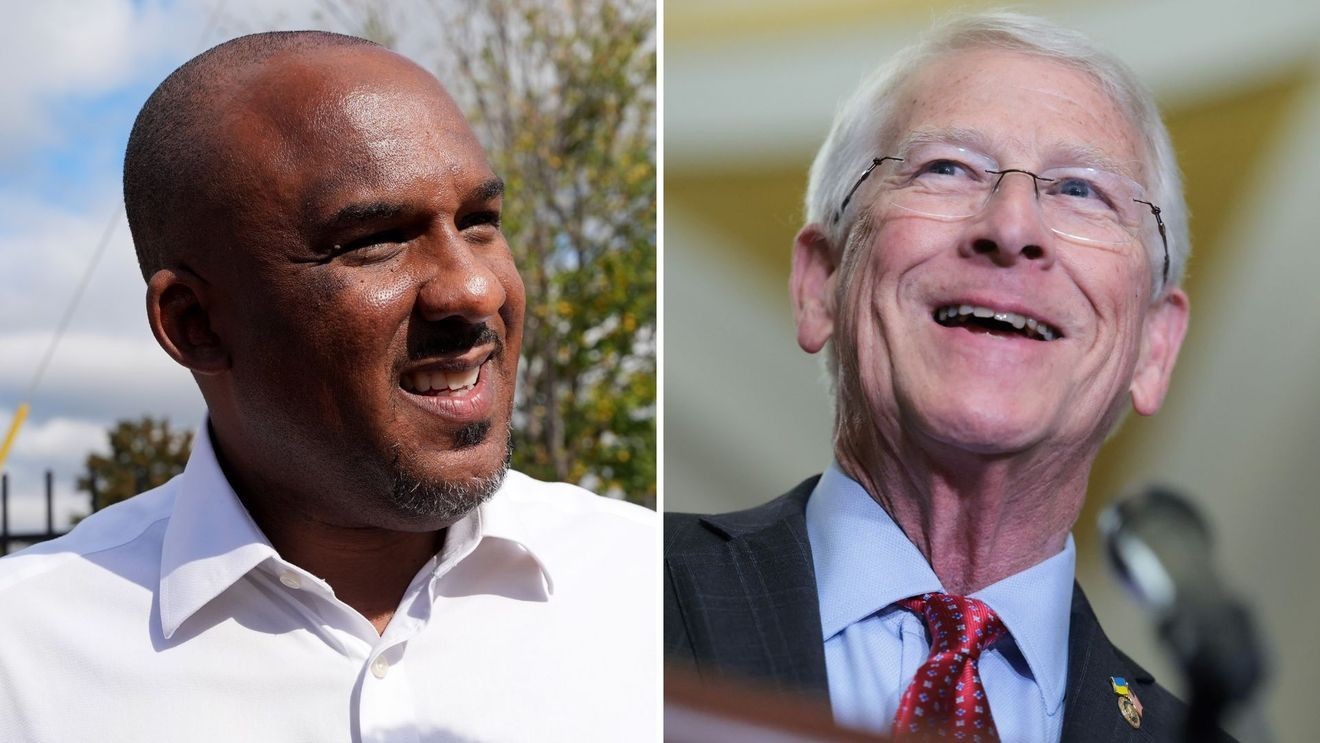
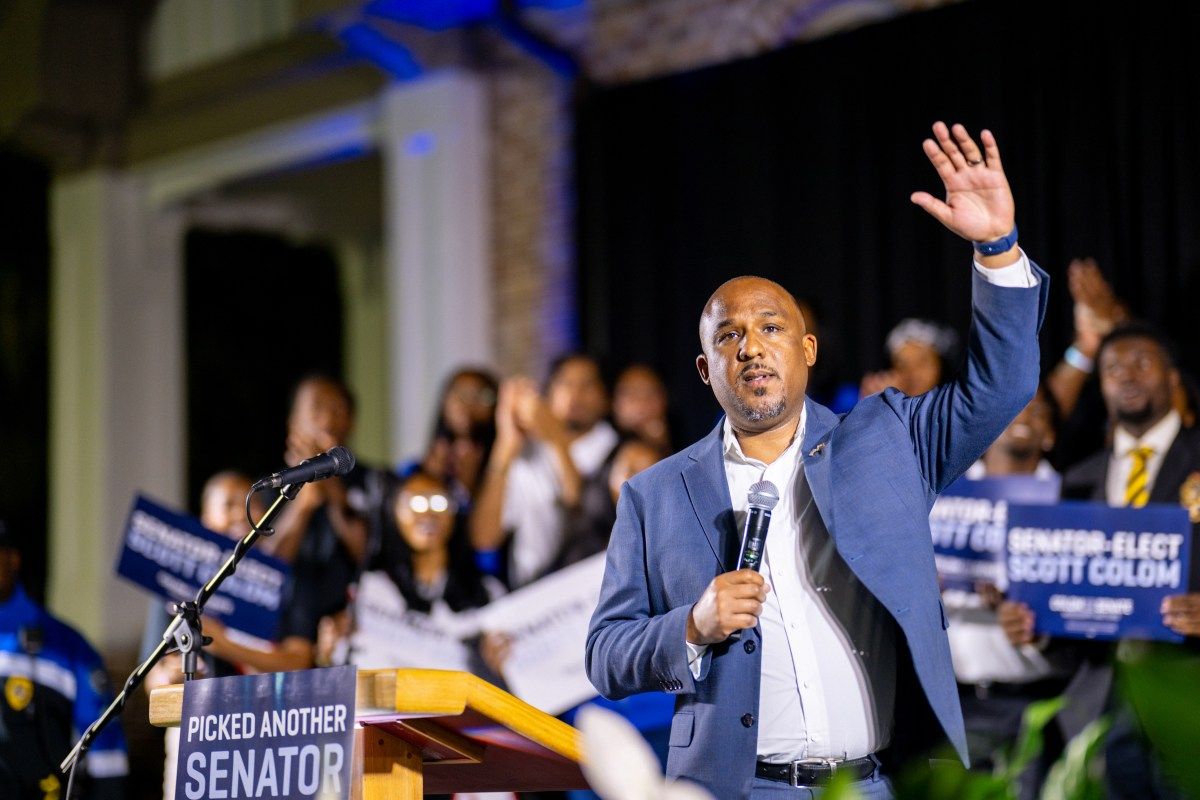
Come January, Mississippi will have a Democrat and a Republican holding its Senate seats, a first in nearly four decades.
Scott Colom was declared the winner Wednesday evening and will serve alongside Republican Senator Roger Wicker. The Deep South has backed Republicans strongly for decades.
On Thursday, Wicker congratulated Colom on X and said he hoped to work together for Mississippi and the country. Colom answered in a similar spirit, vowing to help improve the state and to earn the trust voters gave him.
White House counsel Will Scharf warned Rep. Robert Garcia, incoming Oversight chair, that possible Democratic probes next year could slide into outright criminality.
Scharf added that unlawful subpoenas meant to strip citizens of their rights might draw further scrutiny. Garcia plans to look into allegations involving the president's family, DHS and ICE, and corporate corruption.
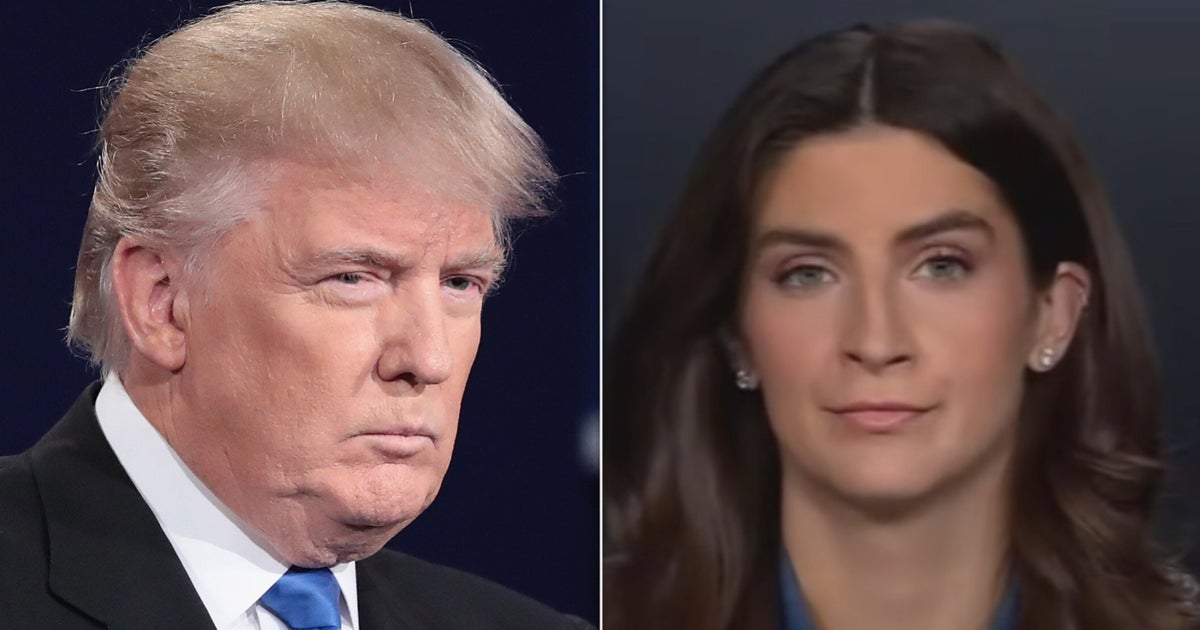
CNN anchor Kaitlan Collins said the administration is preparing to fight subpoenas and take an adversarial stance toward the new Democratic majority.
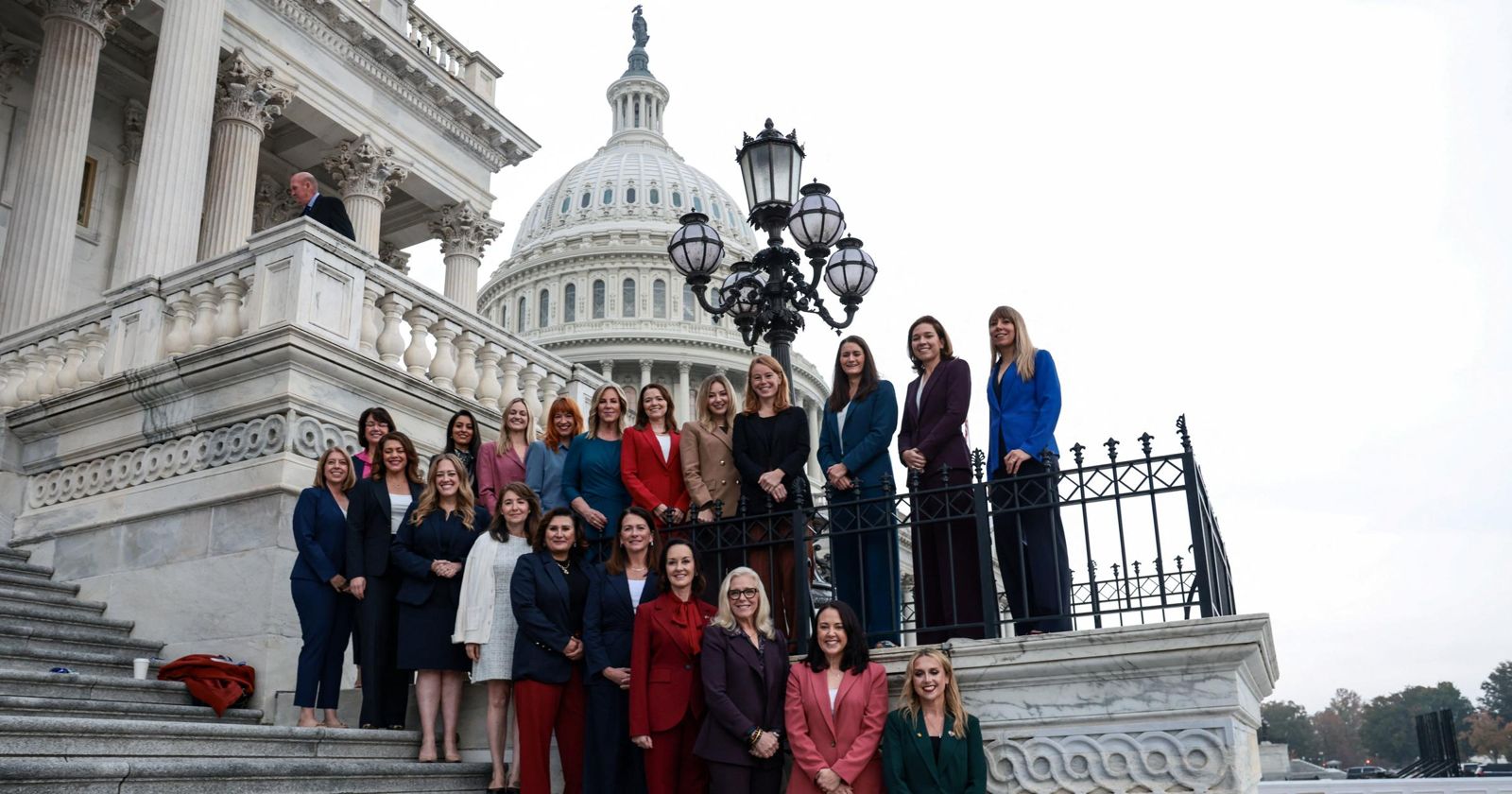
Several Southern California members of Congress shared their views on the midterms and the new Democratic majority in Congress.
Rep. Mike Levin of Carlsbad sees room for bipartisan deals on energy costs and a ban on lawmakers trading stocks. Rep. Luz Rivas of Los Angeles wants immigration reform that offers a route to citizenship for immigrants.
Republican Rep. Jay Obernolte of Hesperia hopes the new majority works with the administration on AI regulation. Rep. Ted Lieu of Torrance wants to undo recent Medicaid reductions and bring back Affordable Care Act tax credits.
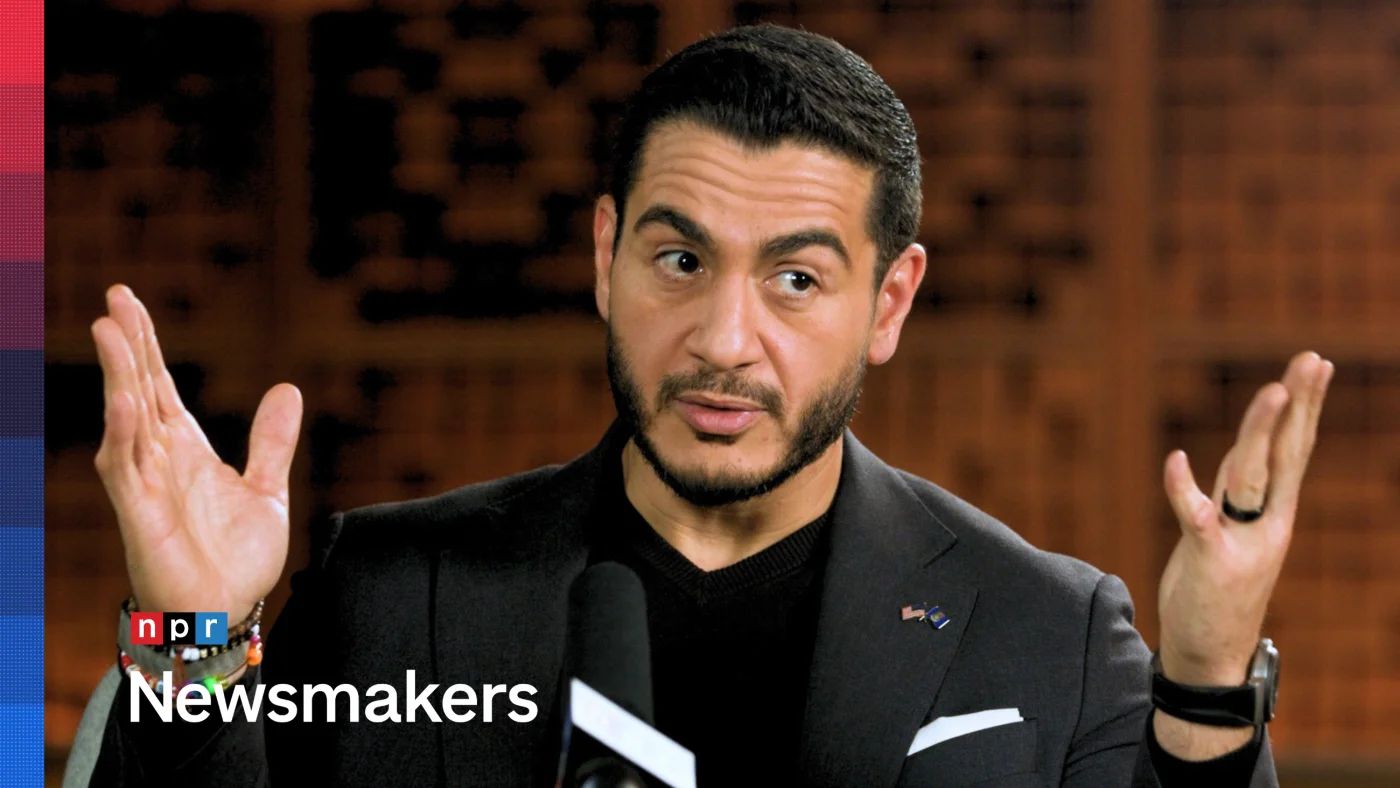
Michigan Democrat Abdul El-Sayed warns that voters' backing for his party may be temporary unless Democrats act boldly in Congress. He wants new Senate leadership and would like Sen. Chris Van Hollen to challenge Chuck Schumer in December.
He wants to end the Iran war, pass Medicare for All and abolish ICE, and he's willing to work with Republicans to do it.
He has invited Trump to meet and even floated naming major healthcare legislation after the president. El-Sayed is the first Muslim ever elected to the U.S. Senate.
Democrat Scott Colom has won Mississippi's Senate race over Republican Senator Cindy Hyde-Smith, adding to the Democrats' majority.
Colom, a local prosecutor, is the first Black person to represent Mississippi in the Senate since Reconstruction. Few had expected the race to be competitive, but his viral 28-second ad drew national attention in mid-October by reviving Hyde-Smith's earlier comments on beef prices.
Senate Majority PAC only began spending in the final stretch, and Obama, Harris and Trump all weighed in on the race in October.
ICE says its arrests and removals in the year ending Sept. 30 set a new high for the agency. Homeland Security put deportations at 483,200, up 9% from the previous peak a year earlier.
The release skipped key details, like how many of those removed had criminal records. The total also trails the White House goal of one million deportations a year.
Democrats in Congress, who did well in the recent midterms, have promised close oversight of the agency.
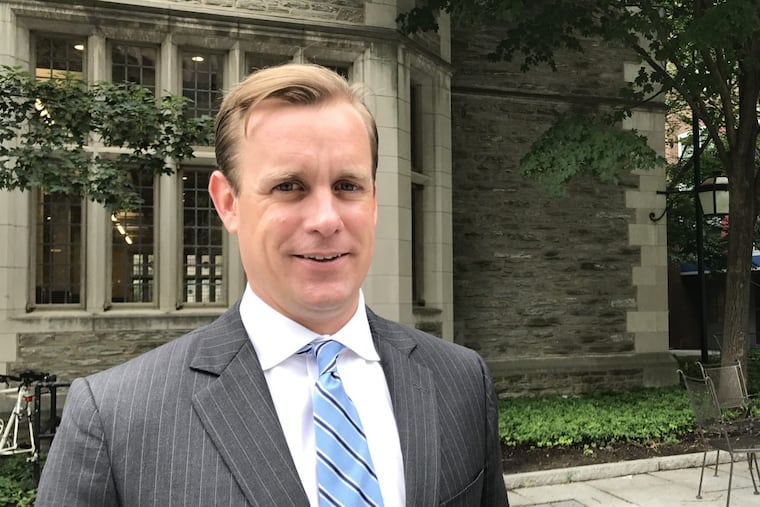
Wayne attorney Wally Zimolong's firm has formed a task force to defend officials in the Trump administration as Democrats prepare to take control of Congress in January and launch investigations.
The group will also represent outside businesses and other parties tied to the White House who face scrutiny. A top House Democrat has already asked nine federal agencies and 27 companies, including Chevron and TikTok, to preserve records.
Zimolong expects a tough court battle over executive privilege, though his team is still being assembled.
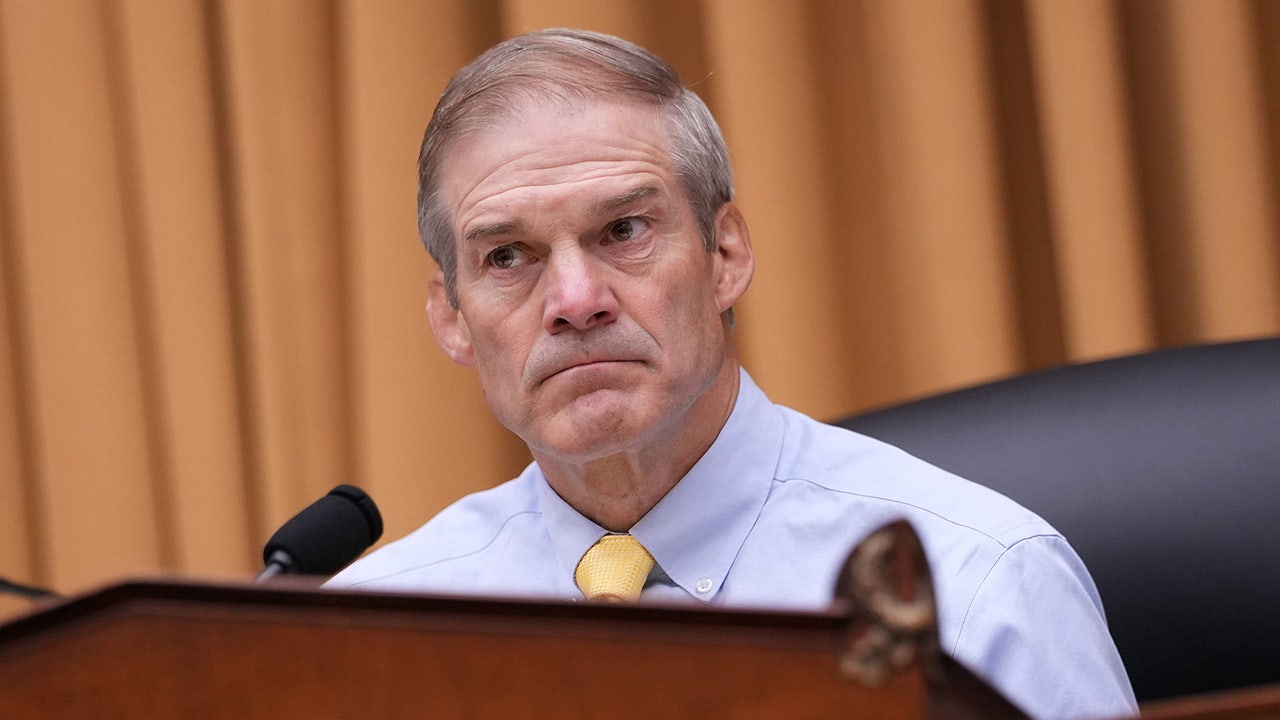
Rep. Jim Jordan of Ohio was picked by House Republicans to lead their minority starting in January, winning 106 to 73 in a closed-door vote. He says the party wants to pass as much of its agenda as it can while it still holds the majority, since Democrats will soon control both chambers.
Jordan expects Democrats to launch investigations into Trump's Cabinet, family, and business interests, and he predicted a third impeachment. He also pledged that Republicans will make sure members show up for key votes.
King County Judge Sean O'Donnell has won Washington's tightest state Supreme Court race after a week of counting.
He leads appeals court Judge Ian Birk by about 39,000 votes, or 1.4%, with under 100,000 ballots left to count. The race was the costliest of the year's Supreme Court contests, with O'Donnell raising $614,000 and Birk $643,000. Days before the vote, the state Public Disclosure Commission stopped enforcing donation limits, a move O'Donnell called shocking while voting was underway.
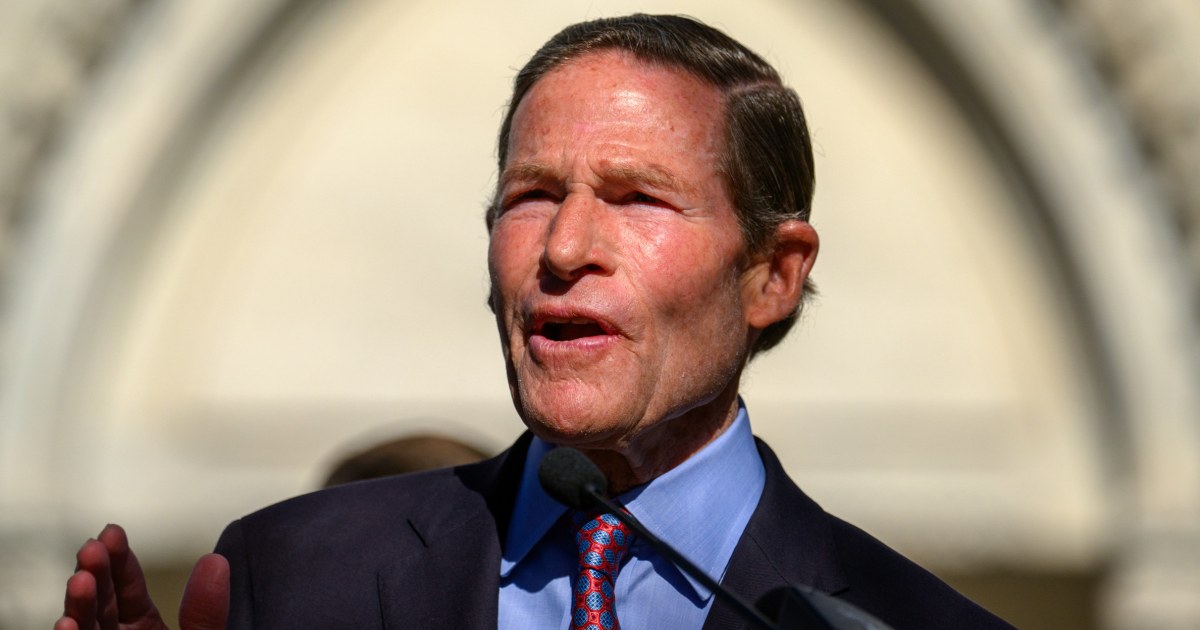
A Texas-based U.S. attorney has demanded that Sen. Richard Blumenthal preserve records from his probe of donors to the White House ballroom, warning of legal fallout if he refuses.
Aaron Reitz argues the inquiry harasses citizens, and he posted the letter on X. Acting Deputy Attorney General Trent McCotter backed him, citing First Amendment protections for speech and association.
Blumenthal, the top Democrat on the relevant subcommittee, said the letter won't stop him. He sent back his own demand that Reitz preserve his records, including those tied to writing the letter.
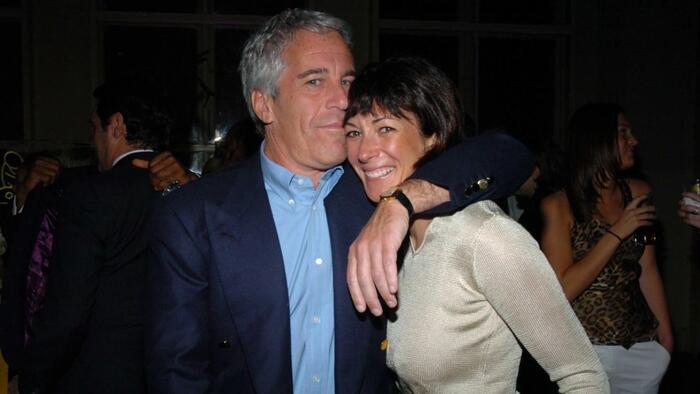
House Oversight Republicans released their final Epstein report Tuesday. It concludes that federal law enforcement and prosecutors repeatedly failed, and that Epstein's crimes after 2005 could have been prevented.
The 15-month probe blames a 2007 non-prosecution deal for much of that failure. Bill Gates, Leon Black and a former Obama White House counsel are among those named, though no documents implicate President Trump.
Committee Democrat Robert Garcia, who is set to lead the panel in January, called the report incomplete and promised public hearings.
 US Politics Daily@uspoliticsdaily