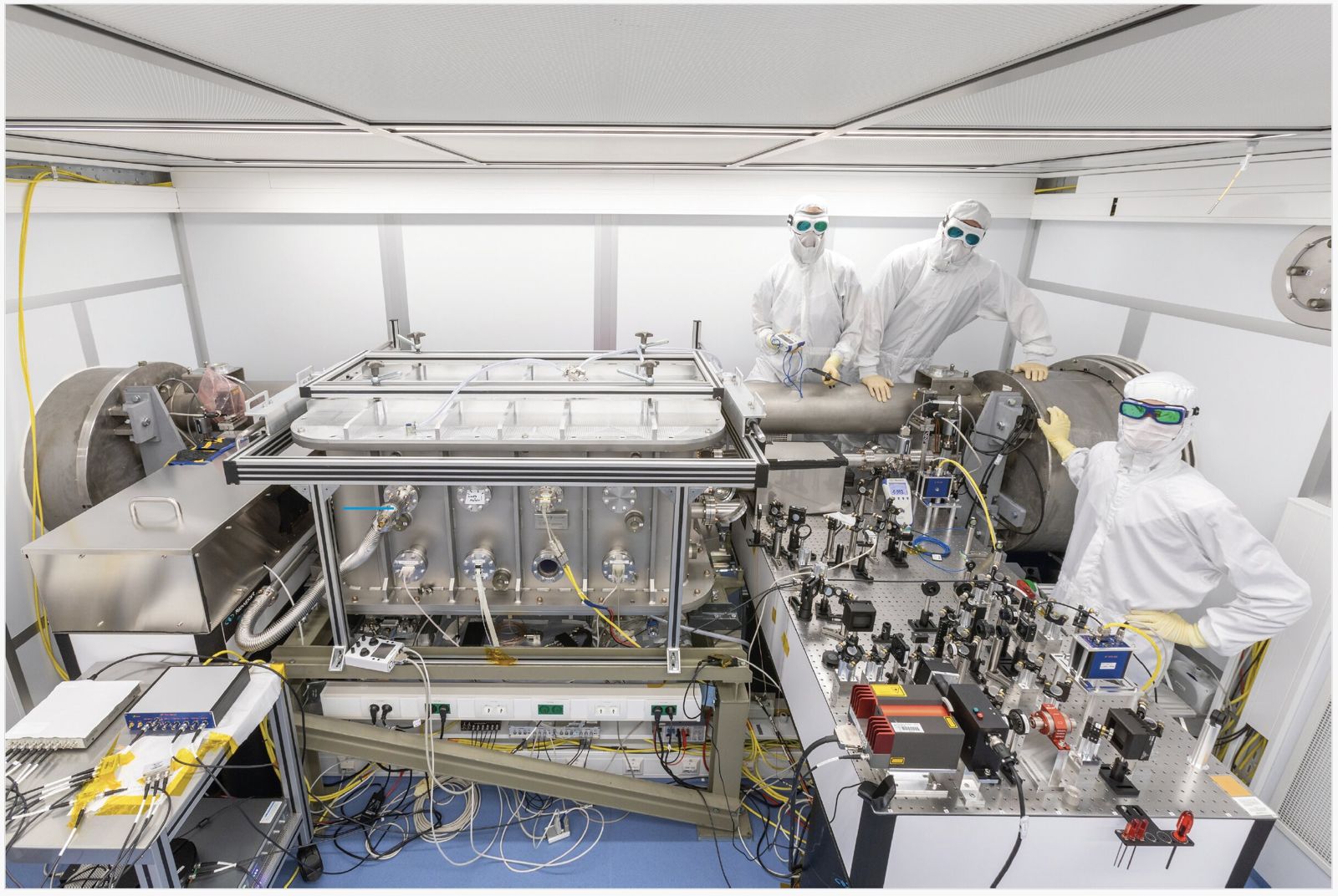
ALPS II physicists have shared first results from the most sensitive lab-based search for hypothetical axions.
The first run found no sign of them, but the results will guide later runs in the hunt for a strong dark matter contender.

5 posts
ALPS II physicists have shared first results from the most sensitive lab-based search for hypothetical axions.
The first run found no sign of them, but the results will guide later runs in the hunt for a strong dark matter contender.

Physicists at the Large Hadron Collider are seeing fewer 'penguin' decays of B mesons than the Standard Model predicts, plus an odd pattern in the directions the particles travel.
The team studied about 650 billion B meson decays. The result falls short of discovery level, and part of it may come from hard-to-predict 'charming penguin' effects. A separate analysis at the CMS detector hints at a similar result.
Imperial College's Mark Smith says explaining penguin decays could also point towards dark matter, and expects the question to be settled within 5 to 10 years.

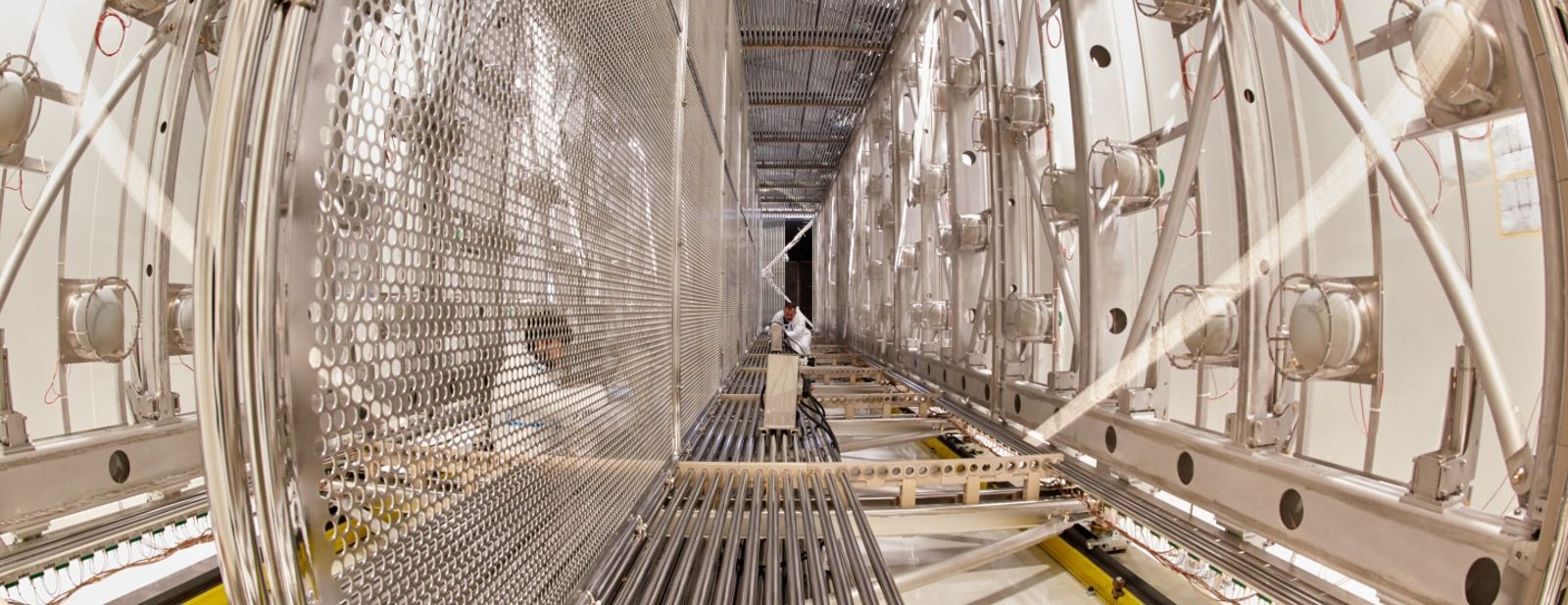
A machine-learning program called SPINE is on the trail of neutrinos, nearly massless particles that barely interact with ordinary matter.
Studying them could help answer major questions, such as the nature of dark matter and why matter exists at all.

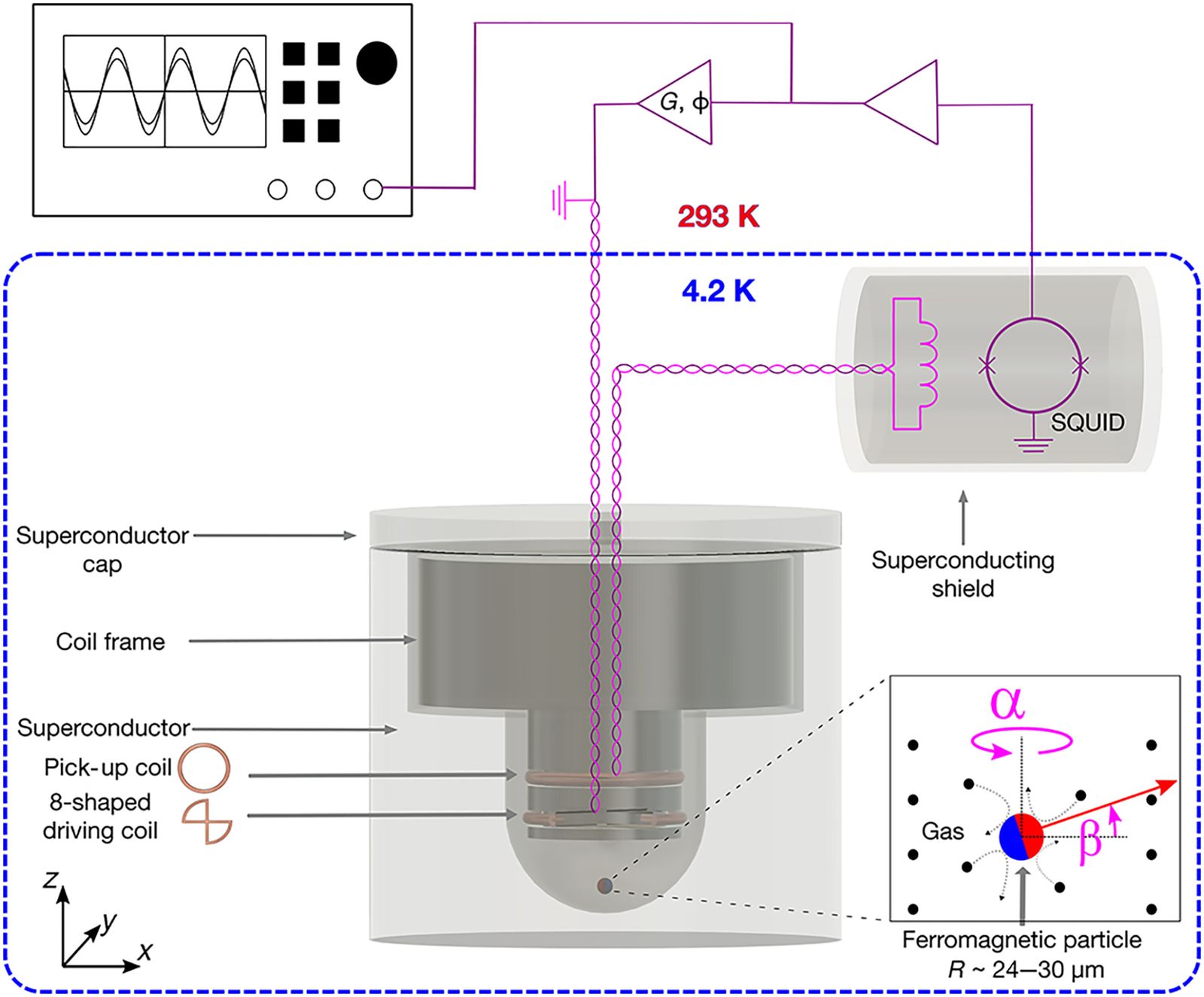
A magnet that floats and spins has been pushed to a new speed record, and it might help physicists hunt for dark matter.
Lacking contact friction, these tiny magnets can sense very faint forces and fields. Adding extreme cold cuts unwanted motion even further.

Researchers have picked up faint signs of a rare particle decay from a scale about 100 billion times smaller than an atom.
The "zeptoverse" framework still leaves open questions about what dark matter truly is and how matter endured the Big Bang.