Northwestern University

2 posts

Astronomy Today@astronomytoday

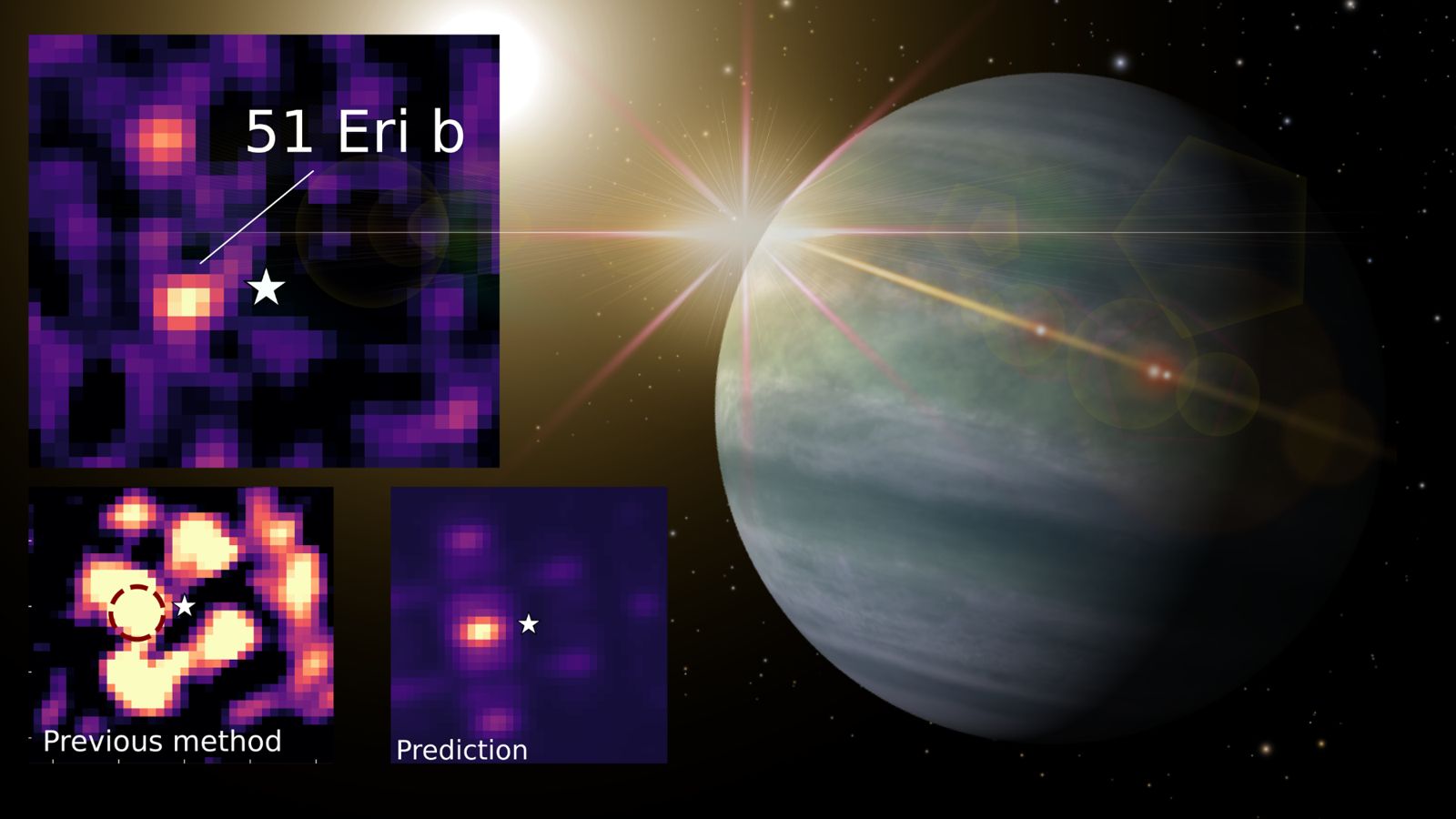
Astronomers have spotted the giant planet 51 Eridani b in James Webb Space Telescope data by filtering out its star's glare. Ground telescopes first detected it in 2015.

The gas giant is about 11 times Jupiter's mass and lies 97 light-years away. A digital twin of the telescope helped strip out leftover glare, and the method picked out faint planets two to 15 times better than standard techniques.

The Northwestern University team published the work in Nature on November 4, and the approach may help NASA's planned Habitable Worlds Observatory.

Giant exoplanet emerges from the dark when the James Webb Space Telescope turns out the starlight
Physics Guy@physicsguy

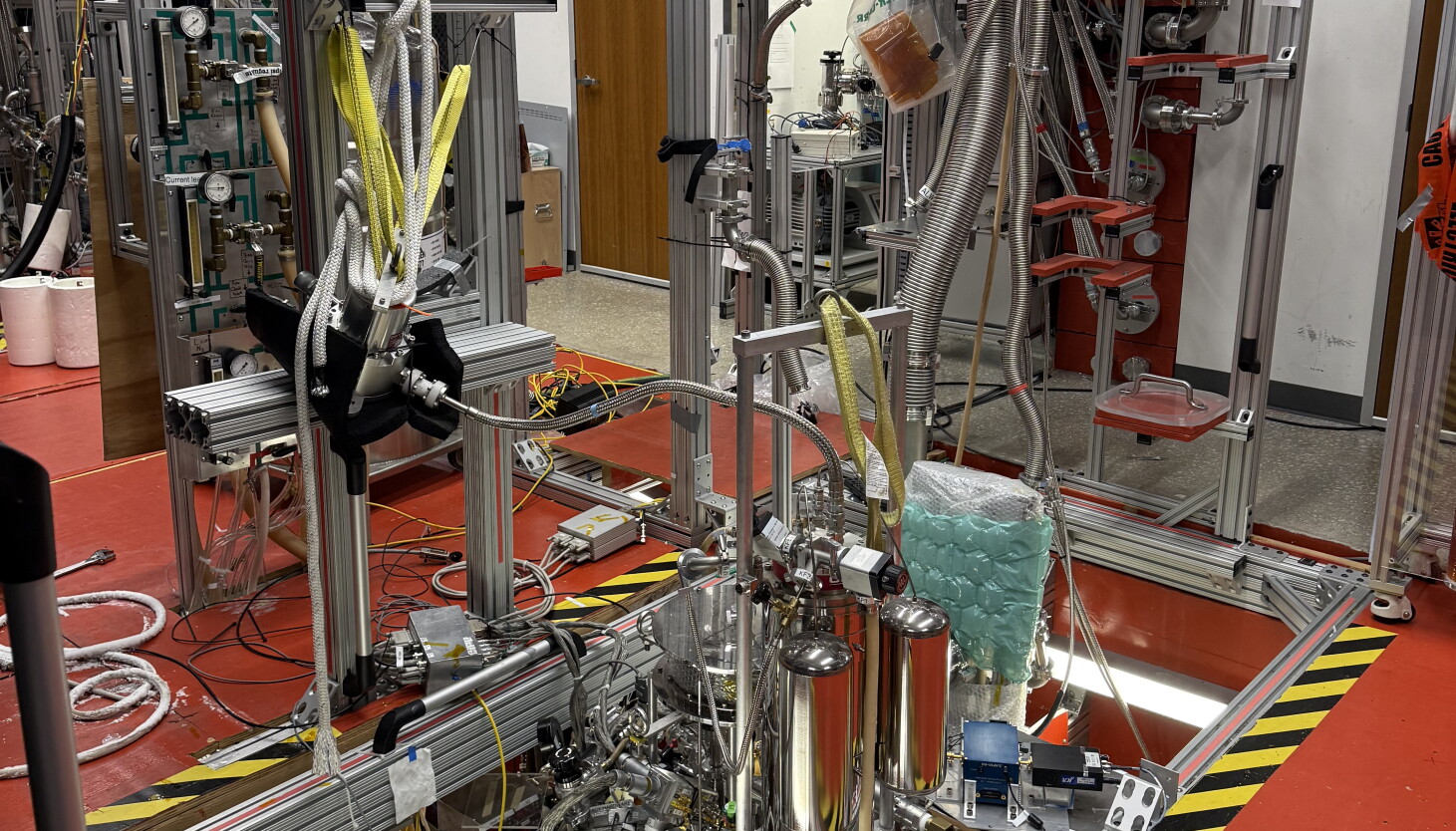
Northwestern University physicists have trapped a single positron, the antimatter twin of the electron, for months. They used electric and magnetic fields to freeze it in place.

Antimatter vanishes on contact with ordinary matter, so the team built a wall-free trap from batteries and magnets. Comparing the positron's magnetic properties with an electron's could expose a flaw in the Standard Model.

The team hopes the results will help solve a puzzle: the Big Bang should have made equal amounts of matter and antimatter.

Northwestern physicists trapped an antimatter particle in a lab for months. Here's why it matters