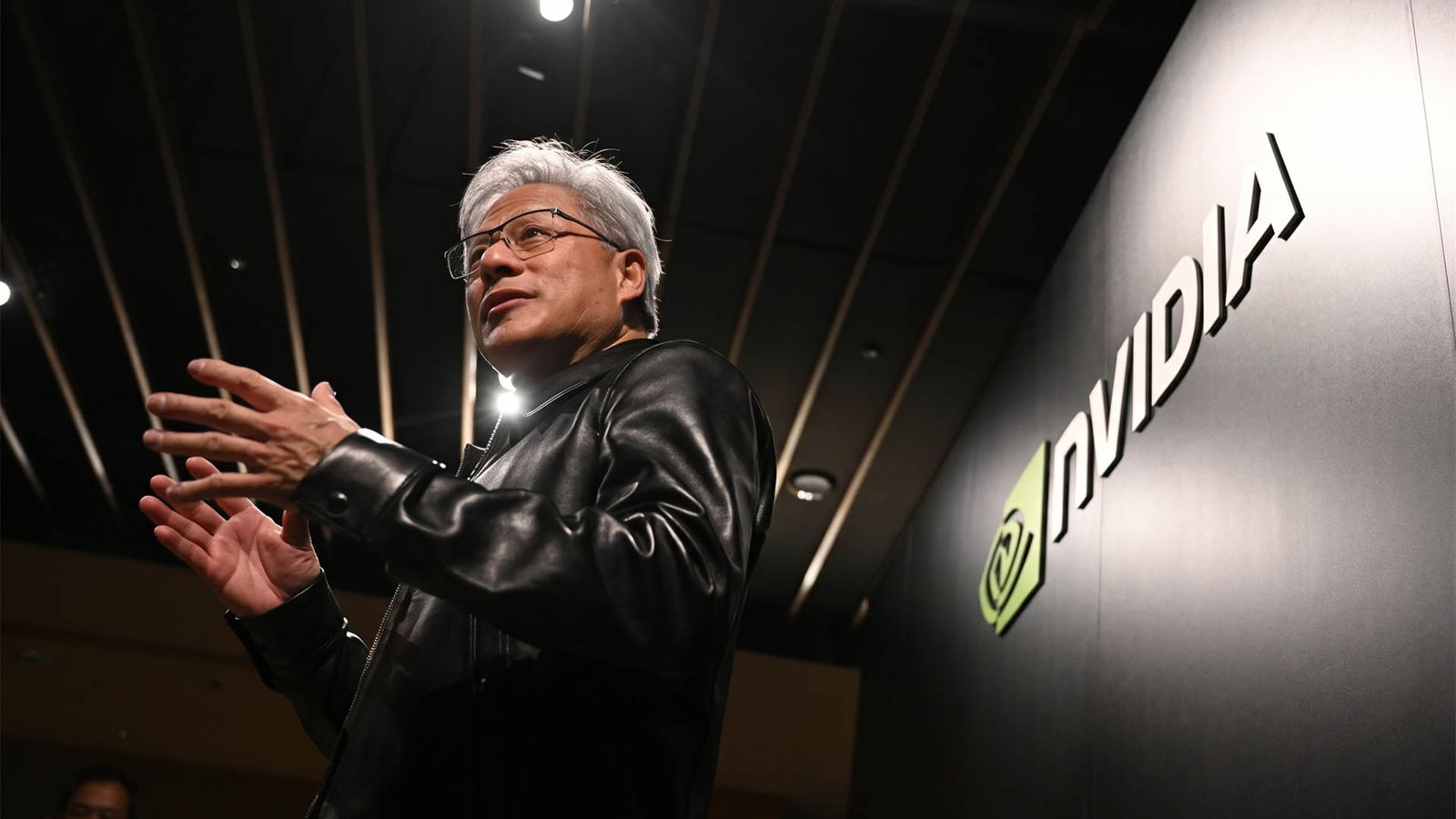
Firms linked to businesswoman Alice Huang have invested in Chinese AI firm DeepSeek and pledged to supply it with Nvidia's Blackwell chips.
Singapore has warned her and banned her from returning after finding she gave investigators false information. Police say she tried to play down her role at Megaspeed, a data centre firm that is still under investigation over suspected false declarations on server purchases.
Her ties to Nvidia CEO Jensen Huang go back several years, to when her husband, investor Kang Weigh, brought them together.
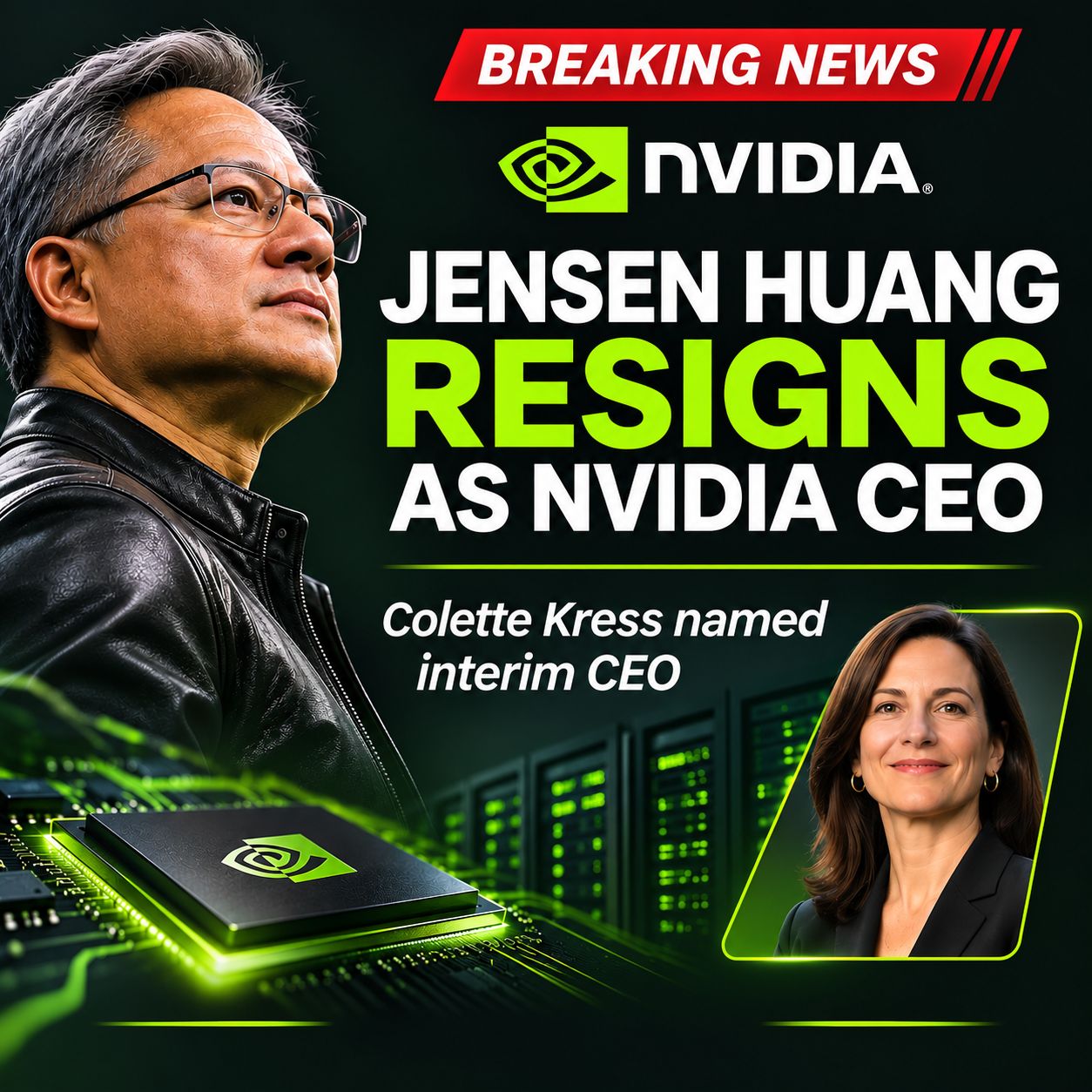
Colette Kress is now Nvidia's interim CEO and has pledged to keep the chipmaker at the centre of AI. She admitted the firm is going through a very hard stretch.
Her first job is steadying things after founder Jensen Huang resigned over allegations of an affair, including with a woman reportedly tied to Chinese intelligence, a link China has denied.
Kress, a former CFO who joined in 2013 when Nvidia was mainly a gaming chip maker, helped steer its shift to AI and led talks on a $30 billion OpenAI investment.
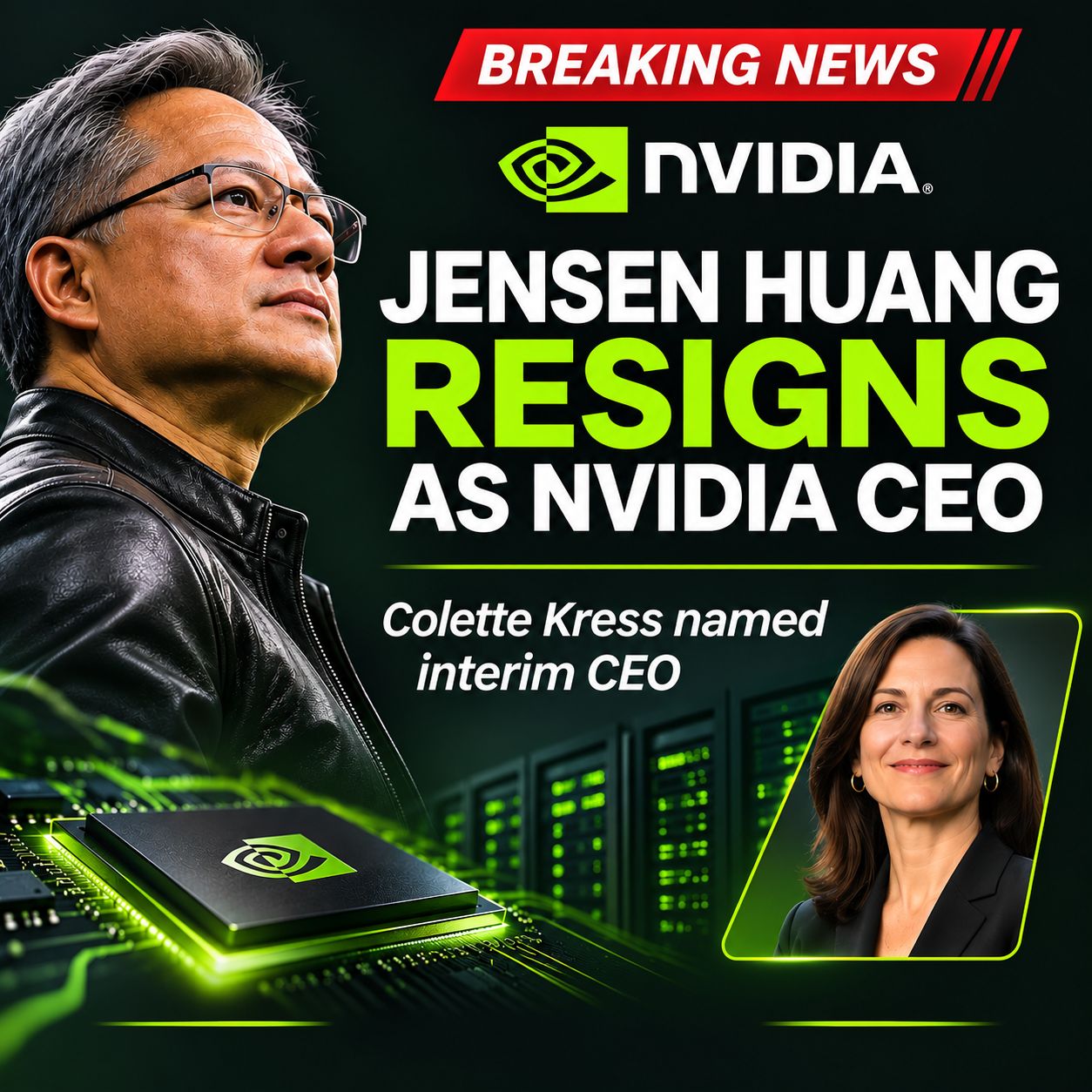
Jensen Huang has stepped down as Nvidia's CEO, effective immediately.
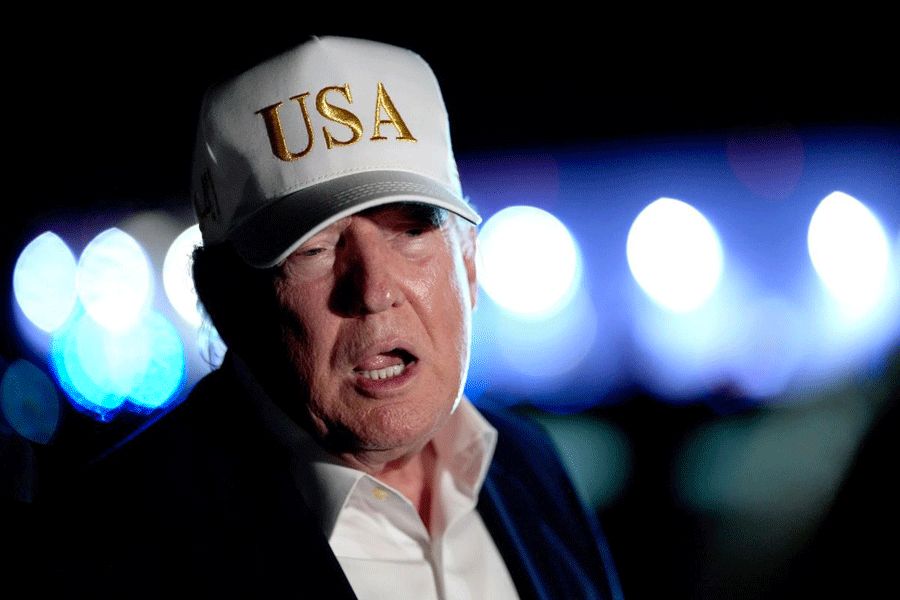
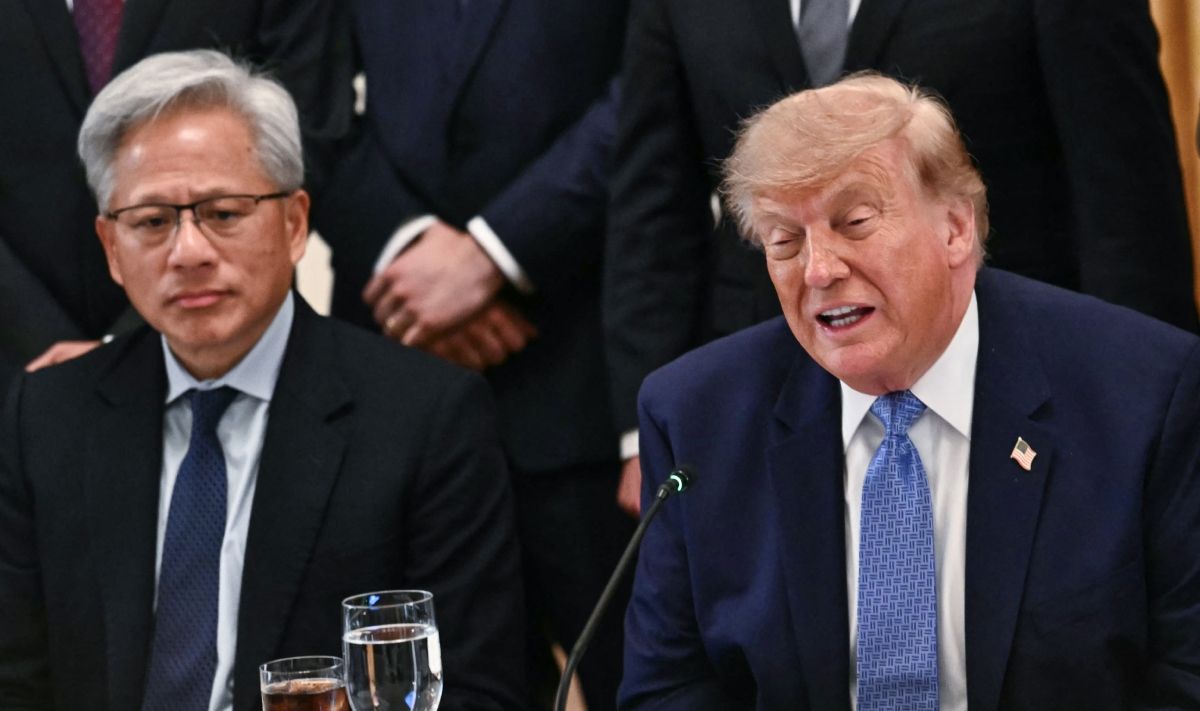
US President Donald Trump said Thursday that former Apple CEO Tim Cook should take over at Nvidia. The departure adds uncertainty to the future of the AI industry.
Reposting with verified info as allegations are not yet confirmed-
The End of an Jensen Huang Era Resigns from NVIDIA**
Jensen Huang, co-founder and CEO of NVIDIA, has resigned with immediate effect after leading the company for more than 33 years.
NVIDIA has appointed its longtime CFO, **Colette Kress**, as interim CEO while the board searches for a permanent successor.
Huang transformed NVIDIA from a graphics-chip manufacturer into the powerhouse behind the global AI revolution. Its GPUs became the foundation of the modern AI industry, powering data centres and some of the world's most advanced AI models.
But his sudden exit raises a bigger question:
**Can a company built around one visionary leader continue its dominance without him?**
The AI revolution may have just entered an unexpected new chapter.
Jensen Huang, co-founder and CEO of NVIDIA, has resigned with immediate effect after leading the company for more than 33 years.
The departure follows mounting controversy surrounding reported personal relationships and allegations involving a suspected Chinese intelligence connection.
NVIDIA has appointed its longtime CFO, **Colette Kress**, as interim CEO while the board searches for a permanent successor.
Huang transformed NVIDIA from a graphics-chip manufacturer into the powerhouse behind the global AI revolution.
Its GPUs became the foundation of the modern AI industry, powering data centres and some of the world's most advanced AI moldels
**Can a company built around one visionary leader continue its dominance without him?**
The AI revolution may have just entered an unexpected new chapter.
Nvidia CEO Jensen Huang now faces allegations that reach well beyond his private life. He is accused of an affair with a Chinese businesswoman that allegedly helped move billions of dollars' worth of AI chips subject to US rules into China.
A network of companies across China and Southeast Asia is alleged to have passed Nvidia processors, including some covered by US export controls, on to Chinese businesses. The shipment involved is said to be worth at least $7.5 billion.
AI training startup Mercor has raised $750 million in a Series D round that values the company at $20 billion.
Investors include Benchmark, Felicis, Fundomo, Nvidia and funds tied to Apollo. Mercor began as an AI hiring platform and now links tech companies with specialists whose knowledge helps teach and assess AI models and agents.
The San Francisco company says the new capital will go toward evaluating and teaching agents to handle professional work. It was valued at about $10 billion after a $350 million raise in October 2025.
Nvidia CEO Jensen Huang has admitted to an affair with a woman US intelligence reportedly concluded was passing information to Beijing. He apologised to his wife and the company in an open letter, expressing remorse.
Donald Trump said Huang told him he was unaware the woman was an agent, and that he believed him. The FBI is looking into the matter, and Nvidia's board has launched an independent inquiry.
The board says it has no reason to think national security or company secrets were compromised. China has rejected the spying accusations.
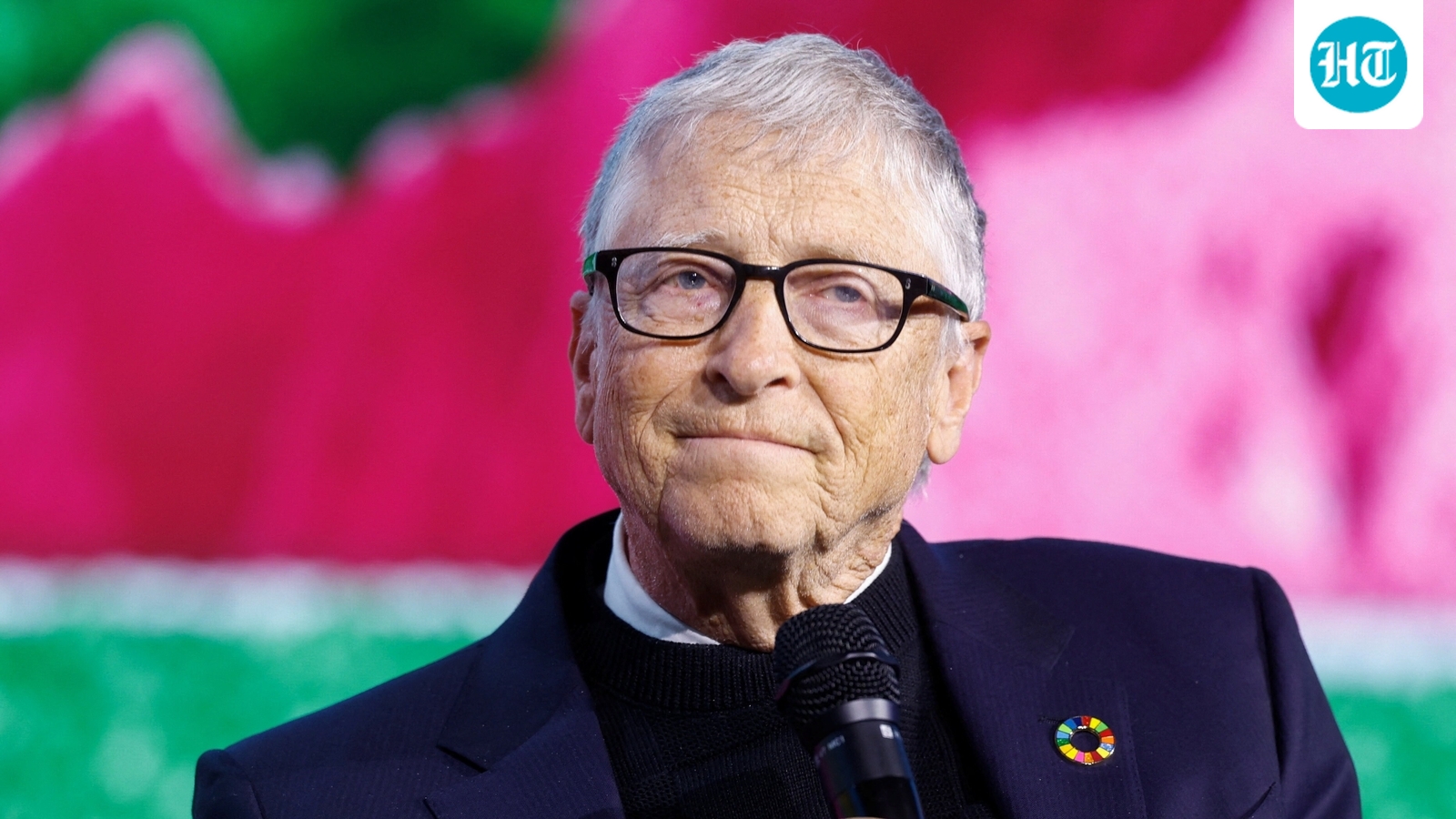
Bill Gates says governments, not charity, must tackle the inequality AI could widen, and that tax rules for the richest need rethinking. He says voluntary giving cannot act as a safety net.
He has pledged nearly all of his roughly $100 billion fortune to his foundation, but says giving cannot replace public policy. He also suggests taxing robots and AI tools, since hiring workers brings payroll taxes while buying a machine can count as a business expense.
Nvidia CEO Jensen Huang backs people paying taxes but disagrees with taxing robots.
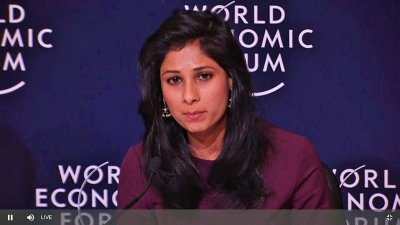
Former IMF chief economist Gita Gopinath expects AI valuations to fall at some point, though the timing is impossible to call. On Raj Shamani's podcast, she questioned whether AI firms can ever earn back that spending.
Close to $1 trillion is projected to go into AI worldwide in 2026 alone. She warned a sharp downturn could leave US growth flat or negative, and noted that Nvidia invests in labs that buy its chips, so trouble at either would ripple outward.
She also urged young professionals to keep sharpening their own thinking instead of leaning on chatbots.
Microsoft is winding down its AI computing partnership with Oracle, choosing not to renew a 2023 deal and gradually switching off rented servers. The machines run on older Nvidia chips that no longer match its needs.
Oracle is already under strain, with heavy AI data center spending pushing free cash flow negative and its share price down more than 50% from a June high. Its shares slipped about 3% on the news.
Oracle says demand for its AI infrastructure, even on older hardware, remains strong.
Three House committee leaders want NVIDIA CEO Jensen Huang to attend a private briefing on November 18.
They want answers on NVIDIA's espionage safeguards and his past dealings with Alice Huang, a Megaspeed executive under US surveillance for allegedly passing technology to China.
A security research firm found that 32 B300 GPUs, which are on the US export control list, appear to be deployed at China Telecom. Jensen Huang has until November 11 to accept the date or propose another.
 Indian Entrepreneur@indianentrepreneur

 Ankur Tiwari



 US Politics Daily