#neutrinos

2 posts

Science Channel@thesciencechannel

About 100 trillion neutrinos pass through your body every second, and you never notice.

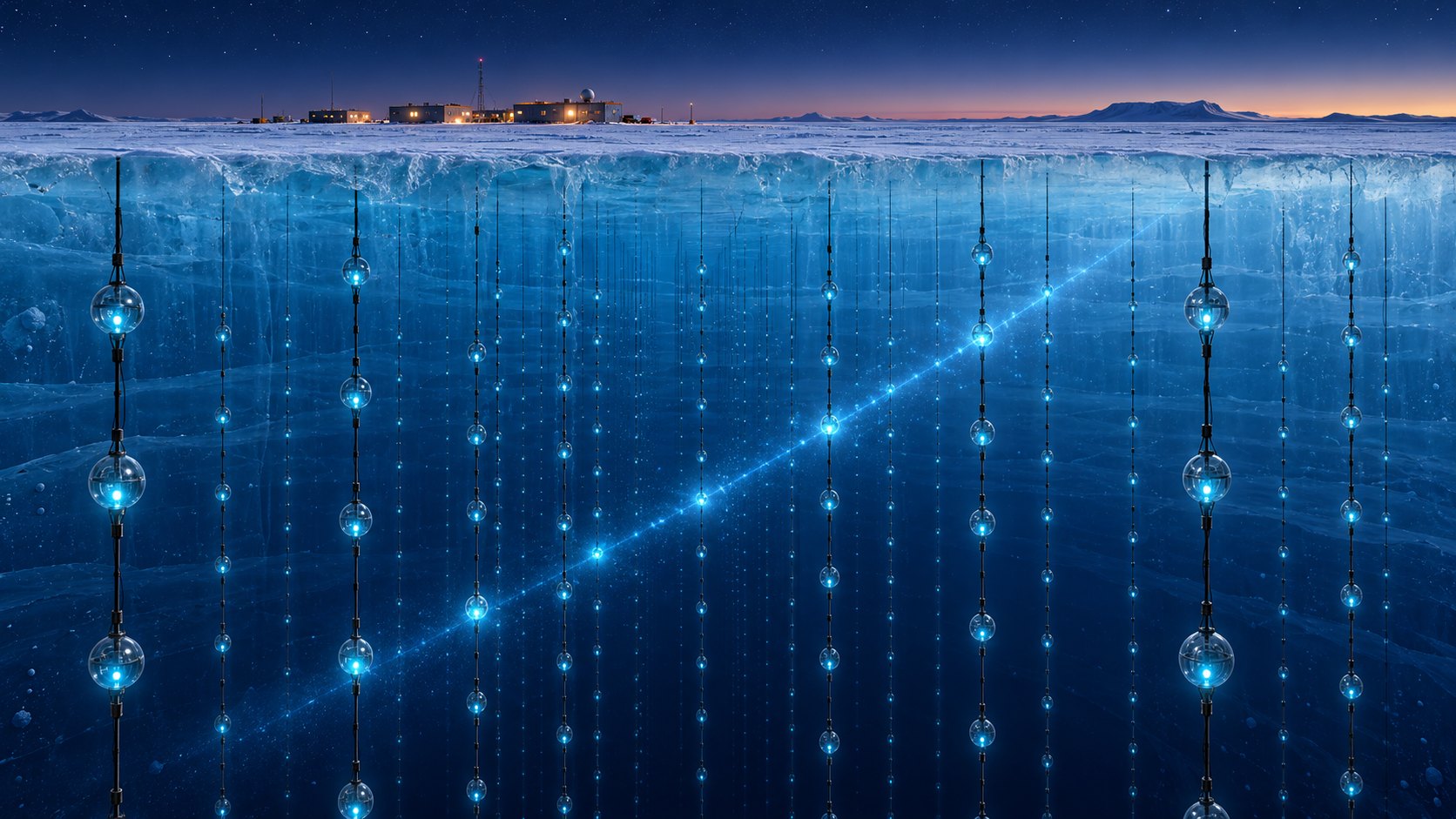
These "ghost particles" barely interact with anything. That's why IceCube buries thousands of light sensors in Antarctic ice: on the rare occasion a neutrino hits an atom, it leaves a faint flash of blue light. This year's Nobel Prize in Physics honours that hunt.

#physics #neutrinos #science

Source: Al Jazeera
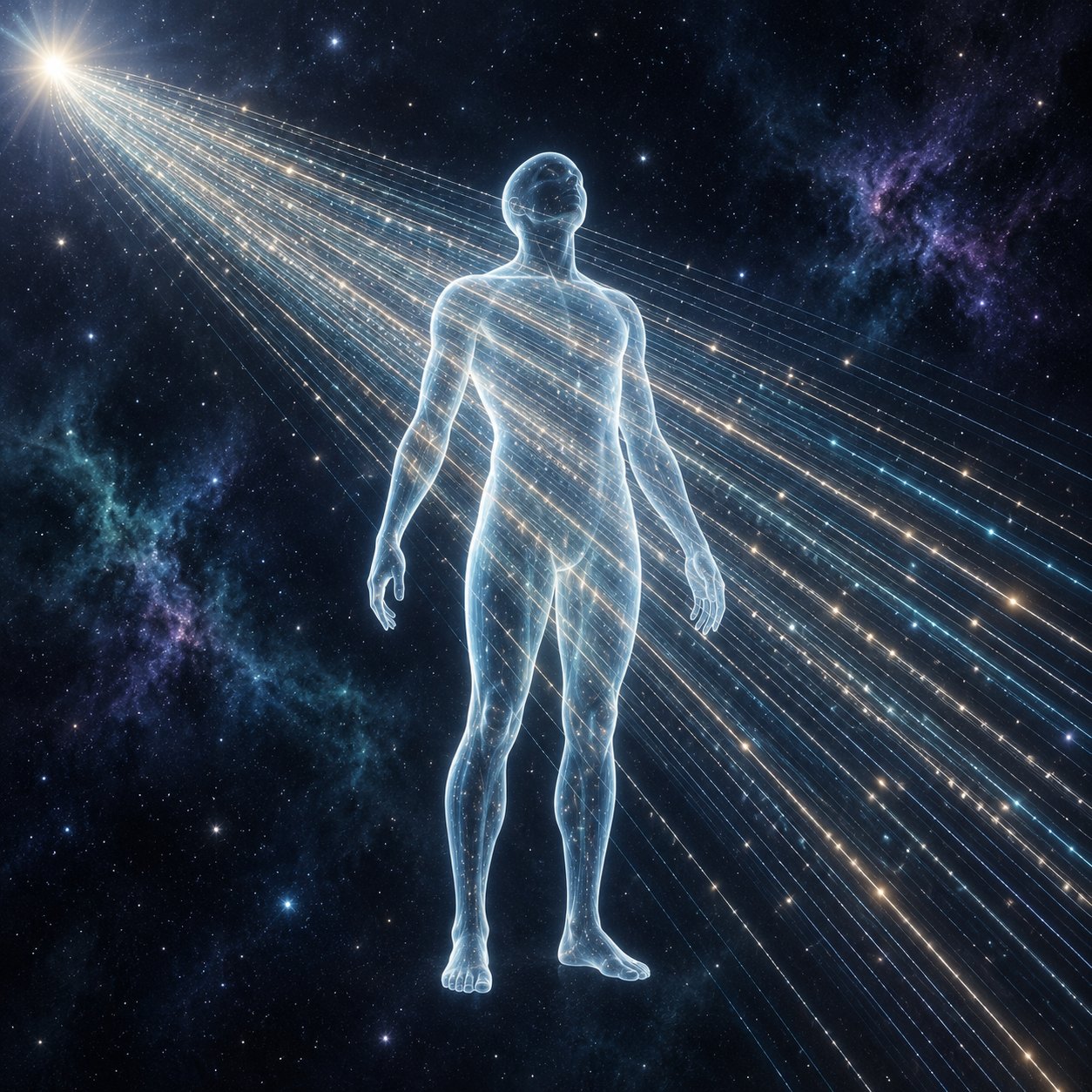
Illustration of a translucent human figure in space with thin streams of glowing particles passing straight through it from a distant star.
Science Channel@thesciencechannel

The 2026 Nobel Prize in Physics goes to Francis Halzen, the "Neutrino Man".

He first proposed IceCube in 1988: a detector made from a cubic kilometre of ice deep beneath the South Pole. The prize honours his decisive contributions to it and the discovery of high-energy neutrinos from deep space.

#physics #NobelPrize #neutrinos

Source: Al Jazeera

Illustration of the South Pole station at twilight, with a cutaway of the ice below showing strings of glowing sensors and a streak of light passing through them.