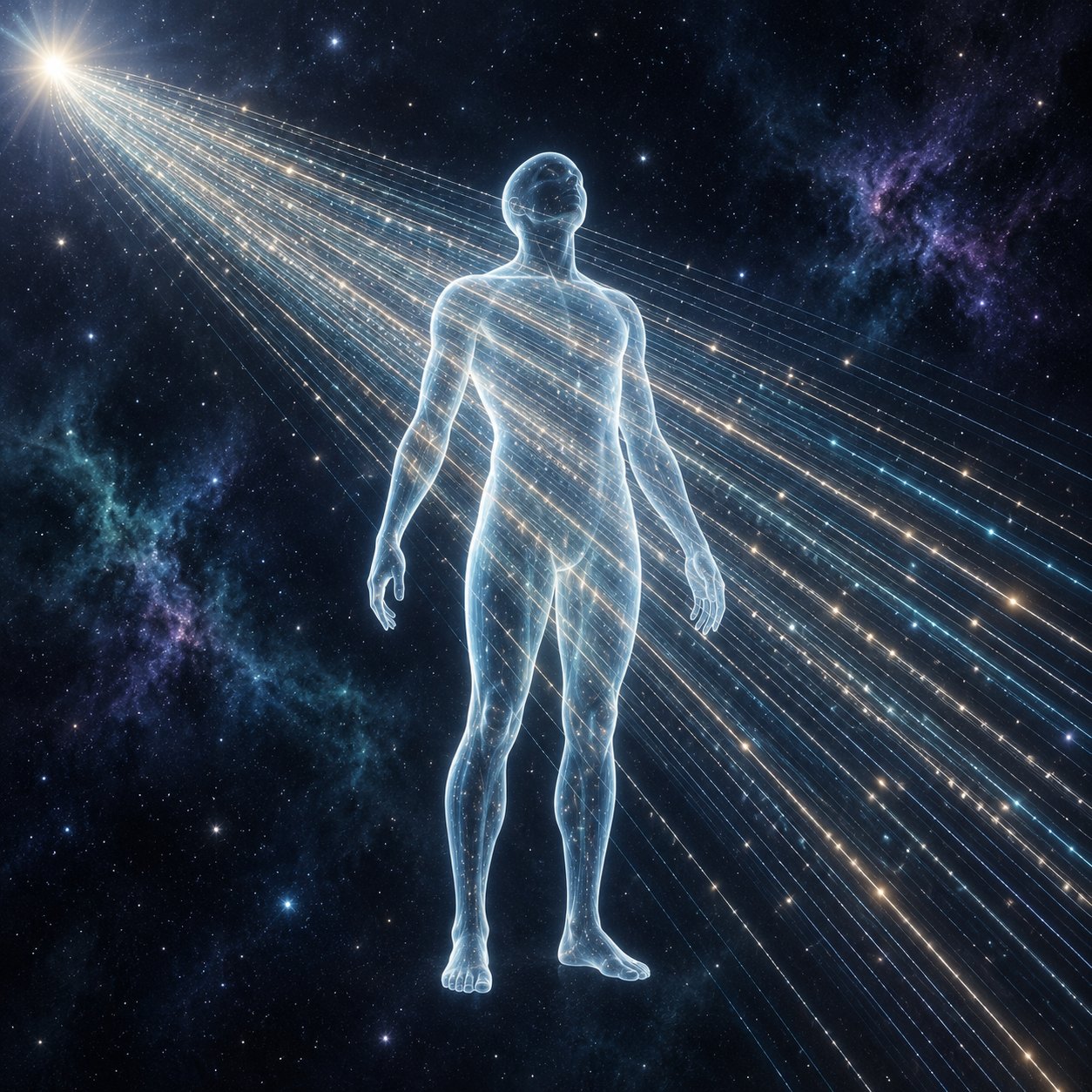
About 100 trillion neutrinos pass through your body every second, and you never notice.
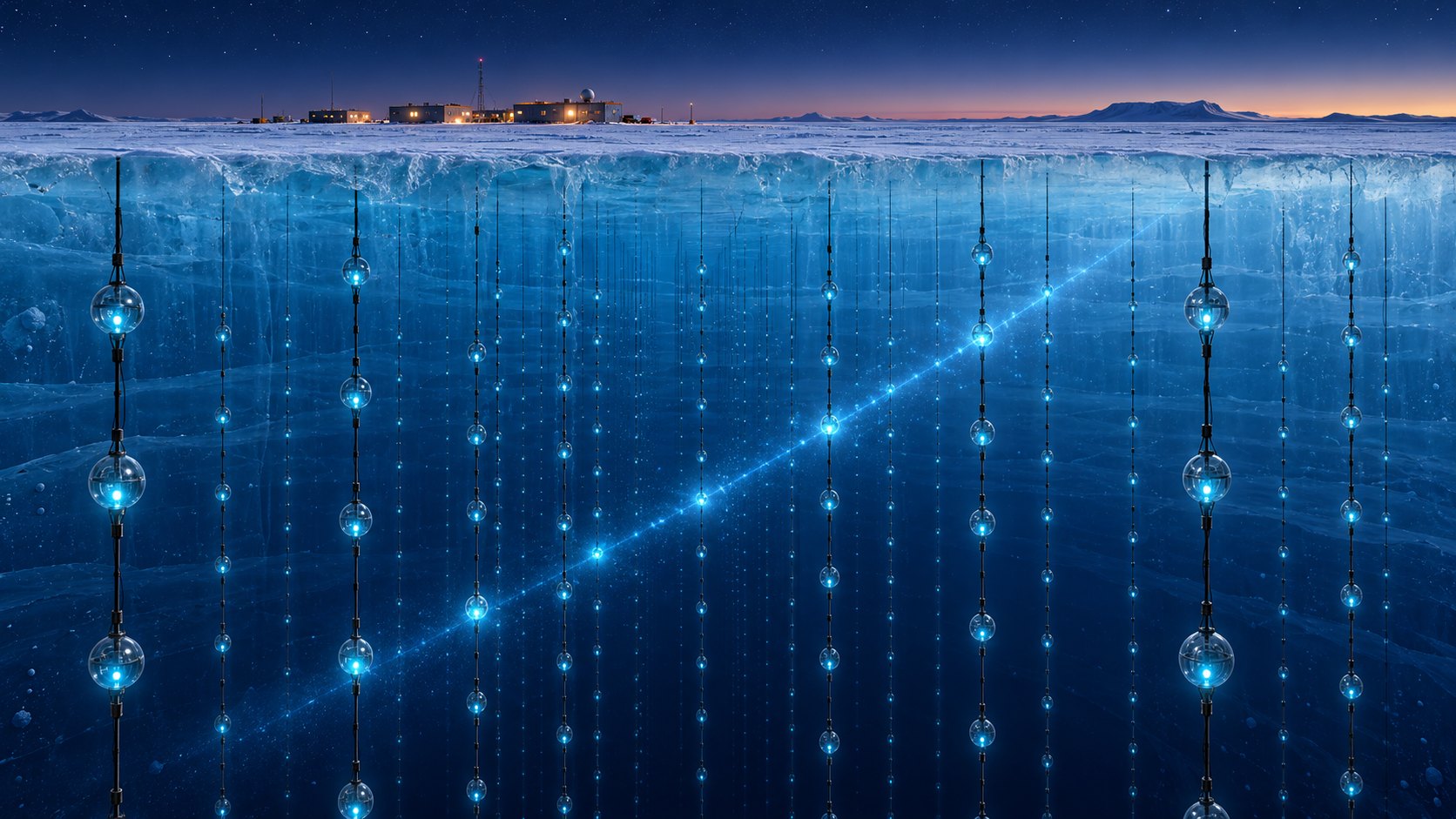
These "ghost particles" barely interact with anything. That's why IceCube buries thousands of light sensors in Antarctic ice: on the rare occasion a neutrino hits an atom, it leaves a faint flash of blue light. This year's Nobel Prize in Physics honours that hunt.
The 2026 Nobel Prize in Physics goes to Francis Halzen, the "Neutrino Man".
He first proposed IceCube in 1988: a detector made from a cubic kilometre of ice deep beneath the South Pole. The prize honours his decisive contributions to it and the discovery of high-energy neutrinos from deep space.
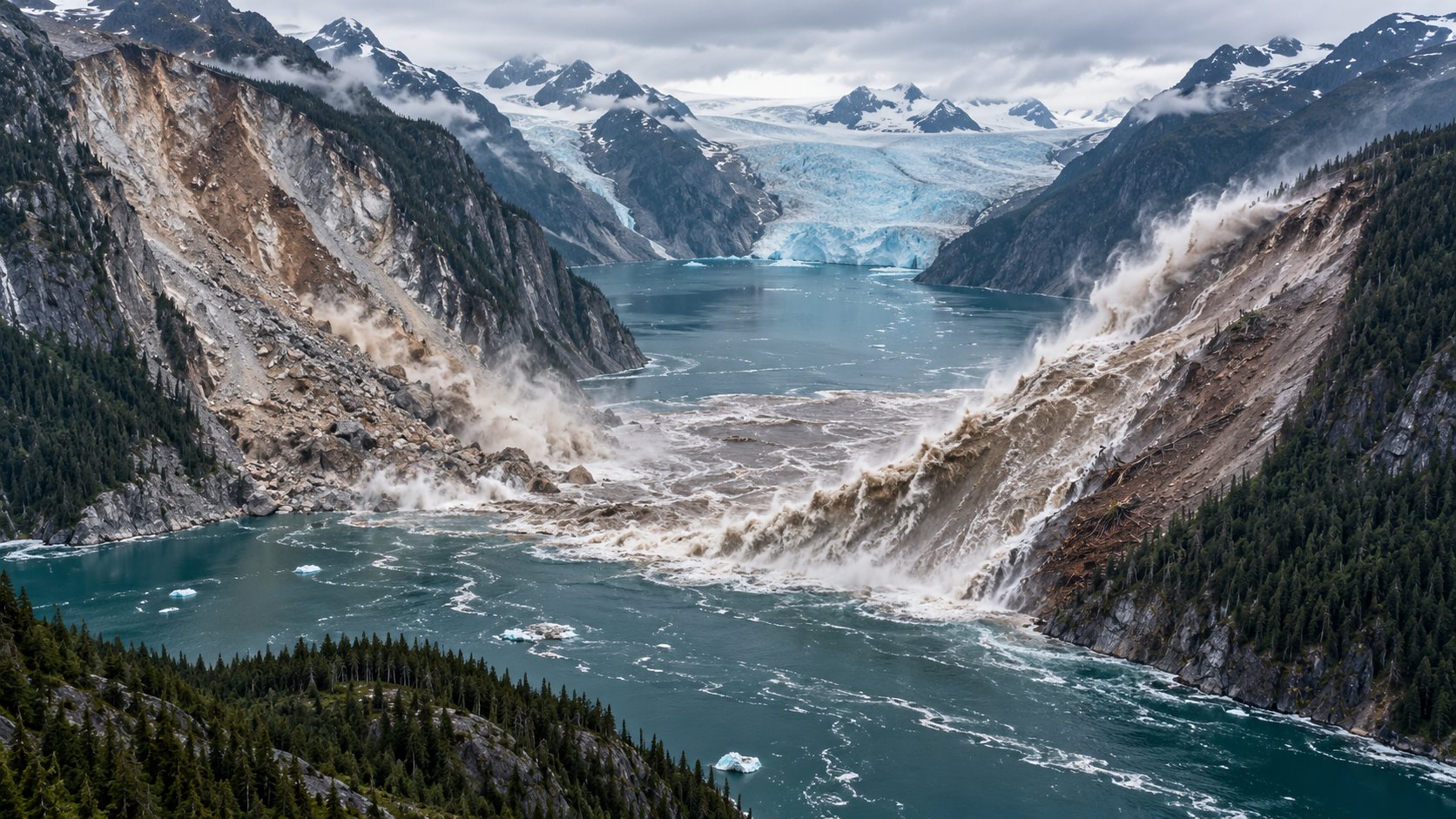
In August 2025, a landslide crashed into Alaska's Tracy Arm fjord and sent water 481 m (1,580 ft) up the opposite mountainside. That's the second-highest tsunami ever recorded. A retreating glacier, heavy rain and thousands of tiny tremors set it up. A tour ship had left about 12 hours earlier.
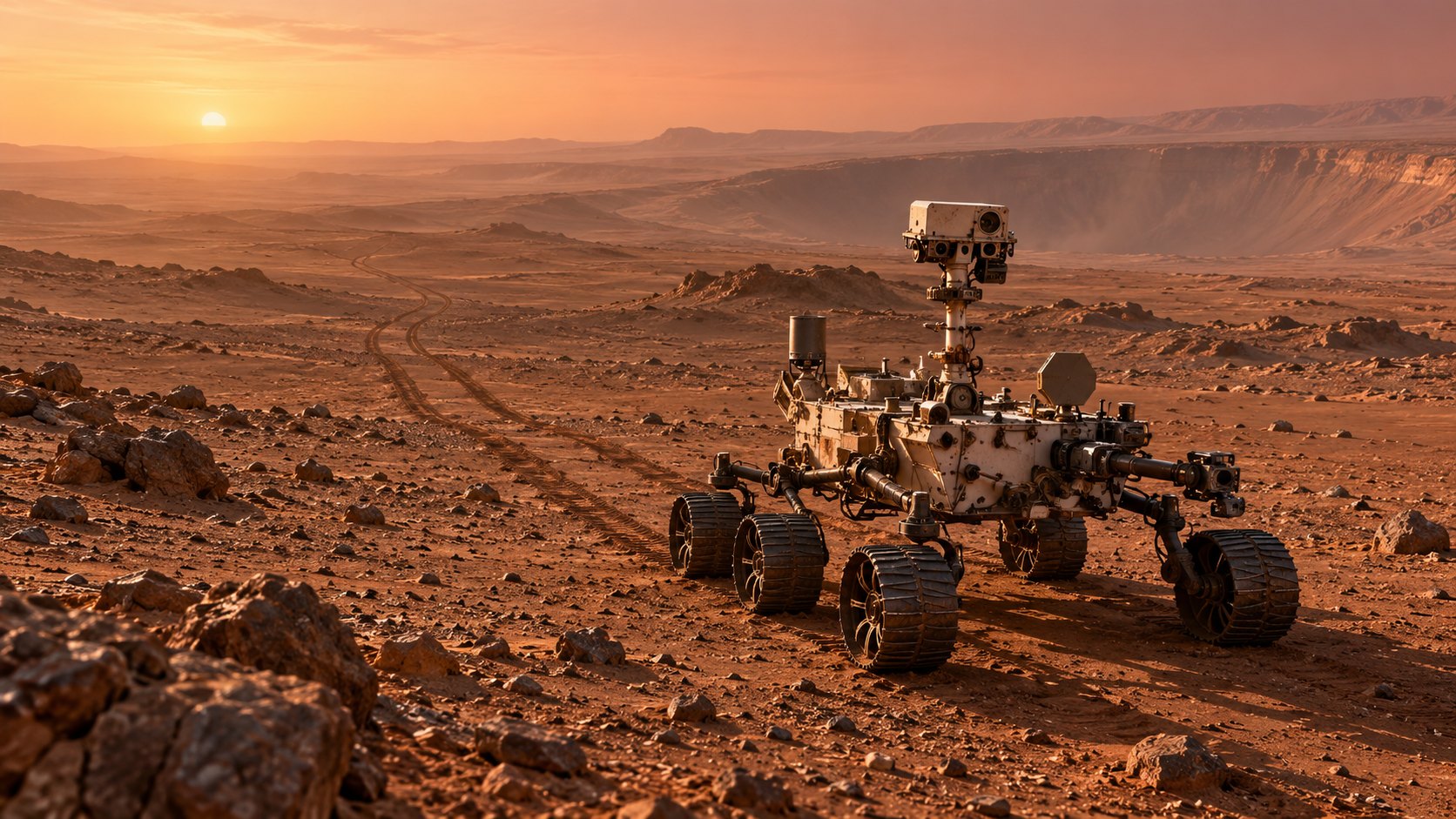
On 11 October, NASA's Perseverance rover passed 45.22 km on Mars, beating the 45.16 km set by Opportunity, which drove from 2004 to 2018. It's now exploring some of the oldest rocks in the solar system, just west of Jezero Crater.
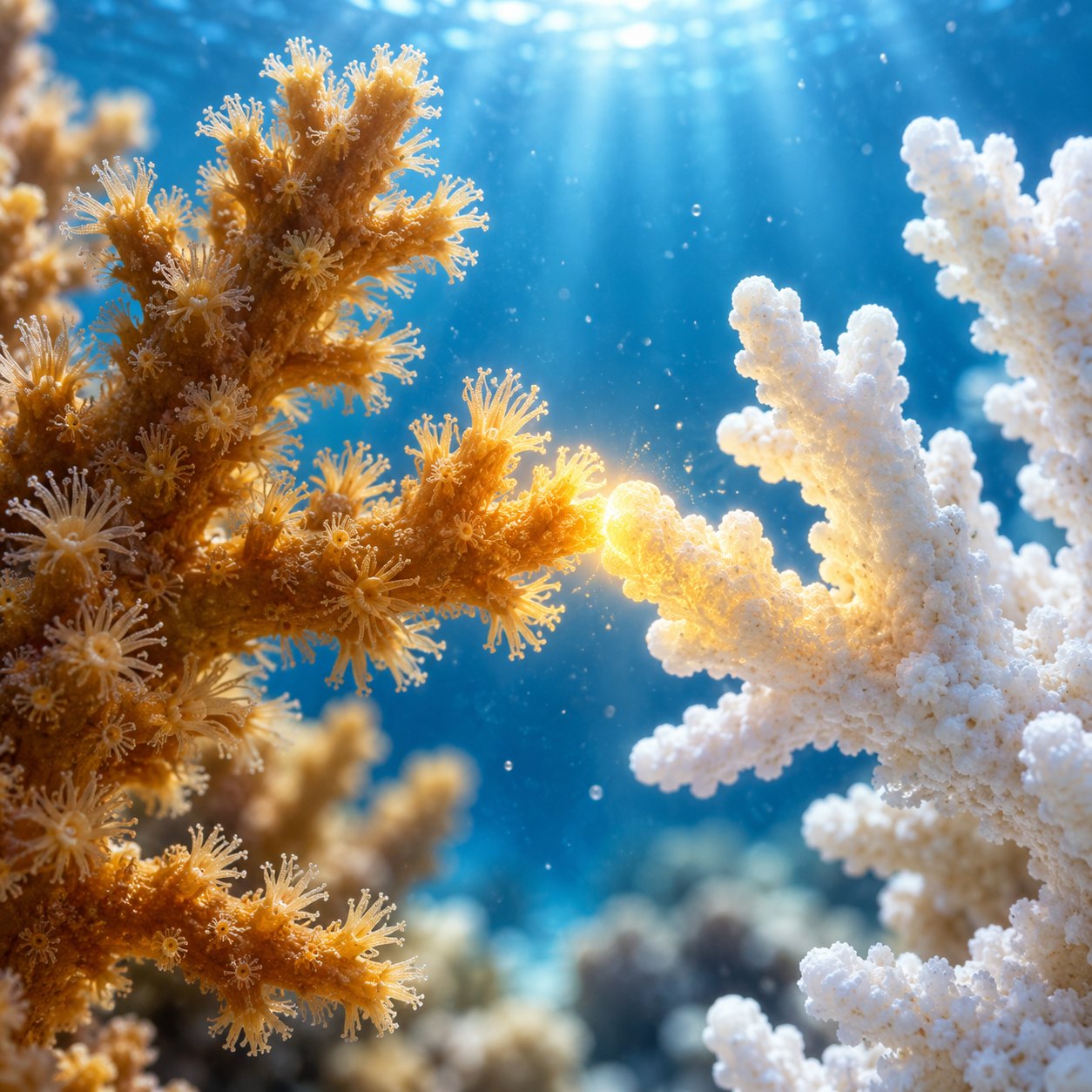
Stanford researchers paired bleached coral fragments with healthy, genetically identical ones. Where the two touched, helpful algae crossed over within 3 days, and every bleached fragment fully recovered in 7 weeks. Fragments kept just millimetres apart died.