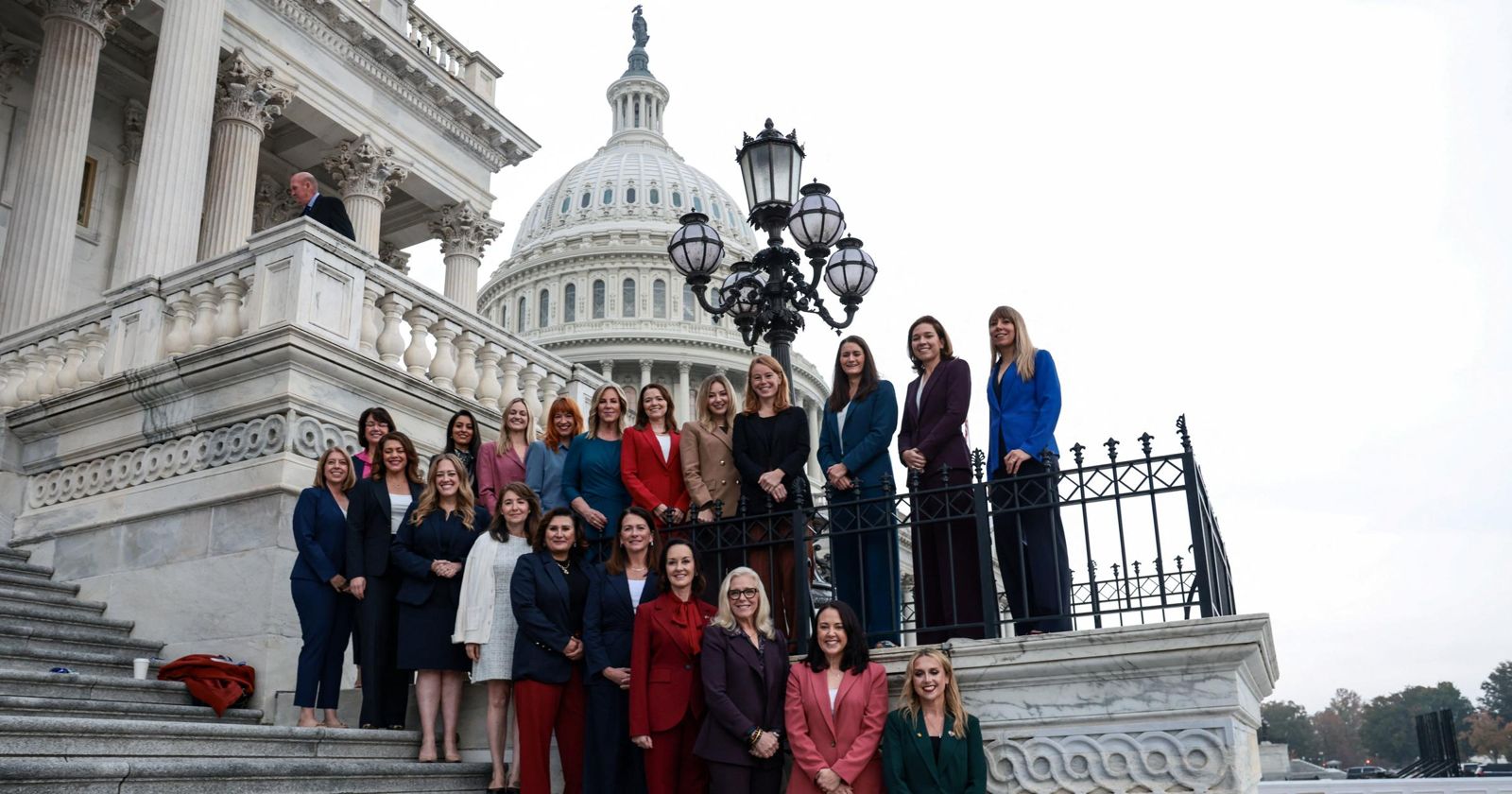
Democrats who will control Congress next year plan a fast start in January. Their early agenda targets voter concerns after the party's strong November 3 showing, including the Iran war, prices and healthcare.
Senator Brian Schatz of Hawaii put a ban on lawmakers trading stocks at the top of his list, alongside ending the Iran war and reversing Medicaid cuts. Republican Senator Josh Hawley of Missouri also backs the stock trading ban and has a bill pending, but Democrats will need Republican votes to reach the 60 votes most Senate bills require.
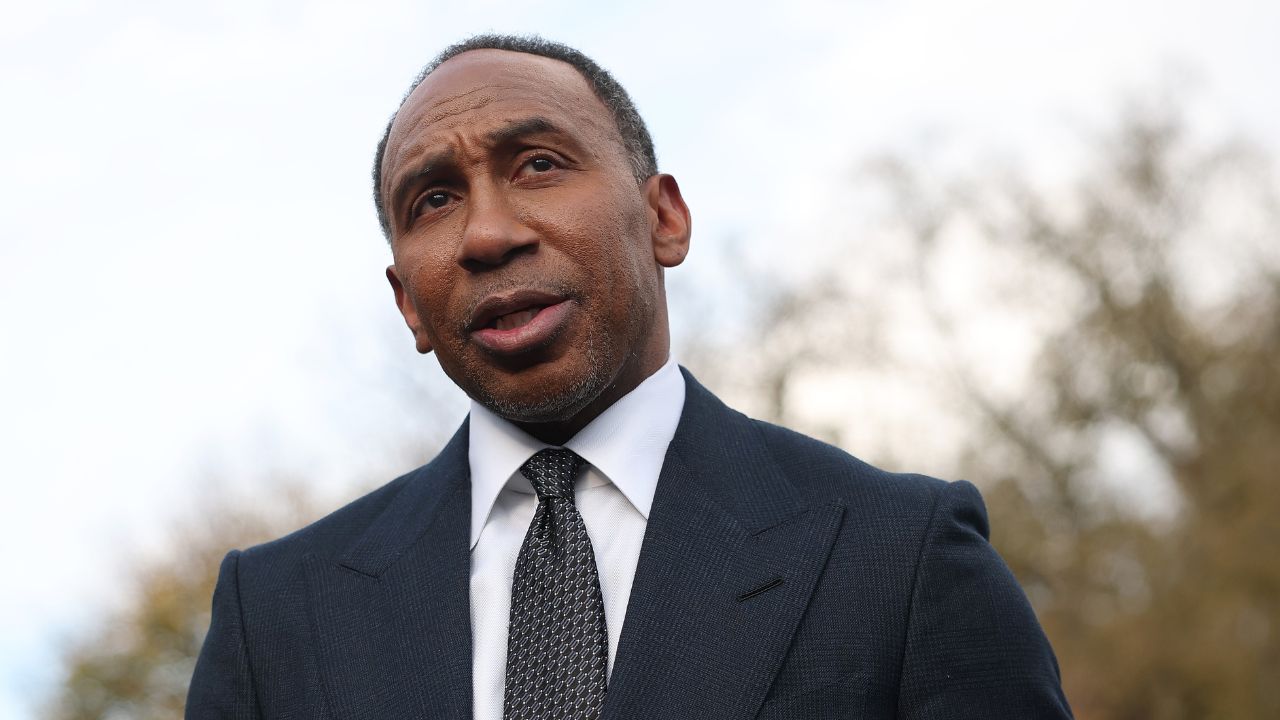
Stephen A. Smith says a 40-minute White House interview with President Trump left him convinced the president won't accept blame for the GOP's midterm losses.
When Smith pressed him, Trump said he was not on the ballot and suggested the Republican candidates were not good enough. Smith disagreed, saying voters were unhappy with how Trump has governed.
Smith also warned that Democrats face a challenge from their far-left flank, which he said makes the party look divided.
The Justice Department now faces new scrutiny from a Democratic-led Congress.
For nearly two years, Republicans controlled Congress and rarely checked the department as it pursued the president's foes, fired career staff and defended policies judges repeatedly questioned.
Democrats are poised to regain control of the House in January, which opens the door to changing how the chamber runs. A new package of House rules is expected to be introduced in the coming weeks, with Democrats expected to hold at least 255 seats.
The party would have to unite behind one package to replace the current GOP rules. Since lawmakers returned after the midterm elections, Democrats have put forward several possible changes.
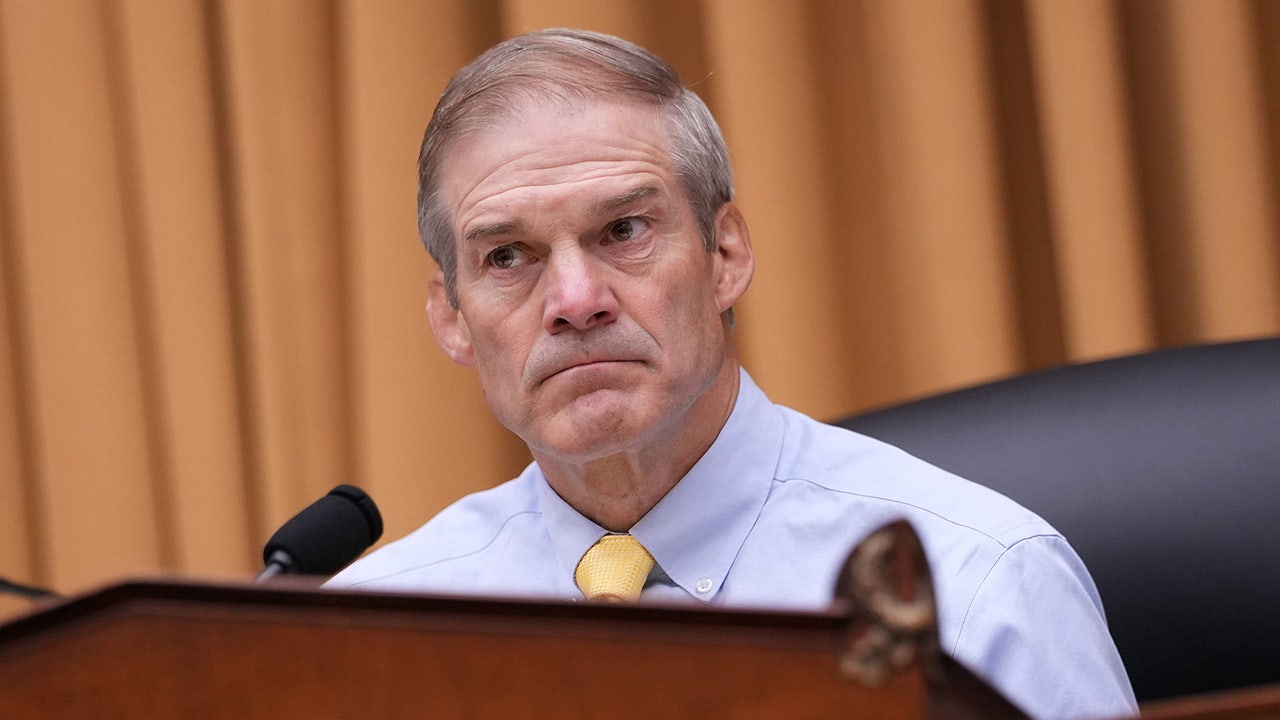
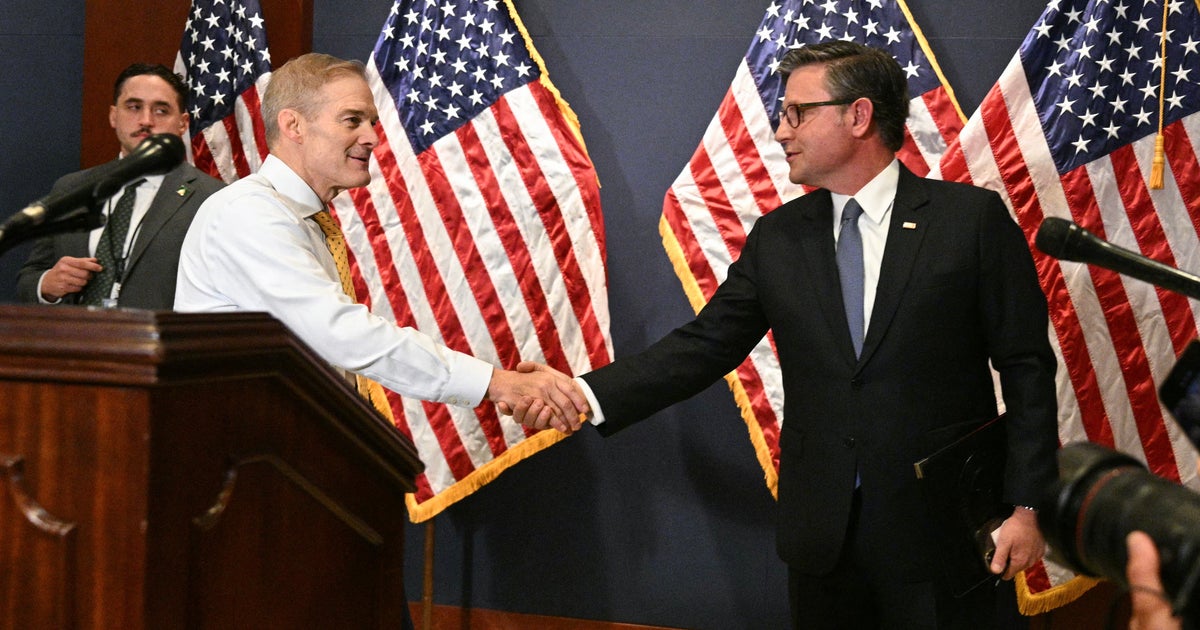
Rep. Jim Jordan of Ohio was picked by House Republicans to lead their minority starting in January, winning 106 to 73 in a closed-door vote. He says the party wants to pass as much of its agenda as it can while it still holds the majority, since Democrats will soon control both chambers.
Jordan expects Democrats to launch investigations into Trump's Cabinet, family, and business interests, and he predicted a third impeachment. He also pledged that Republicans will make sure members show up for key votes.
Republicans are moving further right a week after voters rejected Trump and the GOP at the polls. House Republicans chose Rep. Jim Jordan of Ohio as their next minority leader over the more moderate Steve Scalise. Trump also tapped Stephen Miller as chief of staff.
Jordan once chaired the House Judiciary Committee, where he led the failed effort to impeach Joe Biden. Miller, who oversaw the administration's immigration enforcement, will now be Trump's main contact with the Democratic Congress.
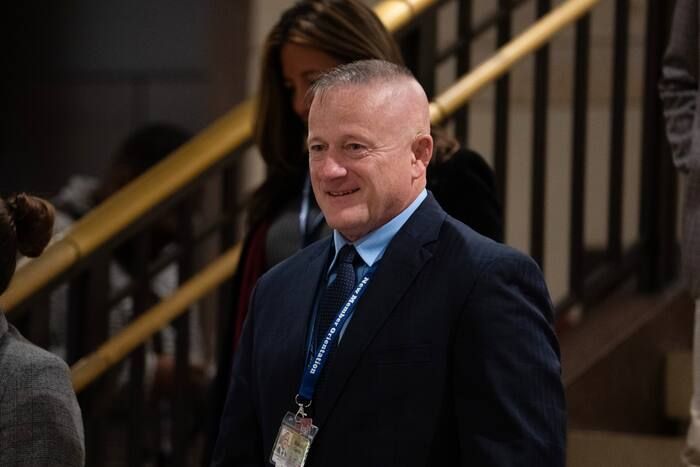
Democrats won several House seats this year that few had expected them to win. Even Rep. Richard Hudson of North Carolina, who ran the GOP's House campaign arm, lost his own seat to former Army major Richard Ojeda.
In Nevada, Democrat Teresa Benitez-Thompson won the 2nd District, a first for a Democrat there, and the state's House delegation is now entirely Democratic for the first time.
In Iowa, Democrat Lindsay James beat Republican Joe Mitchell for an open seat, and in New Jersey, Democrat Zack Mullock ousted Rep. Jeff Van Drew.
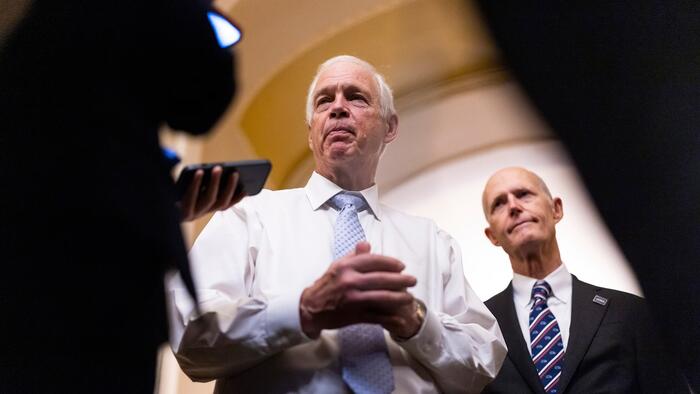
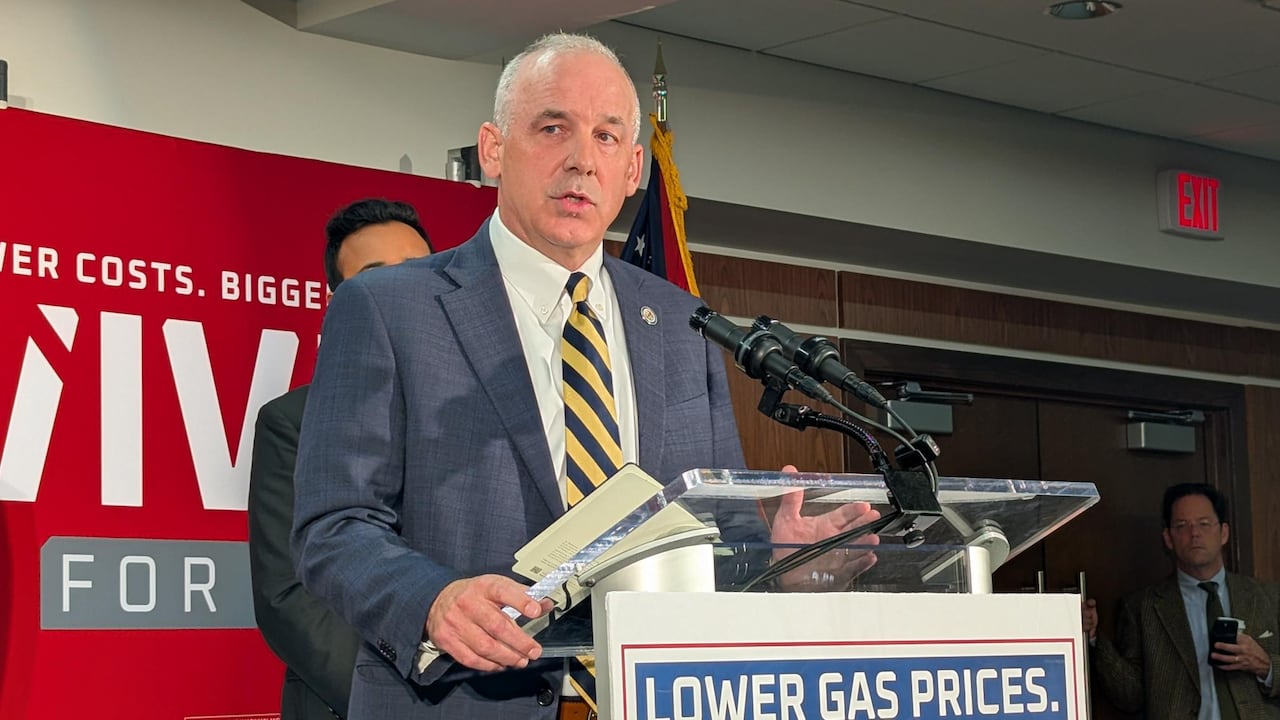
Sen. Ron Johnson of Wisconsin wants Tuesday's GOP leadership vote delayed so the conference can first review its midterm losses. Four other senators, including Rick Scott and Mike Lee, joined his request.
Senators David McCormick and Jim Banks did not sign but also want a pause. Thune, the current majority leader, is expected to seek another term, and no one has declared against him.
Unless the conference agrees to the delay, the vote happens Tuesday morning. Democrats won 54 Senate seats, and that could rise depending on races in Mississippi and Alaska.
Voters on Nov. 3 cited inflation and living costs as major reasons for ousting Republicans from Congress and rejecting the Trump administration's economic policies.
Markets are still digesting the midterm results, and there may be some good inflation news ahead.
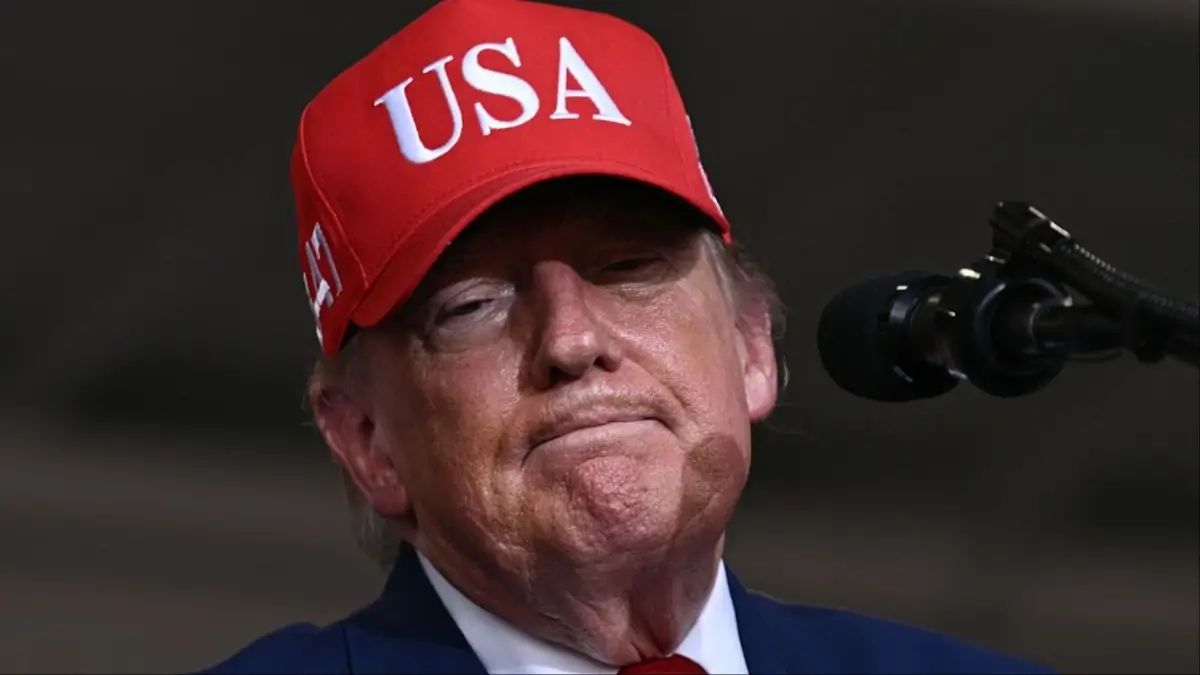
Donald Trump's remarks in a recent 60 Minutes interview have angered some supporters after Republicans lost heavily in the Nov. 3 midterms. He is now open to working with Democrats on immigration.
He also said deporting undocumented immigrants with good jobs likely hurt Republicans, and that he would still have launched the Iran attack despite the backlash.
Some longtime allies accused him of betrayal. The White House said the word amnesty was never used, but a community note on X said his comments amounted to the same thing.
President Trump has questioned the results of the midterm elections, claiming in a social media post that voting machines were manipulated. He gave no evidence for the claim.
He had earlier accepted the heavy defeat suffered by Republicans.
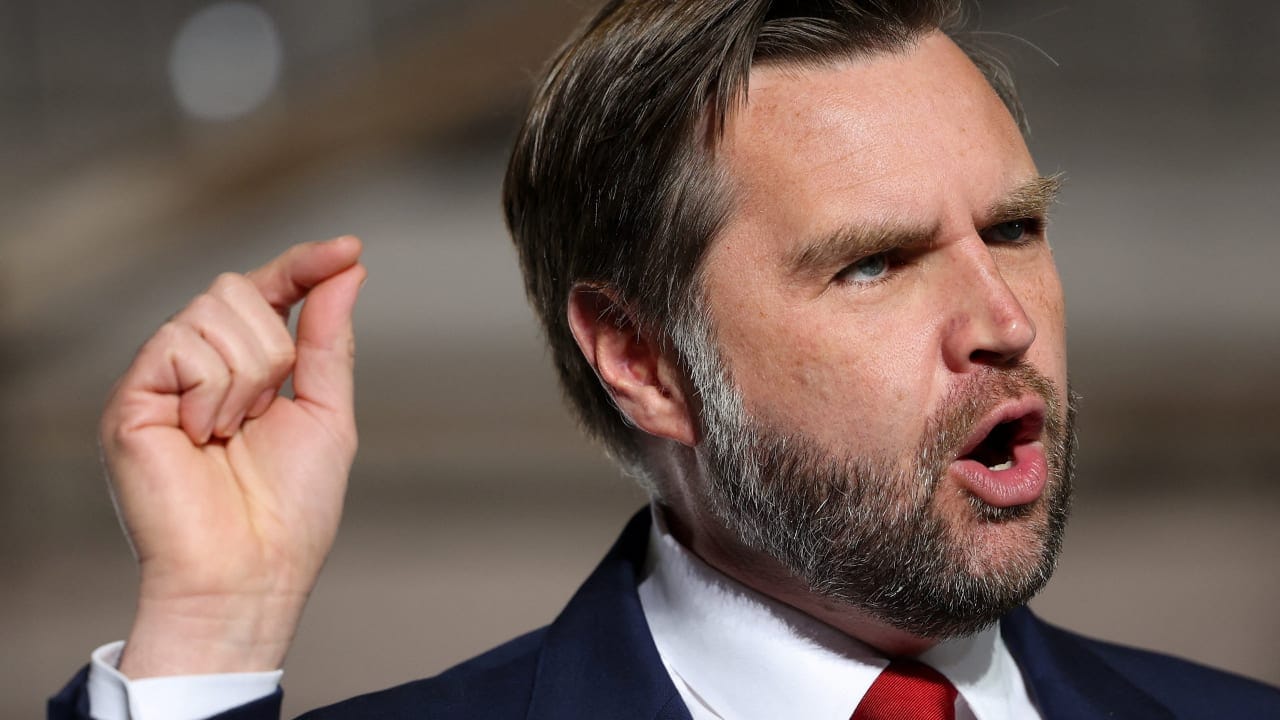
JD Vance and his circle are privately weighing a 2028 presidential run, and some allies doubt any Republican can win the White House in two years.
Democrats flipped seven GOP Senate seats this week, including Vance's old Ohio seat, and some major donors say they won't back him.
Vance has blamed the Iran war for the losses, while allies argue voters rejected the war rather than Trump. Vance has told associates he hasn't decided, and Trump has not endorsed a successor.
Two days after Democrats defeated Republicans in the US midterms, the US Embassy in El Salvador reminded people online that existing immigration rules still apply.
Even so, migrant caravans from Honduras and El Salvador are heading toward the US, with some hoping Democrats gaining control of Congress will make entry easier.
Border encounters fell steeply after Trump took office in 2025, yet people are still setting out. A man at a Guatemalan crossing said illegal entry usually leads to deportation, whatever party is in power.
Stephen Miller, Trump's pick to succeed Susie Wiles as White House chief of staff, said in his first speech since the appointment that Republicans are now stronger and better liked. He spoke days after Democrats took both chambers in the midterms.
Miller credited Trump with saving the country and the party, citing the 2024 shooting in Butler, Pennsylvania, and the criminal cases Trump has faced.
The GOP shed 44 or more House seats and seven in the Senate, and Trump has said the economy and the fighting with Iran played a part.
Democrats won a majority in both the House and Senate in the midterms, but Trump can still veto their bills. Overriding a veto takes two-thirds of Congress, which Democrats can't reach without Republican votes.
Tariffs are a big part of the story. Trump has changed tariff policy more than 50 times since January 2025, and 54% of US imports now carry a tariff, up from 44% a decade ago.
Democrats are expected to respond with hearings, investigations and forced votes, but major shifts in trade policy are unlikely while the veto stands.
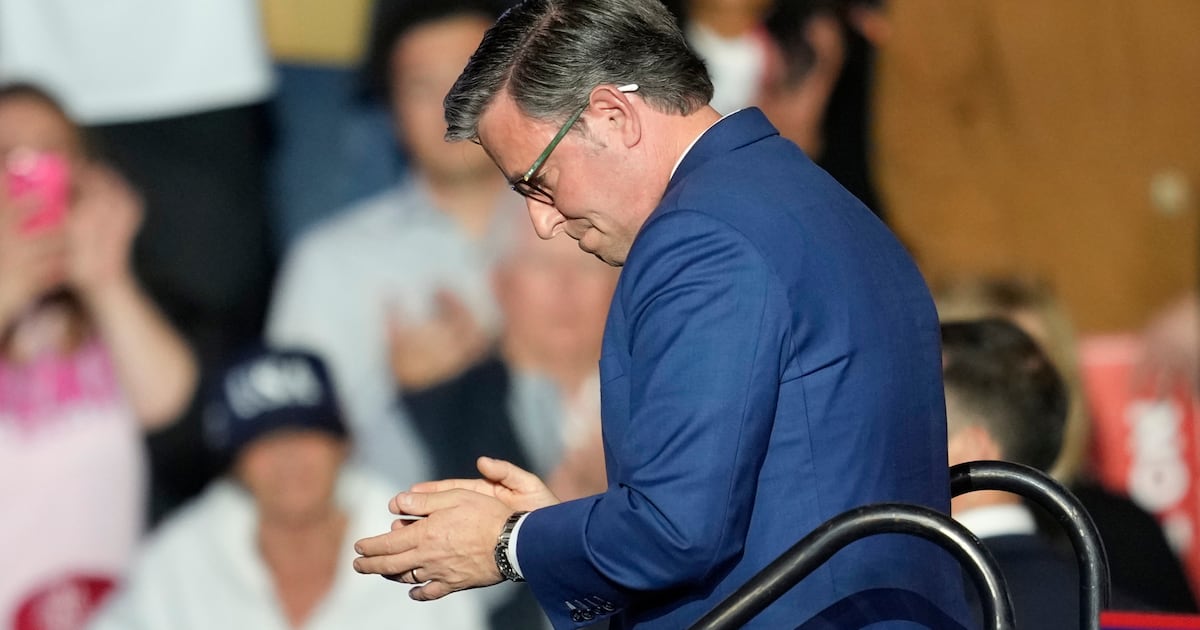
House Speaker Mike Johnson will not seek to remain the top House Republican after the party's midterm losses. Two people familiar with his decision say he won't ask for support to stay on as minority leader.
He is expected to keep his Louisiana House seat when Congress convenes in January. Reps. Steve Scalise and Jim Jordan are both going after the top GOP post, a possible rematch of their earlier race for the speaker's gavel.
Democrats swept to the House majority and plan to nominate Hakeem Jeffries of New York for speaker. That vote is set for Jan. 3, 2027.
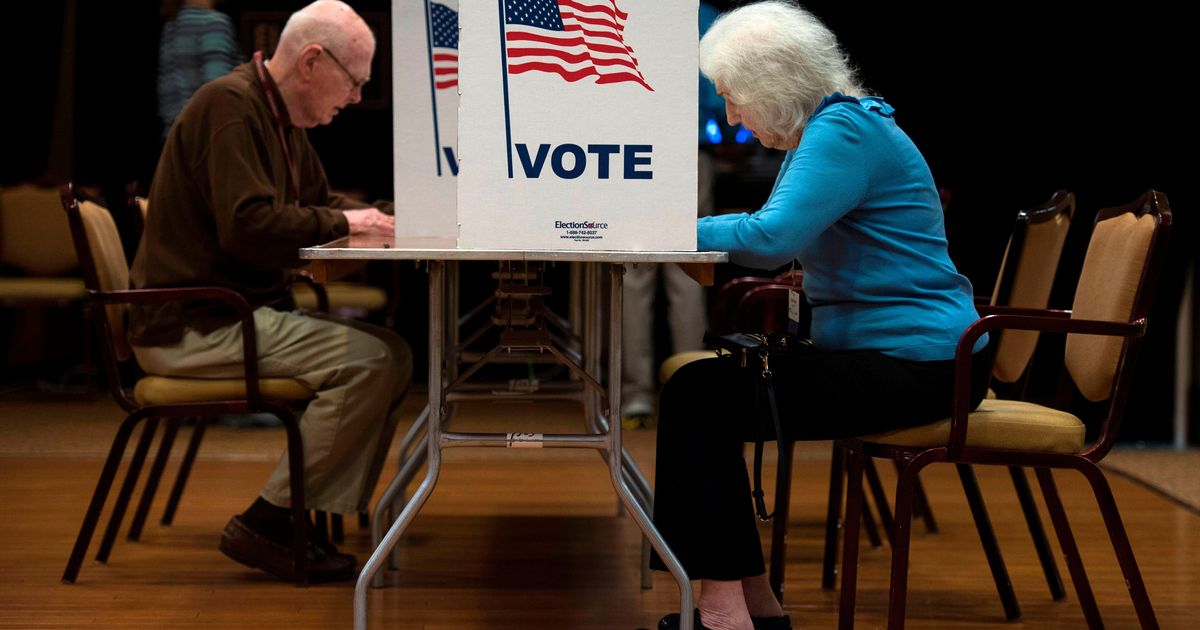
Ohio voters elected two Democrats to the state Supreme Court on Tuesday, even though Republicans had added party labels to those ballots expecting them to help.
The outcome has also raised questions about the future of Ohio House Speaker Matt Huffman.
Secretary of State Marco Rubio may be considering leaving the Trump administration after GOP midterm losses and the fallout from the Iran war.
He could step down to prepare for a possible 2028 presidential run, but he has yet to say whether he will resign or seek the nomination. JD Vance is seen as his chief likely competitor.
Republicans lost their majorities in both chambers of Congress, and up to five cabinet officials might step down. The White House and State Department both dismissed the report as baseless.
Republicans took a heavy beating in the midterms, and President Trump now has to decide whether to escalate or wind down his eight-month-old war with Iran. He has warned that he may resume full-scale bombing if Tehran refuses terms he accepts.
Trump said the war pushed gas prices up a bit, but that he would make the same decision again. A national voter survey found about 6 in 10 people called the decision to go to war the wrong choice.
Brent crude fell below $95 a barrel after the vote, its lowest level in two months, a sign that markets do not expect major new strikes.
 US Politics Daily@uspoliticsdaily