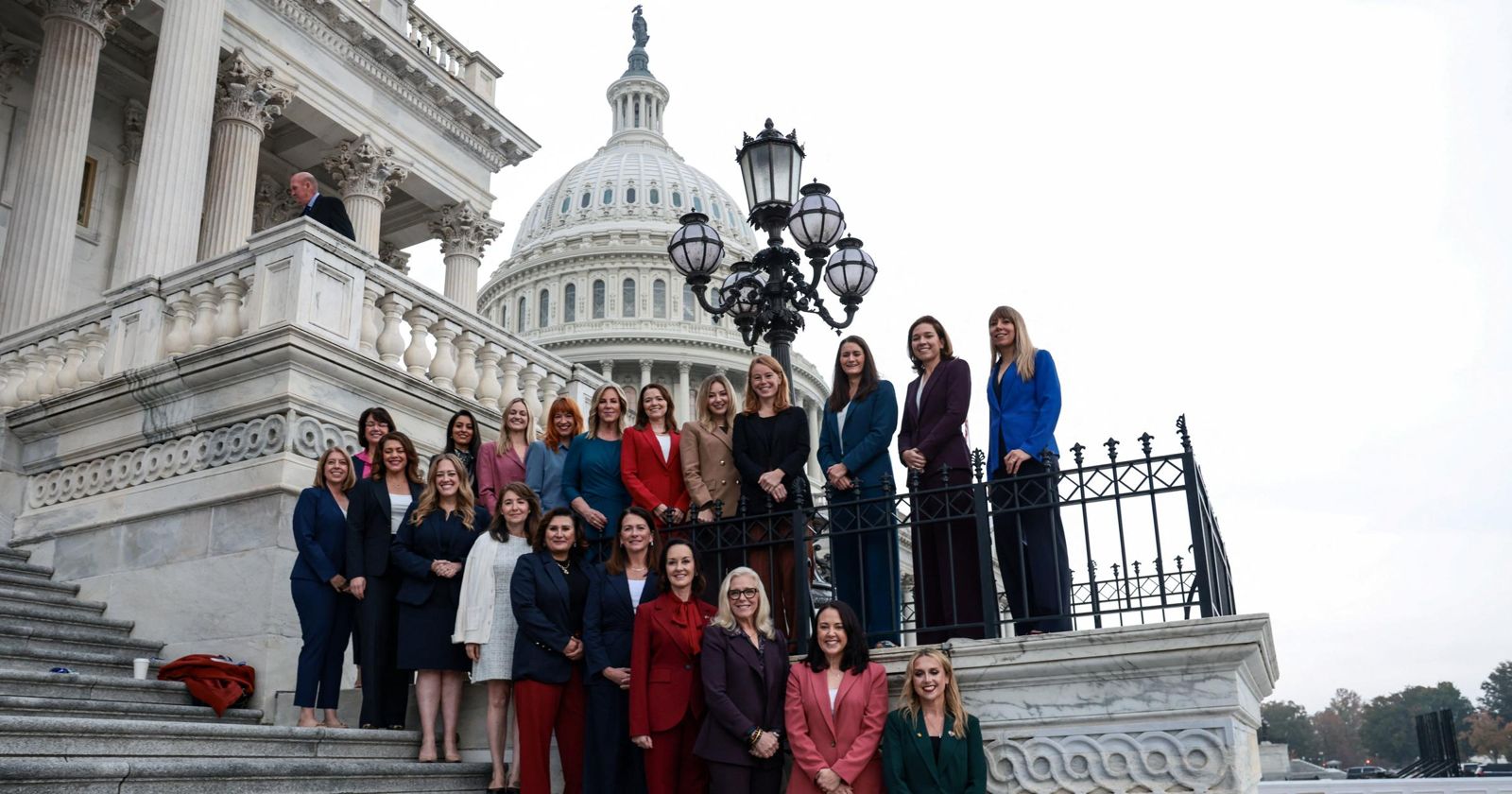
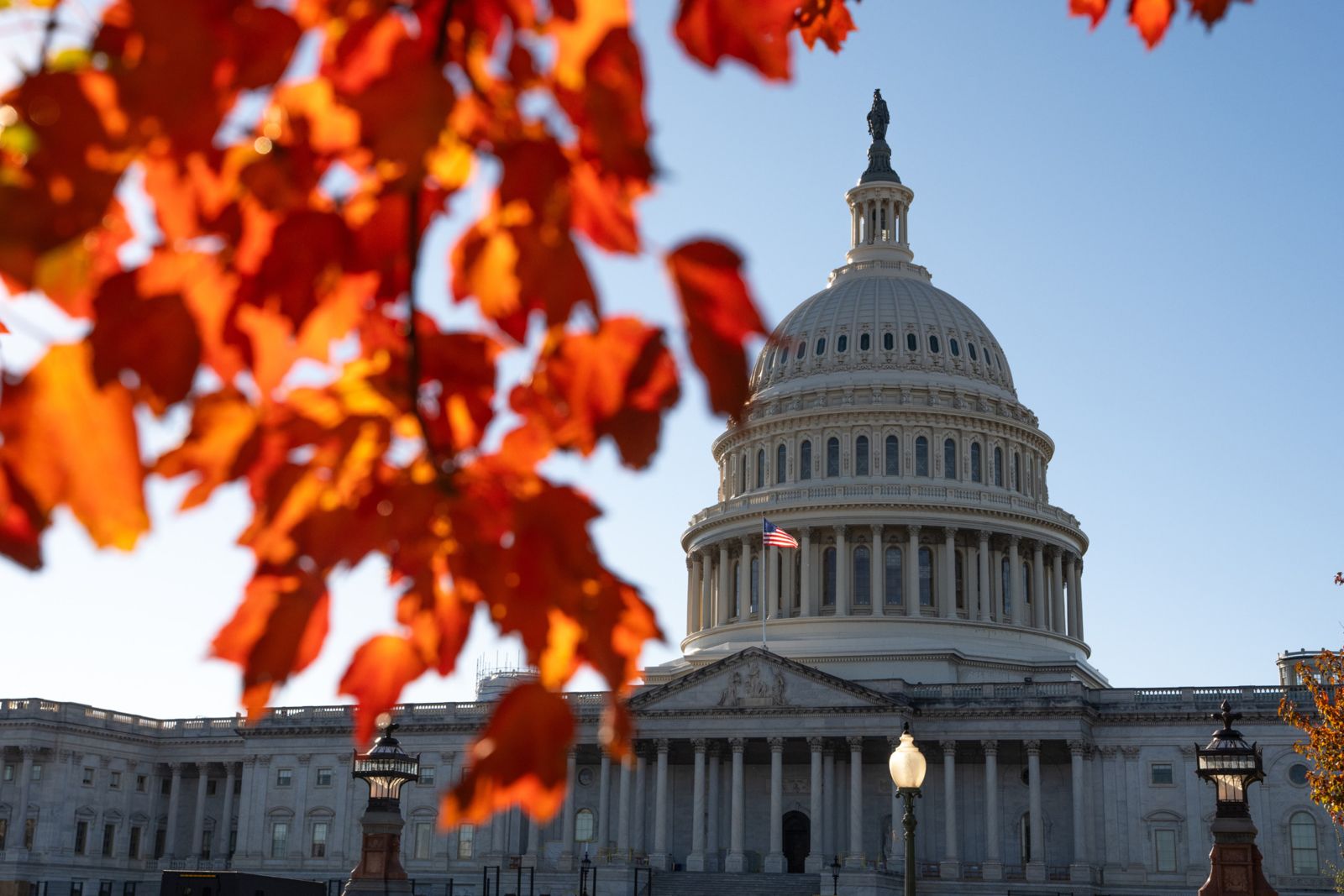
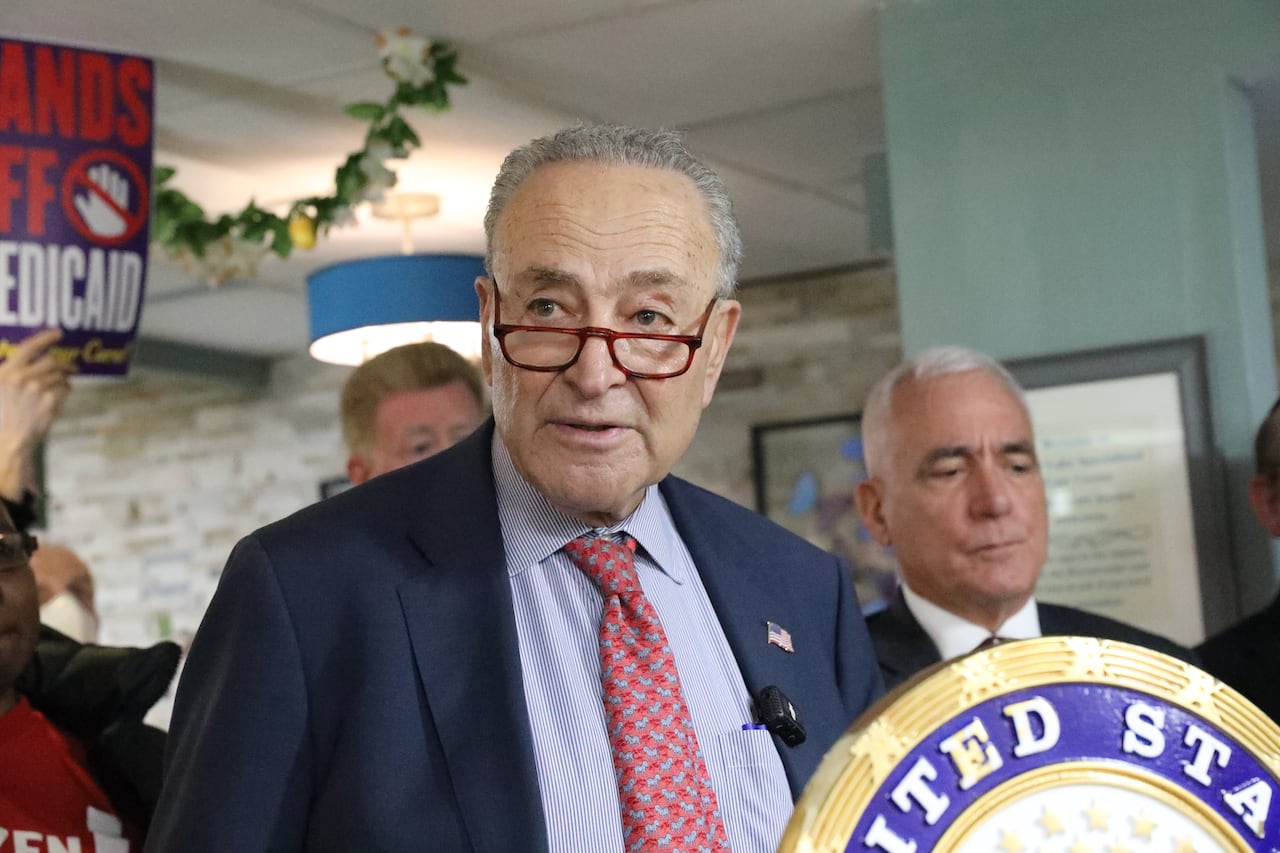
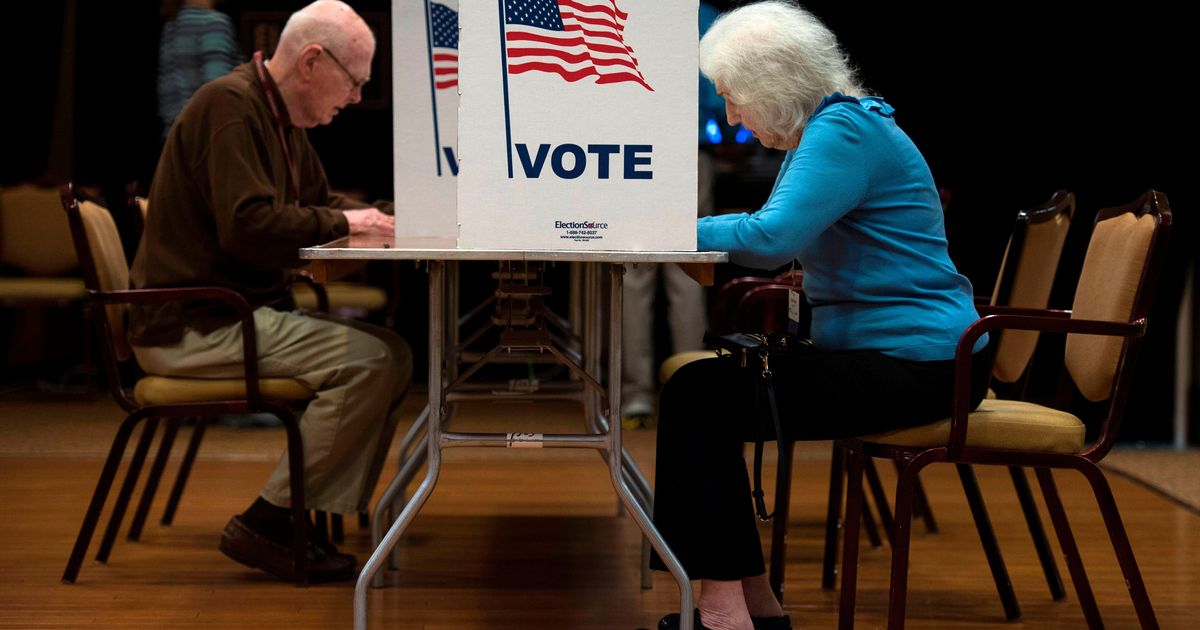
Democrats who will control Congress next year plan a fast start in January. Their early agenda targets voter concerns after the party's strong November 3 showing, including the Iran war, prices and healthcare.
Senator Brian Schatz of Hawaii put a ban on lawmakers trading stocks at the top of his list, alongside ending the Iran war and reversing Medicaid cuts. Republican Senator Josh Hawley of Missouri also backs the stock trading ban and has a bill pending, but Democrats will need Republican votes to reach the 60 votes most Senate bills require.
Democrats who take over Congress in January plan to put Health Secretary Robert F. Kennedy Jr. under heavy scrutiny. Some senior lawmakers have floated impeaching him.
The party also wants to work with Kennedy's MAHA supporters on shared goals, like pesticide rules and healthier school lunches. That could be tricky, since many of them still back him strongly.
Sen. Ron Wyden has already opened two probes: one into Kennedy's account of a 2019 Samoa trip, and one into reports that he took hundreds of thousands of dollars in pricey gifts.
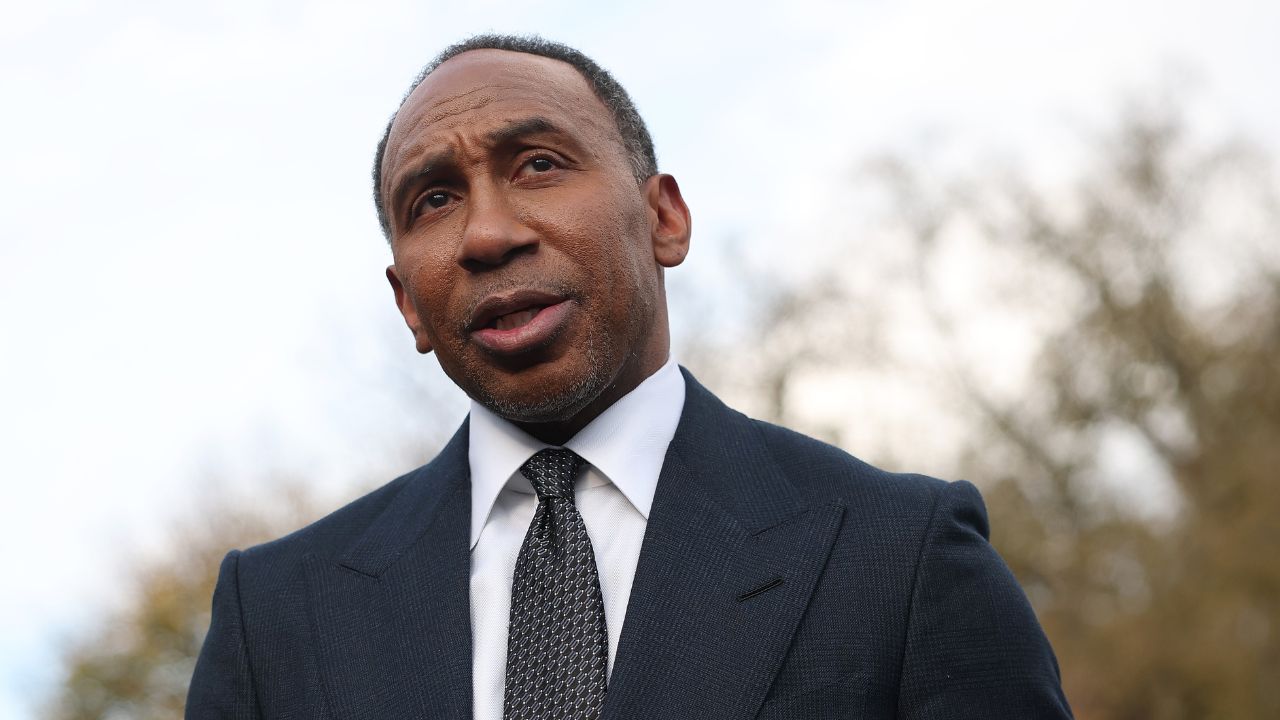
Stephen A. Smith says a 40-minute White House interview with President Trump left him convinced the president won't accept blame for the GOP's midterm losses.
When Smith pressed him, Trump said he was not on the ballot and suggested the Republican candidates were not good enough. Smith disagreed, saying voters were unhappy with how Trump has governed.
Smith also warned that Democrats face a challenge from their far-left flank, which he said makes the party look divided.
The Justice Department now faces new scrutiny from a Democratic-led Congress.
For nearly two years, Republicans controlled Congress and rarely checked the department as it pursued the president's foes, fired career staff and defended policies judges repeatedly questioned.
Democrats are poised to regain control of the House in January, which opens the door to changing how the chamber runs. A new package of House rules is expected to be introduced in the coming weeks, with Democrats expected to hold at least 255 seats.
The party would have to unite behind one package to replace the current GOP rules. Since lawmakers returned after the midterm elections, Democrats have put forward several possible changes.
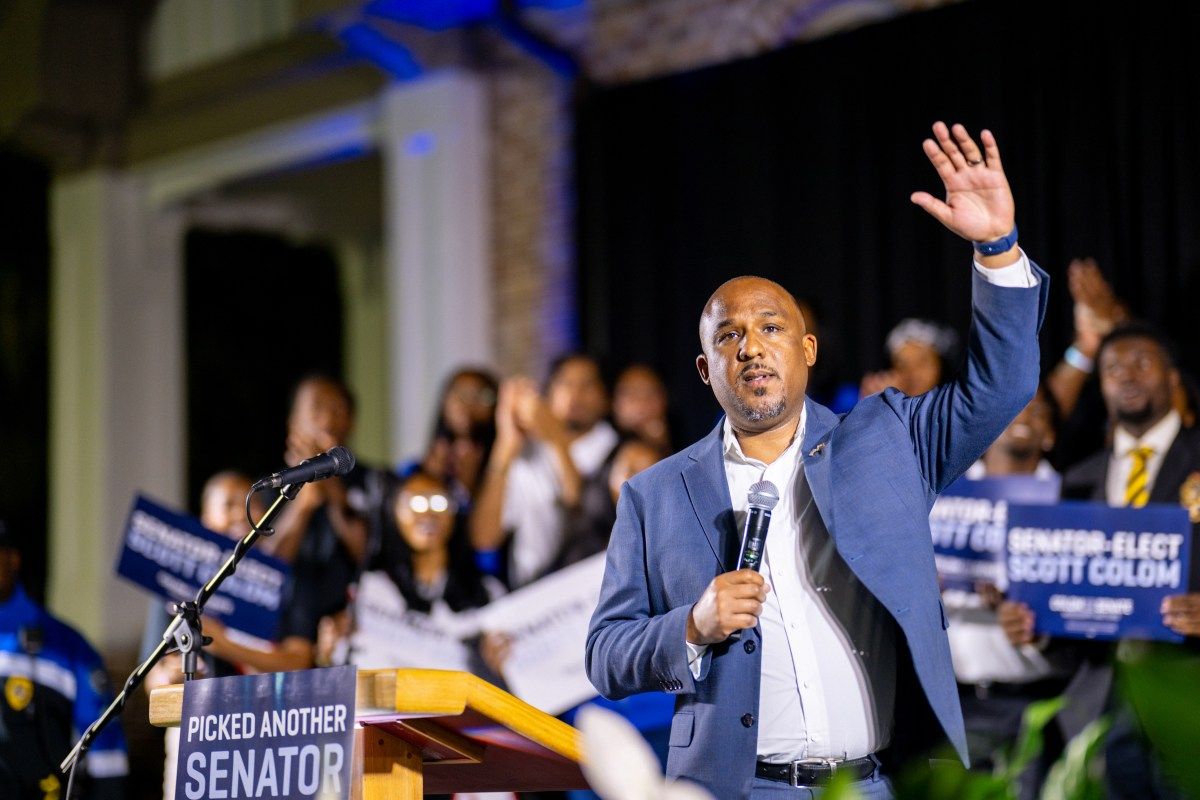
Democrat Scott Colom has won Mississippi's Senate race over Republican Senator Cindy Hyde-Smith, adding to the Democrats' majority.
Colom, a local prosecutor, is the first Black person to represent Mississippi in the Senate since Reconstruction. Few had expected the race to be competitive, but his viral 28-second ad drew national attention in mid-October by reviving Hyde-Smith's earlier comments on beef prices.
Senate Majority PAC only began spending in the final stretch, and Obama, Harris and Trump all weighed in on the race in October.
ICE says its arrests and removals in the year ending Sept. 30 set a new high for the agency. Homeland Security put deportations at 483,200, up 9% from the previous peak a year earlier.
The release skipped key details, like how many of those removed had criminal records. The total also trails the White House goal of one million deportations a year.
Democrats in Congress, who did well in the recent midterms, have promised close oversight of the agency.
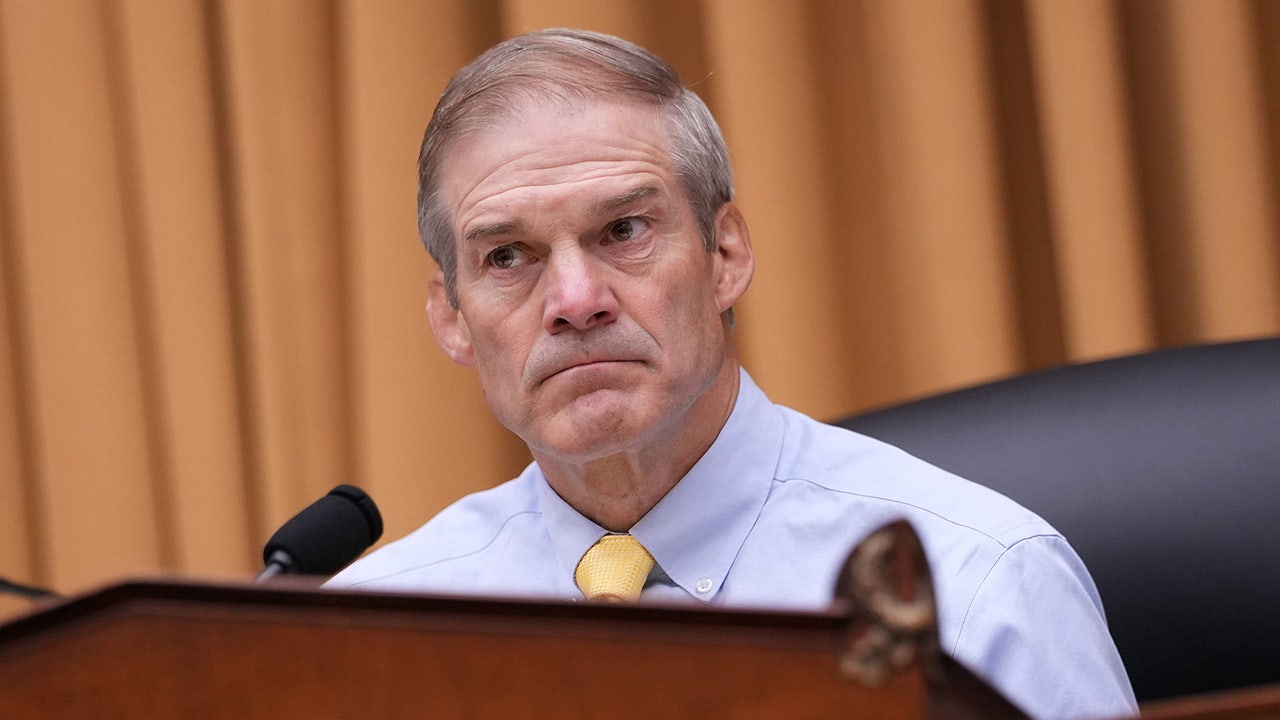
Rep. Jim Jordan of Ohio was picked by House Republicans to lead their minority starting in January, winning 106 to 73 in a closed-door vote. He says the party wants to pass as much of its agenda as it can while it still holds the majority, since Democrats will soon control both chambers.
Jordan expects Democrats to launch investigations into Trump's Cabinet, family, and business interests, and he predicted a third impeachment. He also pledged that Republicans will make sure members show up for key votes.
Democrats have taken control of both chambers of Congress, and their first goals include ending the Iran war and stopping Trump's tariffs. Leaders from both parties tied voter anger over those policies to higher gas, diesel, and grocery prices.
Democrats lack the numbers to override a veto, so they may lean on the power of the purse instead. A Dec. 11 funding deadline could soon test how far they will go, and some on the party's left are already asking whether leaders would accept a funding lapse to end the war.
Rep. Doris Matsui has won California's 7th Congressional District, the Associated Press projected Tuesday. With about 88% of the vote counted, she leads Mai Vang 53.3% to 46.7%.
It was a generational clash between two Democrats. Matsui, 82, has been in Congress since 2005 and put close to $7 million of her own money into the race, something she had not done in earlier reelection campaigns.
Vang, 41, a Sacramento City Council member, ran on fresh leadership and progressive policies while refusing corporate donations.
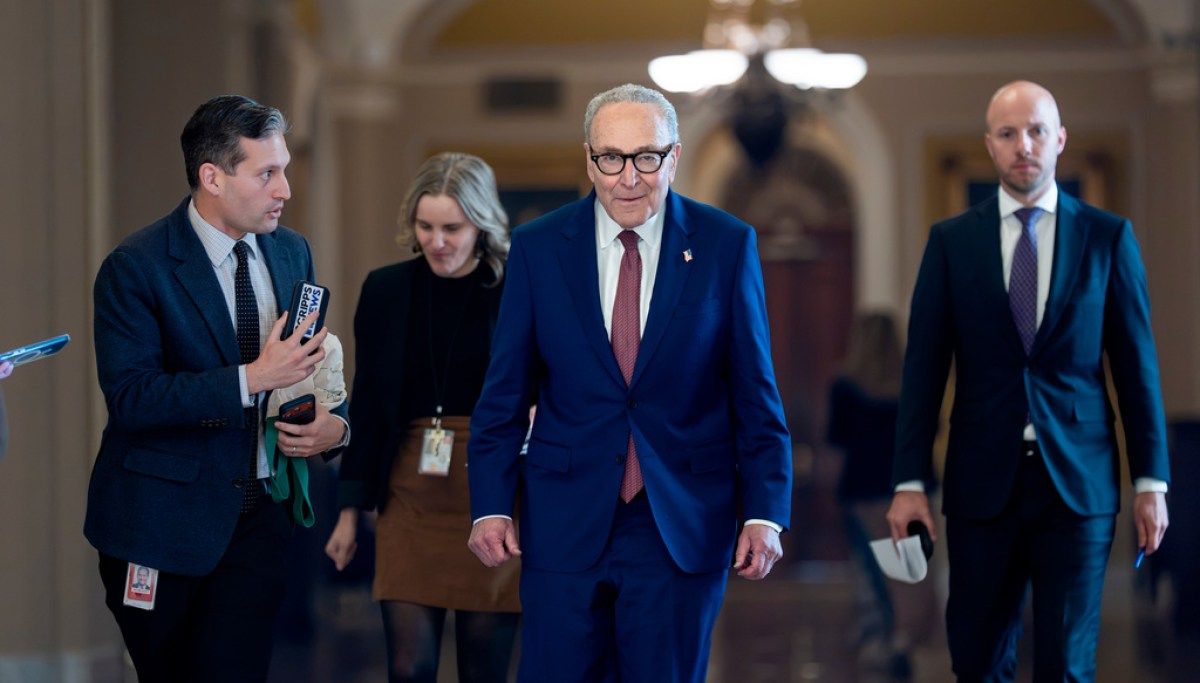
Calls for Senate Minority Leader Chuck Schumer to step aside are growing among Democrats, and they now come from across the party's ideological range.
The criticism grew on Tuesday as the balance of power in Washington prepares to shift. Schumer, 75, has led Senate Democrats for almost a decade, but he now faces a fight to keep his post when the new Congress convenes in January.
Critics are pushing for a new generation of leadership, even though Schumer recruited many of the candidates who helped the party perform strongly in the midterms.
Democrats won several House seats this year that few had expected them to win. Even Rep. Richard Hudson of North Carolina, who ran the GOP's House campaign arm, lost his own seat to former Army major Richard Ojeda.
In Nevada, Democrat Teresa Benitez-Thompson won the 2nd District, a first for a Democrat there, and the state's House delegation is now entirely Democratic for the first time.
In Iowa, Democrat Lindsay James beat Republican Joe Mitchell for an open seat, and in New Jersey, Democrat Zack Mullock ousted Rep. Jeff Van Drew.
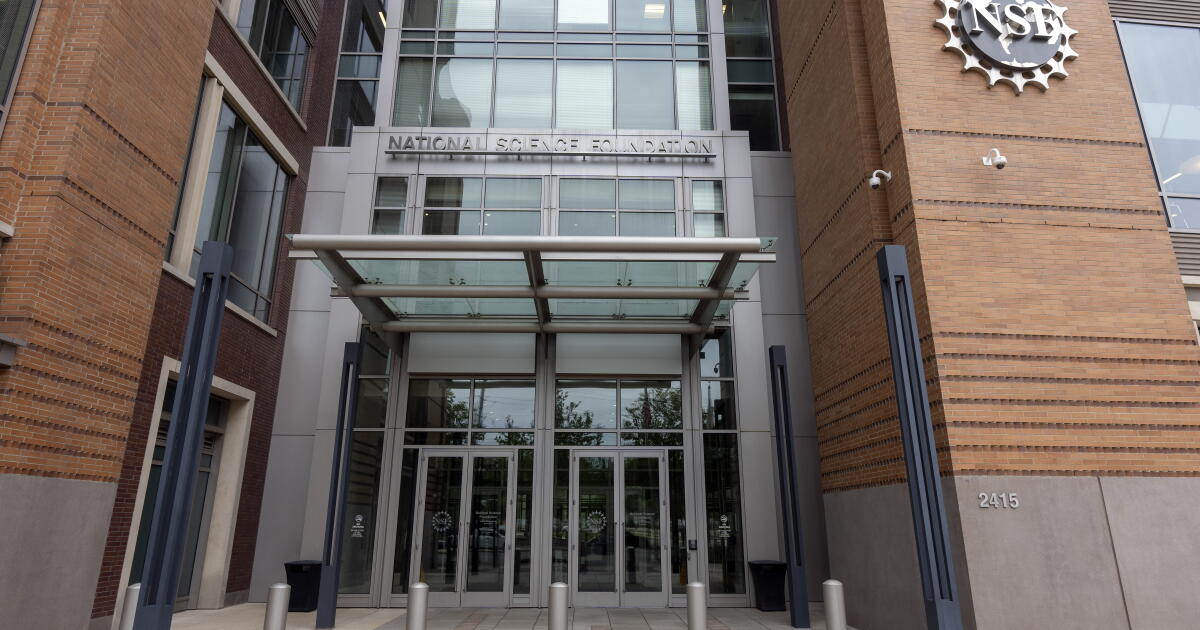
Democrats winning control of Congress in January will give lawmakers more sway over science funding, FEMA and the National Weather Service. The biggest early fight is likely to be over research money.
Lawmakers are likely to scrutinize FEMA far more closely, with hearings and pressure for answers. The president still makes the final call on FEMA recovery funds after a disaster, and Trump has denied requests from Democratic-led states.
The National Weather Service, which lost hundreds of staff in 2025, is now more likely to receive fresh funding.
Donald Trump's remarks in a recent 60 Minutes interview have angered some supporters after Republicans lost heavily in the Nov. 3 midterms. He is now open to working with Democrats on immigration.
He also said deporting undocumented immigrants with good jobs likely hurt Republicans, and that he would still have launched the Iran attack despite the backlash.
Some longtime allies accused him of betrayal. The White House said the word amnesty was never used, but a community note on X said his comments amounted to the same thing.
Sen. Chris Van Hollen of Maryland, a progressive critic of Senate Minority Leader Chuck Schumer, is now weighing a challenge after growing calls urging him to run. Sen. Elissa Slotkin of Michigan is also considering a bid.
At a Crooked Media event Saturday, Van Hollen said the caucus needs a real discussion, since no leader should get open-ended support before members know the party's direction.
More Democrats are now pushing for fresh Senate leadership, saying the party has moved left and needs a leader who reflects that.
Mayor Zohran Mamdani confirmed Monday that he has been meeting national union leaders about the 2028 Democratic presidential race, though he has not named a preferred candidate.
Mamdani has met with the head of the painters' union and plans to meet UAW president Shawn Fain. Rep. Alexandria Ocasio-Cortez, a close ally, has yet to decide whether to run for president or challenge Senator Chuck Schumer in 2028.
On Monday a new group, Ready for AOC, launched a national drive urging her to seek the presidency.
Trump thinks Democrats are unlikely to launch a third impeachment push once they take back Congress in January. He made the remarks to Ross Douthat on 60 Minutes, his first interview since the midterms.
He also said he could reach a deal with the opposition, citing his first term. Both impeachments from that period ended in Senate acquittals.
On forgiveness, he was less open. He doubted he could forgive some rivals, including former House Speaker Nancy Pelosi and ex-FBI Director James Comey, whom he called untrustworthy.
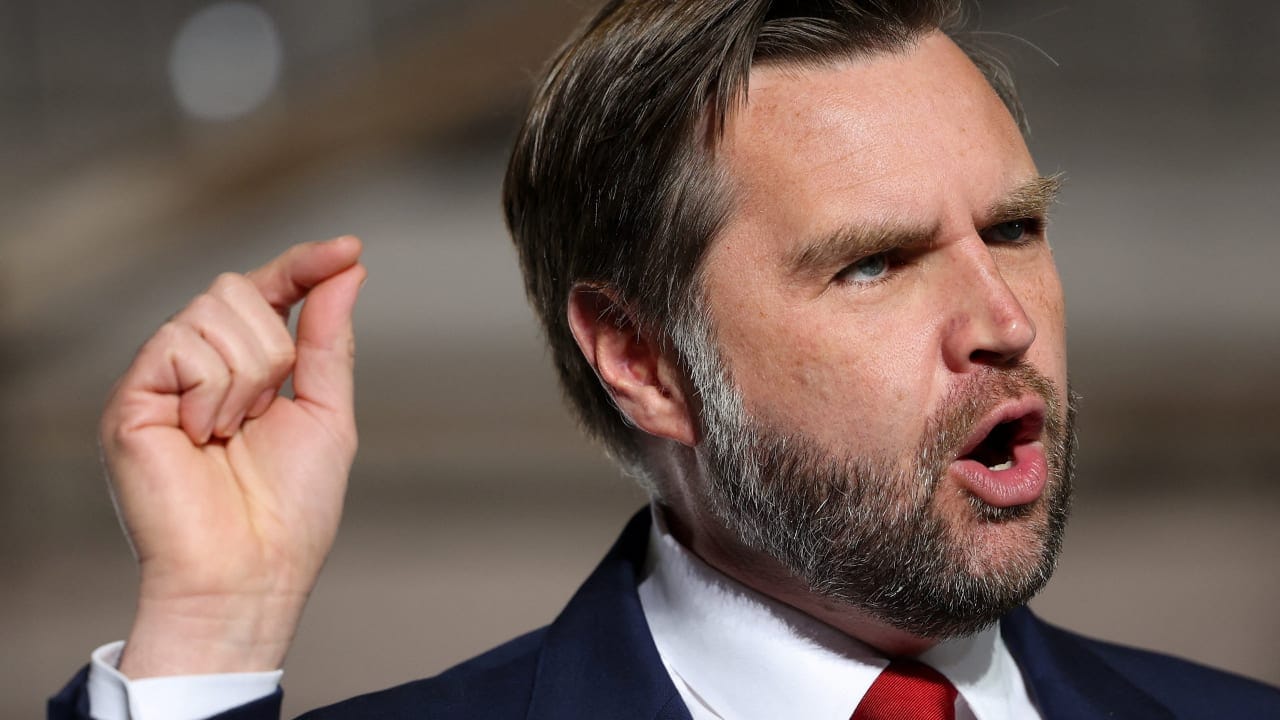
JD Vance and his circle are privately weighing a 2028 presidential run, and some allies doubt any Republican can win the White House in two years.
Democrats flipped seven GOP Senate seats this week, including Vance's old Ohio seat, and some major donors say they won't back him.
Vance has blamed the Iran war for the losses, while allies argue voters rejected the war rather than Trump. Vance has told associates he hasn't decided, and Trump has not endorsed a successor.
Two days after Democrats defeated Republicans in the US midterms, the US Embassy in El Salvador reminded people online that existing immigration rules still apply.
Even so, migrant caravans from Honduras and El Salvador are heading toward the US, with some hoping Democrats gaining control of Congress will make entry easier.
Border encounters fell steeply after Trump took office in 2025, yet people are still setting out. A man at a Guatemalan crossing said illegal entry usually leads to deportation, whatever party is in power.
UC Berkeley students are feeling upbeat after Democrats won most Senate and House seats in the Nov. 3 midterms. Xavier Becerra was also elected California governor.
Hundreds lined up to vote at Eshelmann Hall on Tuesday night, with some waiting over an hour. For many, it was their first federal election.
Some students hope the results bring less federal scrutiny of the campus. Others were disappointed that Proposition 40, a one-time tax on billionaires, failed.
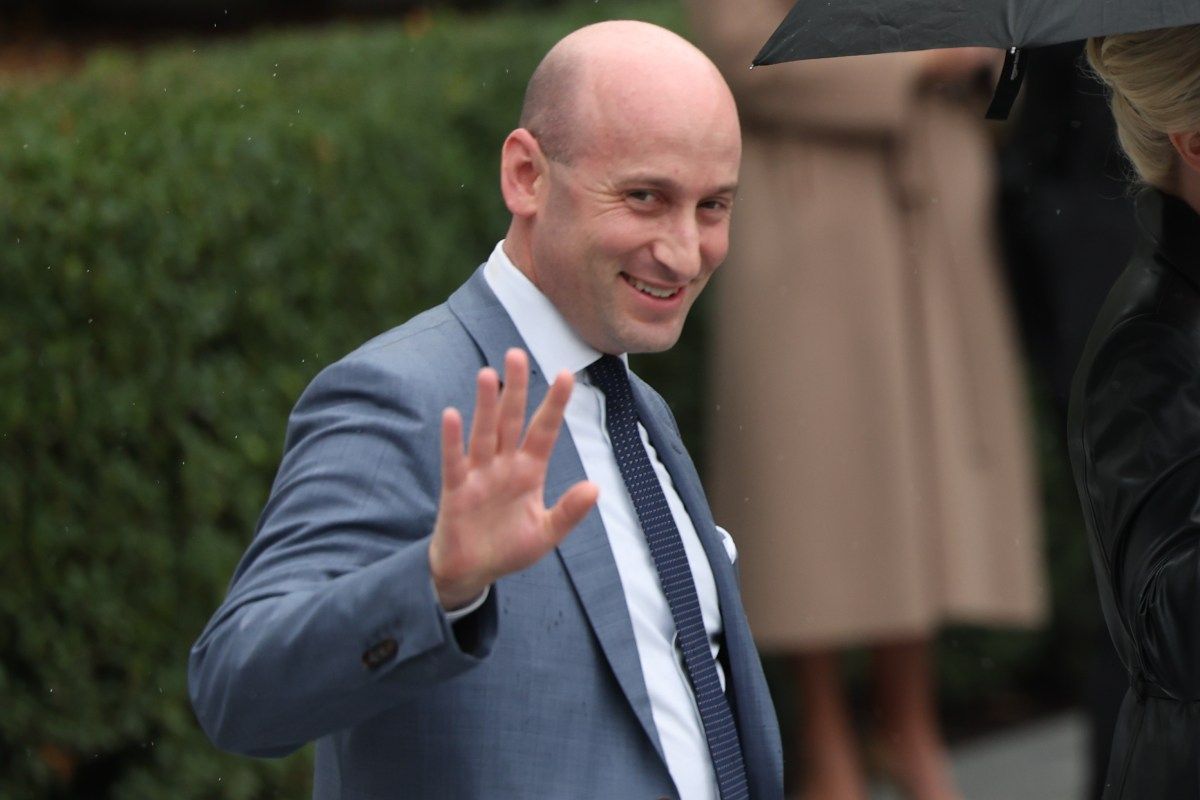
Stephen Miller, Trump's pick to succeed Susie Wiles as White House chief of staff, said in his first speech since the appointment that Republicans are now stronger and better liked. He spoke days after Democrats took both chambers in the midterms.
Miller credited Trump with saving the country and the party, citing the 2024 shooting in Butler, Pennsylvania, and the criminal cases Trump has faced.
The GOP shed 44 or more House seats and seven in the Senate, and Trump has said the economy and the fighting with Iran played a part.
Democrats will soon run both chambers of Congress, and many plan to push back on Trump's immigration crackdown. Scrutiny of ICE and the Department of Homeland Security looks likely to be a priority, including alleged misuse of funds and deaths among people in custody.
Still, the limits are real. Trump keeps his veto power for two more years, Republicans already set aside billions of dollars for enforcement earlier this year, and he just named Stephen Miller, the main force behind his tough approach, as chief of staff.
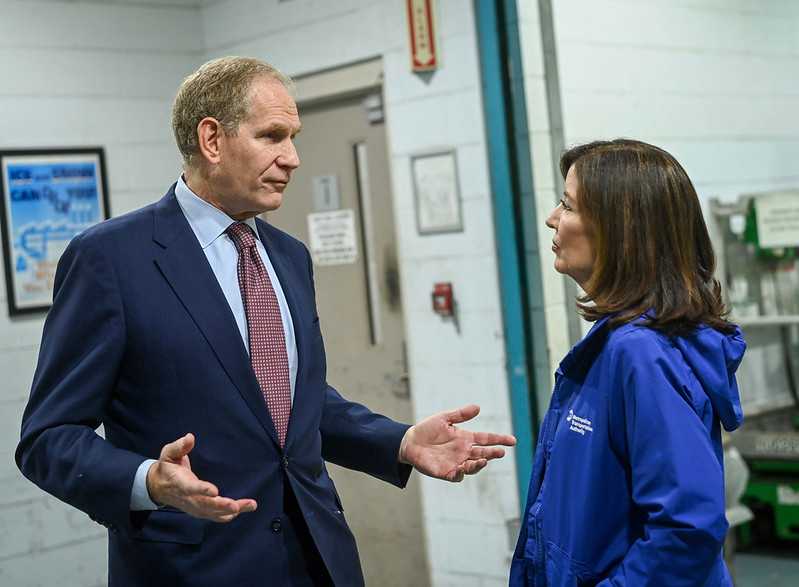
The MTA wants the incoming Democratic Congress to act on transit funding. One key request is extending the current federal infrastructure law with advance funding included, which the agency says would prevent a $265 million, or 10%, cut in fiscal 2027.
The agency also wants tariff exemptions for rail car and bus components, more transit security money, and limits on grant decisions made without explanation. It estimates tariffs will add $1 billion in costs on top of the $23 billion already planned for new trains and buses.
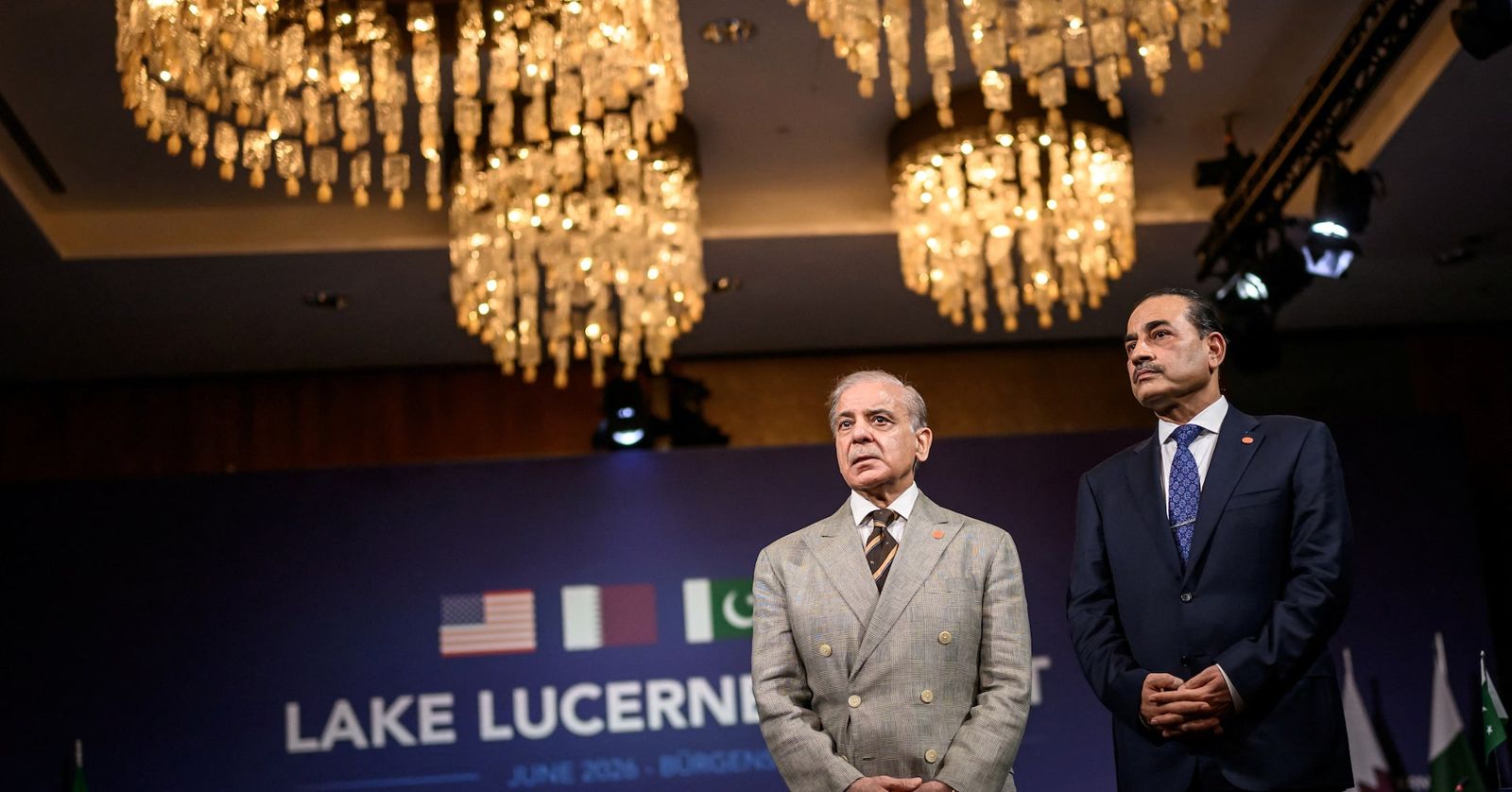
Pakistan's leaders spent two years cultivating ties with President Trump, but after Democrats won Tuesday's congressional vote, they are bracing for tougher questions about their White House access.
Senate Democratic Leader Chuck Schumer vows Democrats will stop President Trump from seating a conservative-leaning Supreme Court justice once they gain control.
He spoke two days after Democrats won a clear Senate majority in the midterms.
Democrats won a majority in both the House and Senate in the midterms, but Trump can still veto their bills. Overriding a veto takes two-thirds of Congress, which Democrats can't reach without Republican votes.
Tariffs are a big part of the story. Trump has changed tariff policy more than 50 times since January 2025, and 54% of US imports now carry a tariff, up from 44% a decade ago.
Democrats are expected to respond with hearings, investigations and forced votes, but major shifts in trade policy are unlikely while the veto stands.
 US Politics Daily@uspoliticsdaily