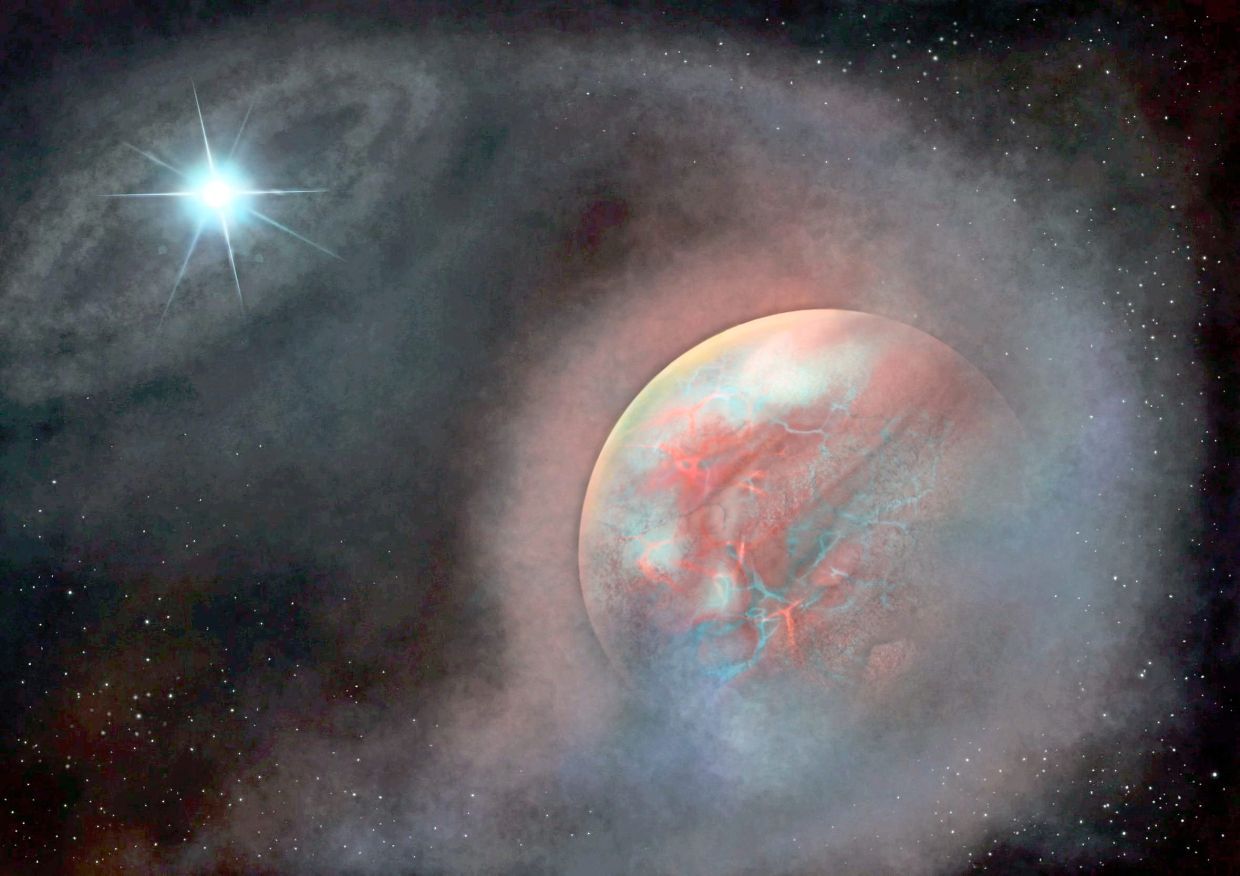
Astronomers say they found a gas giant born from the debris of a dying star, a so-called phoenix planet. It may be a little heavier than Jupiter and orbits a white dwarf about 250 light years away.
Unlike Earth, it came from material a dying star had thrown off, and its chemistry, heavy with niobium, copper and zinc, backs that up. It orbits every 4.4 days, so close that the white dwarf's ultraviolet light is evaporating its outer atmosphere.
Lead author Jamie Williams hopes the James Webb Space Telescope will confirm the findings, which relied on Hubble, TESS and FUSE data.
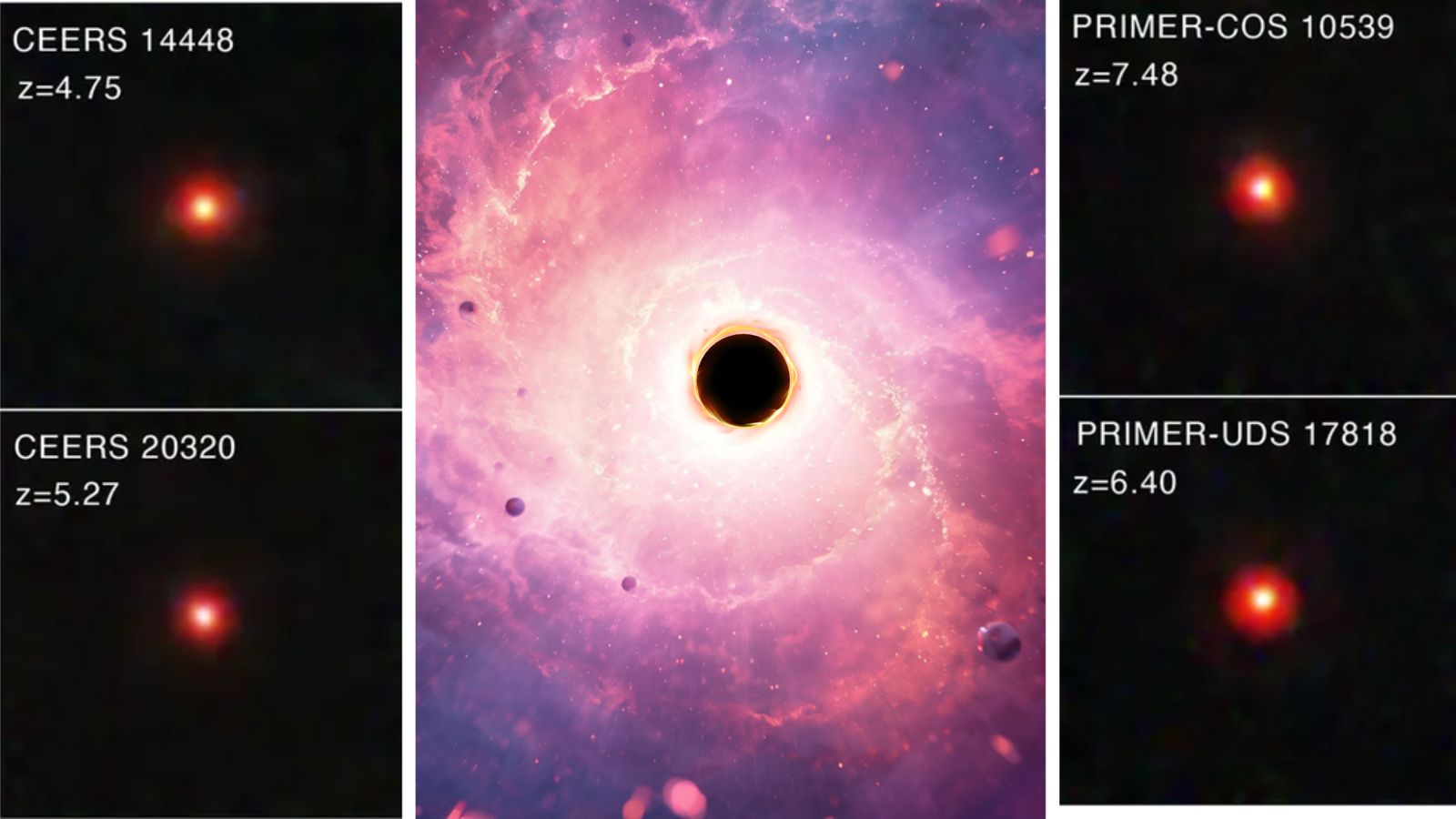
Some of the mysterious Little Red Dots seen by the James Webb Space Telescope may be primordial black holes, born just after the Big Bang. Researchers tested this idea on one of them, QSO1, whose light left it when the universe was about 700 million years old.
QSO1 is made almost entirely of hydrogen and helium, which may make it more pristine than others. Their modeling found the most likely scenario is a small primordial black hole that slowly grew by consuming nearby gas.
A University of Washington team simulated Earth with all life removed to see which gases can form without biology.
Samantha Gilbert-Janizek's model runs from Earth's formation 4.5 billion years ago to almost half a billion years ahead, and it matches 19 observed traits of pre-industrial Earth, including its oceans and air.
Oxygen and methane together would point to living organisms, while one gas alone proves little. Future telescopes, including the James Webb Space Telescope, could gather the observations needed to compare with the model.
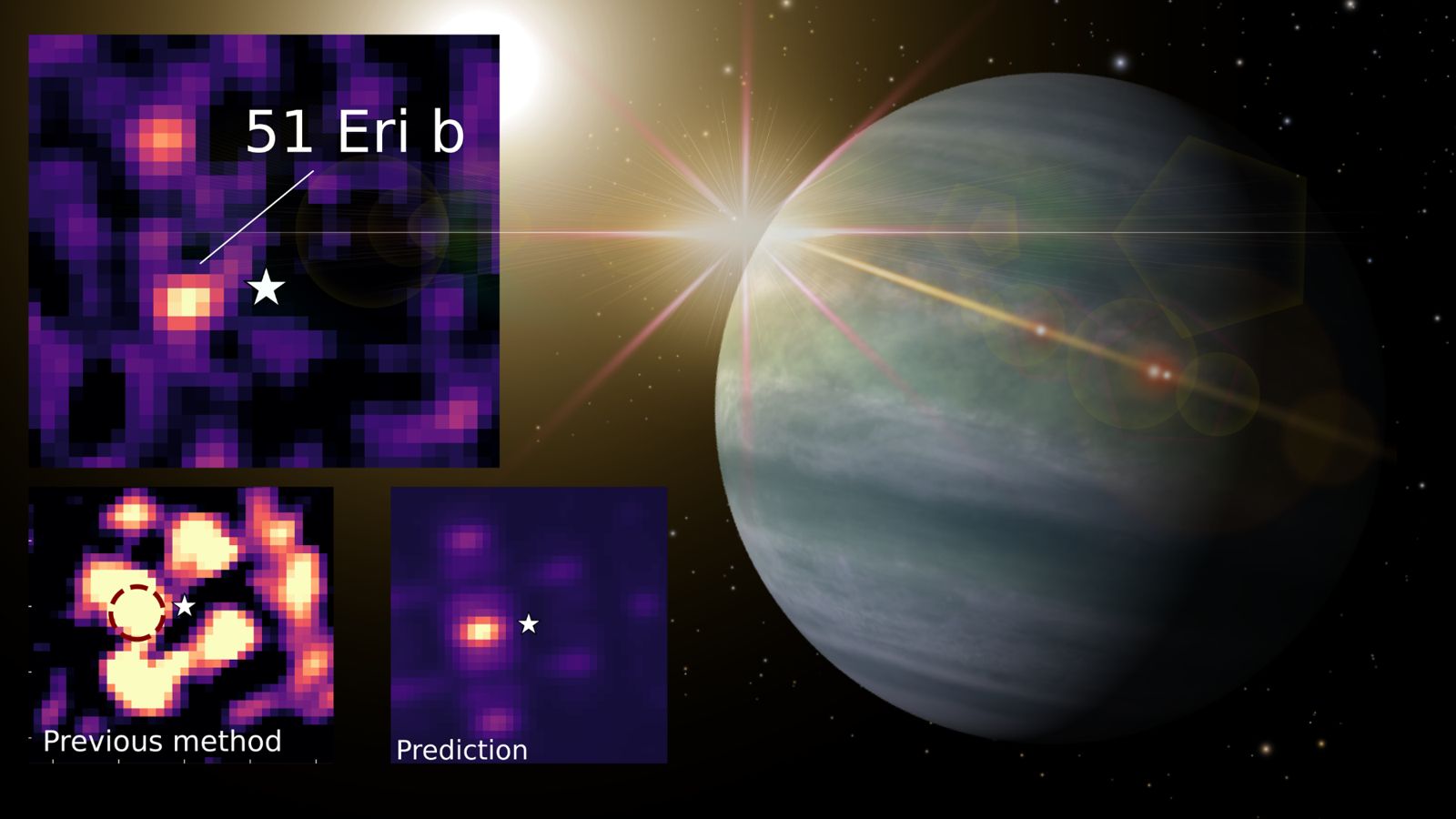
Astronomers have spotted the giant planet 51 Eridani b in James Webb Space Telescope data by filtering out its star's glare. Ground telescopes first detected it in 2015.
The gas giant is about 11 times Jupiter's mass and lies 97 light-years away. A digital twin of the telescope helped strip out leftover glare, and the method picked out faint planets two to 15 times better than standard techniques.
The Northwestern University team published the work in Nature on November 4, and the approach may help NASA's planned Habitable Worlds Observatory.
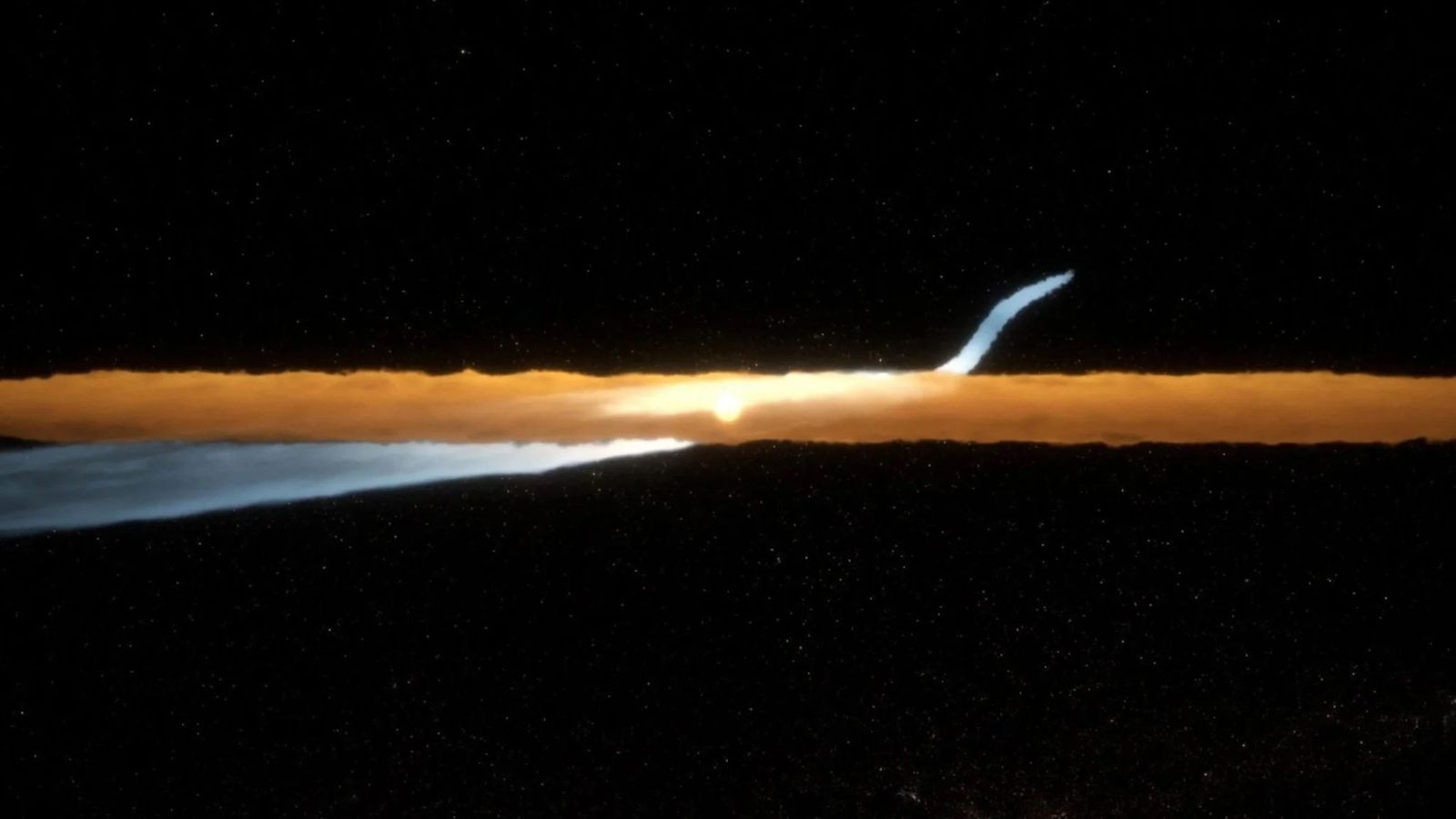
Astronomers at the University of Arizona used Hubble to see a huge dust feature in the Beta Pictoris system in visible light for the first time. Nicknamed the Cat's Tail, it lies roughly 63 light-years from us.
The feature stretches about 93 billion miles and is mostly made of carbon-rich material that soaks up visible light. Combining 14 years of Hubble data with Webb's infrared scans, the team mapped it in 3D and found that it extends off to one side of the star instead of trailing behind it.
 Astronomy Today@astronomytoday