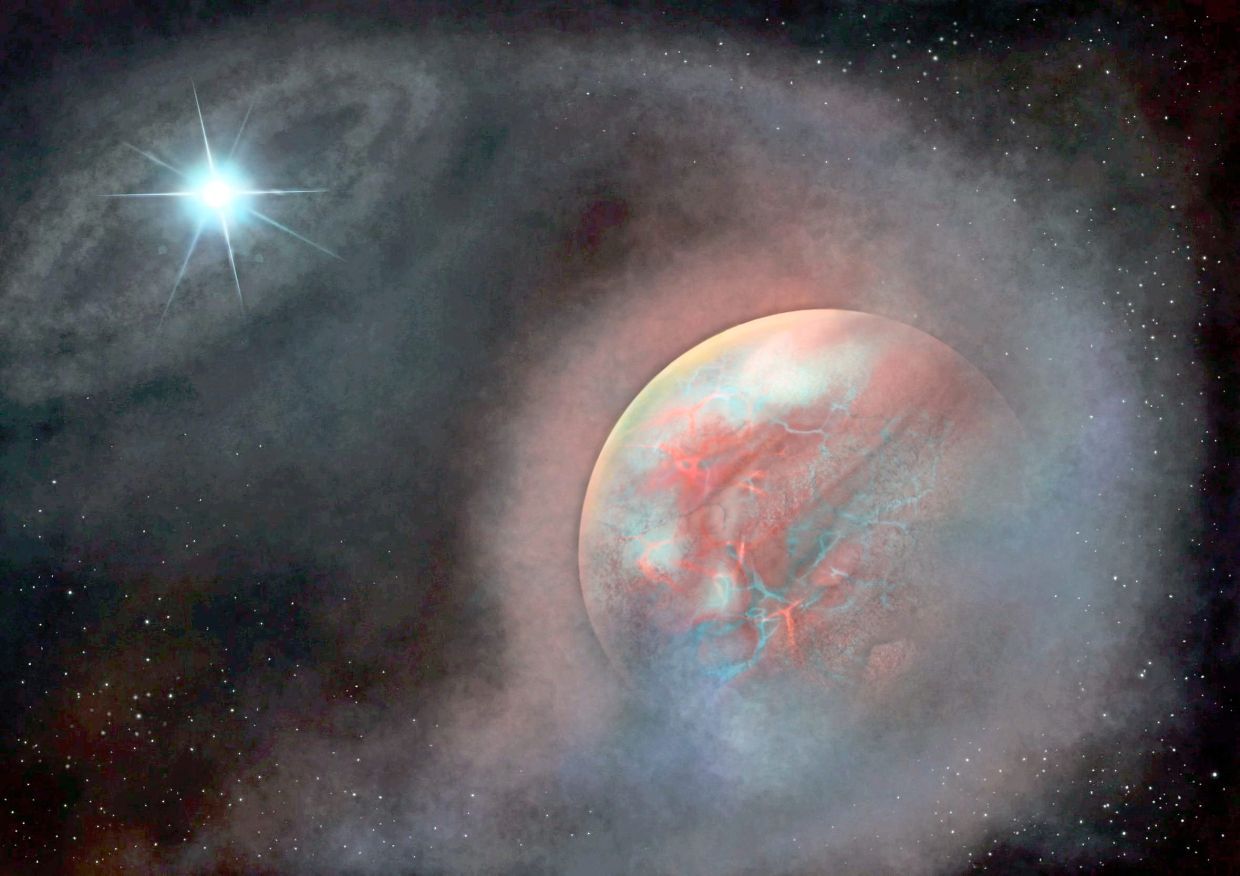
Astronomers say they found a gas giant born from the debris of a dying star, a so-called phoenix planet. It may be a little heavier than Jupiter and orbits a white dwarf about 250 light years away.
Unlike Earth, it came from material a dying star had thrown off, and its chemistry, heavy with niobium, copper and zinc, backs that up. It orbits every 4.4 days, so close that the white dwarf's ultraviolet light is evaporating its outer atmosphere.
Lead author Jamie Williams hopes the James Webb Space Telescope will confirm the findings, which relied on Hubble, TESS and FUSE data.
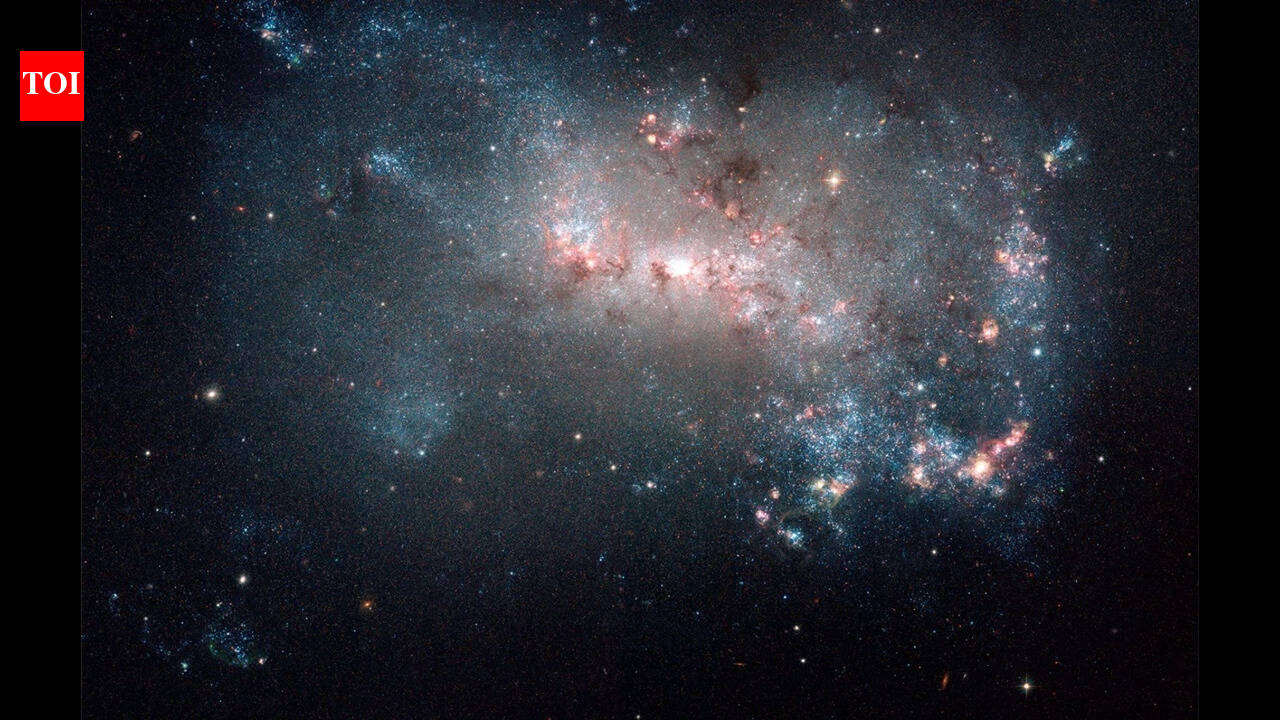
Observations of 37 nearby dwarf galaxies with Hubble found they kept only about 11% of the oxygen their stars had made, leaving roughly 89% of it unaccounted for.
Researchers suspect powerful stellar explosions drive gas out in galactic winds, which appear to strip oxygen from small galaxies far more effectively than models had predicted, since their weak gravity struggles to hold on to material.
Where the missing oxygen went is still unknown, though it may linger in the gas around galaxies or have travelled farther out.
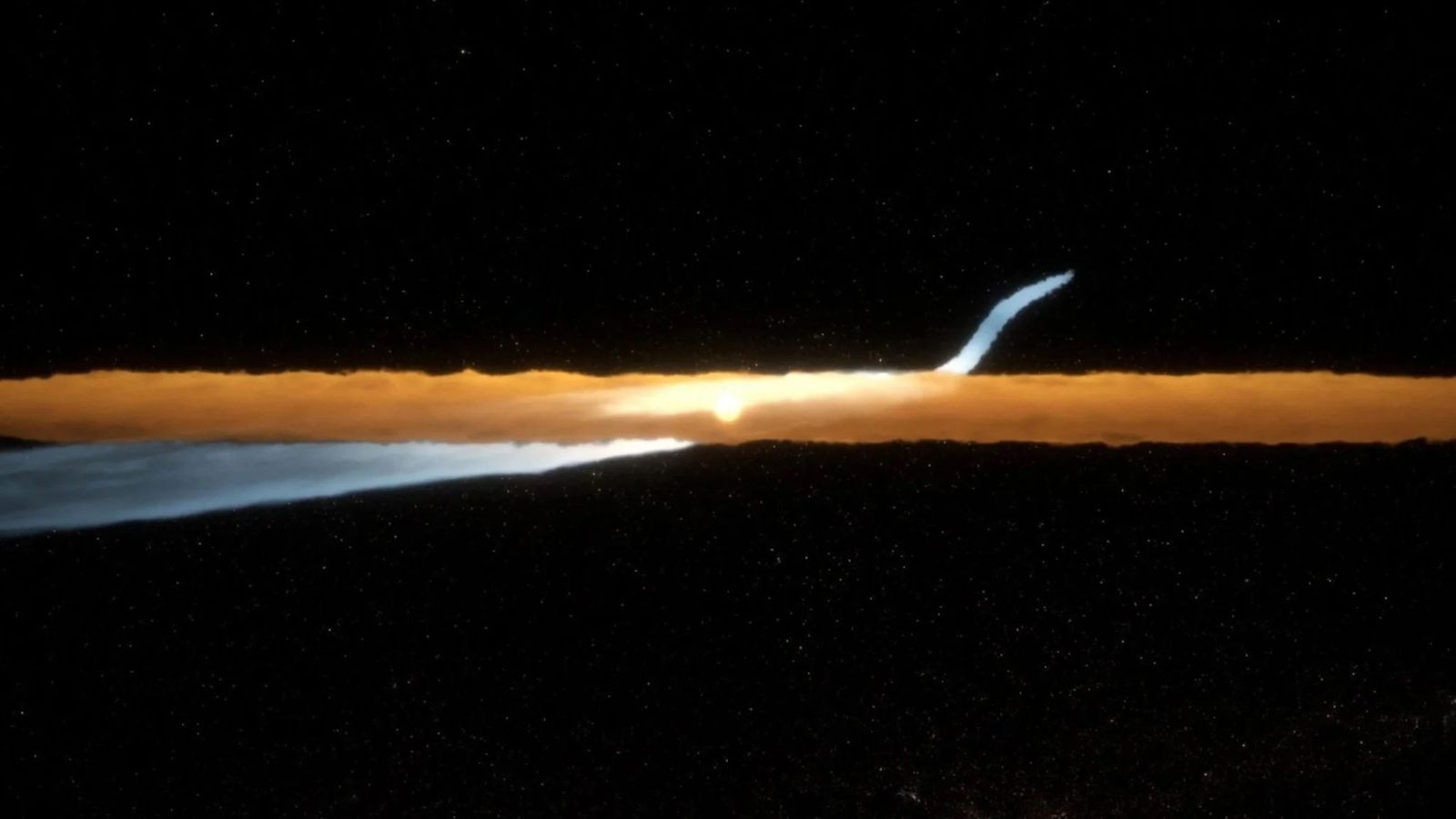
Astronomers at the University of Arizona used Hubble to see a huge dust feature in the Beta Pictoris system in visible light for the first time. Nicknamed the Cat's Tail, it lies roughly 63 light-years from us.
The feature stretches about 93 billion miles and is mostly made of carbon-rich material that soaks up visible light. Combining 14 years of Hubble data with Webb's infrared scans, the team mapped it in 3D and found that it extends off to one side of the star instead of trailing behind it.
 Astronomy Today@astronomytoday