Four U.S. Senate and governor races are still uncalled by the AP, though Democrats will control the House and Senate next year.
In Mississippi, Democrat Scott Colom leads Sen. Cindy Hyde-Smith by 1,145 votes with 96% counted. In Alaska, Democrat Mary Peltola leads Sen. Dan Sullivan by 637 votes with about 74% counted.
Kansas's governor race is also close, with Democrat Cindy Holscher 7,045 votes ahead of Republican Ty Masterson at 99% counted. The AP only calls a race once the trailing candidate has no way left to catch up.
Democrats, about to take over the House and Senate, want to curb White House control of federal spending. They aim to stop President Trump from withholding or redirecting money Congress already approved.
They also hope to boost funding for climate, education, health, housing and safety net programs next year, after many of them faced steep cuts.
Democrats also plan to probe budget chief Russell Vought, who is reportedly drafting a plan that could bring more cuts.
Democrats who will control Congress next year plan a fast start in January. Their early agenda targets voter concerns after the party's strong November 3 showing, including the Iran war, prices and healthcare.
Senator Brian Schatz of Hawaii put a ban on lawmakers trading stocks at the top of his list, alongside ending the Iran war and reversing Medicaid cuts. Republican Senator Josh Hawley of Missouri also backs the stock trading ban and has a bill pending, but Democrats will need Republican votes to reach the 60 votes most Senate bills require.
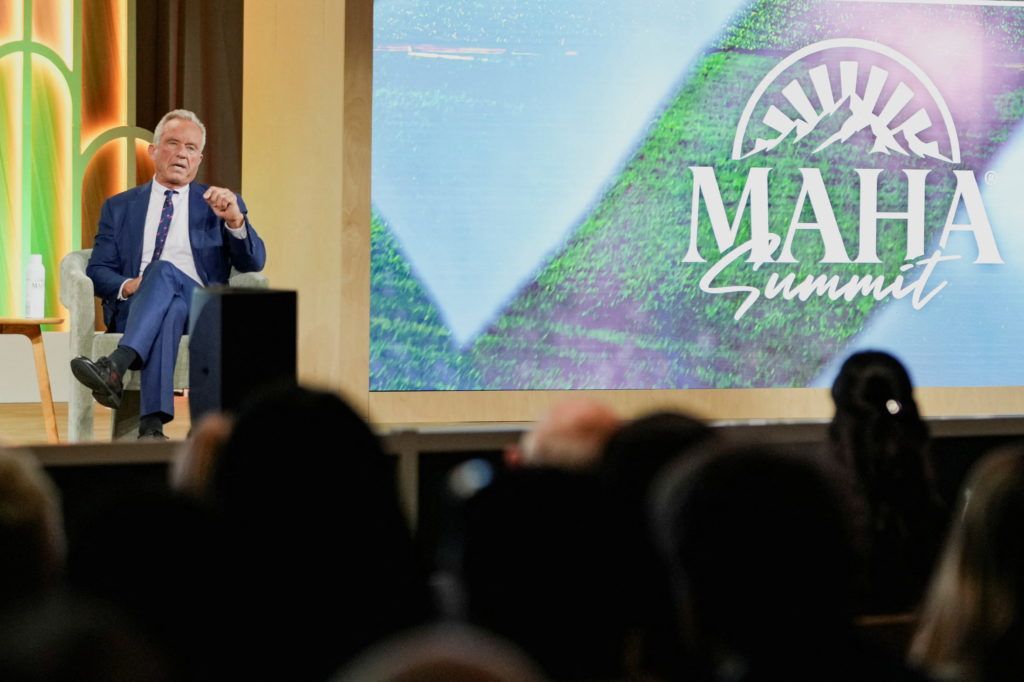
Democrats who take over Congress in January plan to put Health Secretary Robert F. Kennedy Jr. under heavy scrutiny. Some senior lawmakers have floated impeaching him.
The party also wants to work with Kennedy's MAHA supporters on shared goals, like pesticide rules and healthier school lunches. That could be tricky, since many of them still back him strongly.
Sen. Ron Wyden has already opened two probes: one into Kennedy's account of a 2019 Samoa trip, and one into reports that he took hundreds of thousands of dollars in pricey gifts.
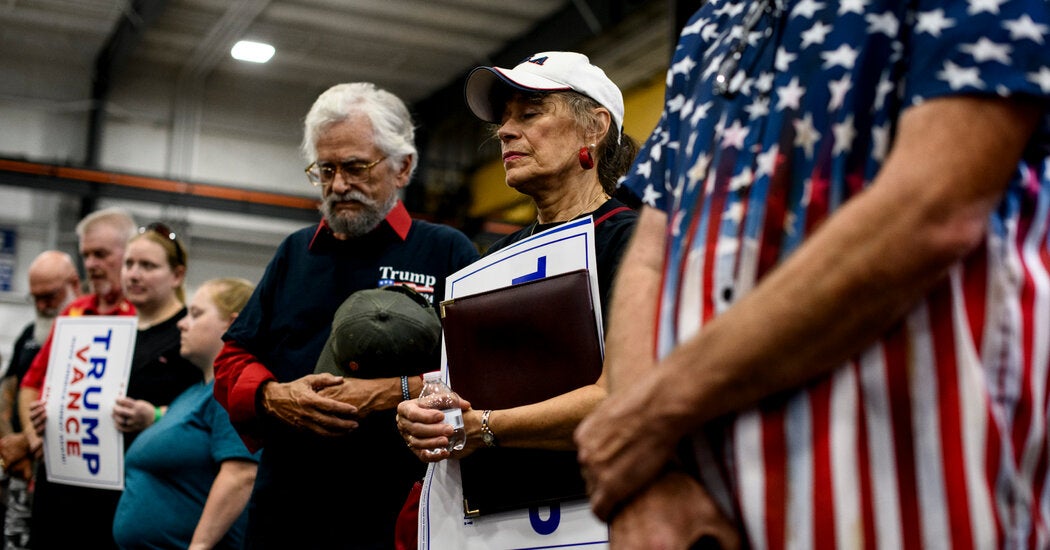
Religious conservative activists took a heavy hit in last week's midterms, their steepest setback since gaining major influence under President Trump. With their goals closely tied to his, the losses suggest their grip on his party has loosened, and activists are scrambling to plan for 2028.
Terry Schilling, who leads the American Principles Project, says the administration delivered few wins beyond some executive orders. He argued the movement could have passed laws to protect children, contrasted that with the Iran war, and said there is no standout accomplishment to point to.
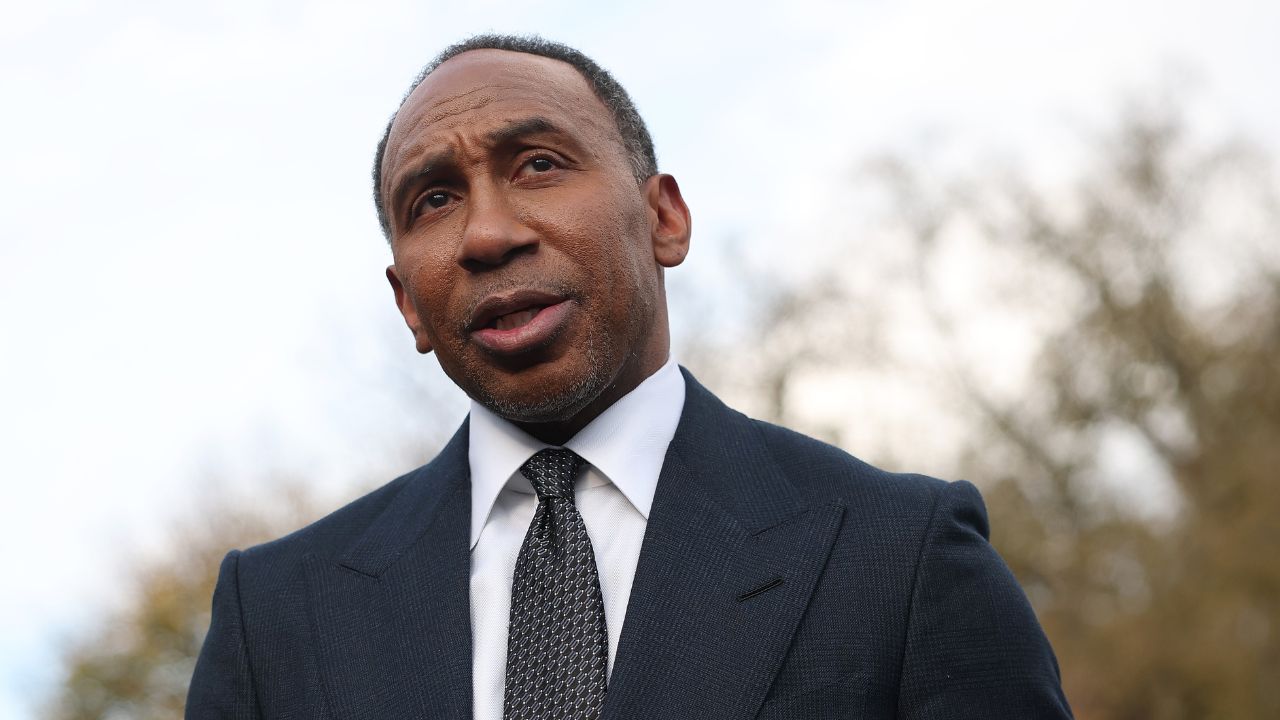
Stephen A. Smith says a 40-minute White House interview with President Trump left him convinced the president won't accept blame for the GOP's midterm losses.
When Smith pressed him, Trump said he was not on the ballot and suggested the Republican candidates were not good enough. Smith disagreed, saying voters were unhappy with how Trump has governed.
Smith also warned that Democrats face a challenge from their far-left flank, which he said makes the party look divided.