An asteroid once hit the North Sea and set off a tsunami more than 100 m tall.
Scientists have confirmed that Silverpit Crater, buried 700 m under the seabed off England’s Yorkshire coast, was made by a 160 m asteroid about 43–46 million years ago. The proof is shocked quartz from an oil well, a mineral that forms only under extreme impact pressure.
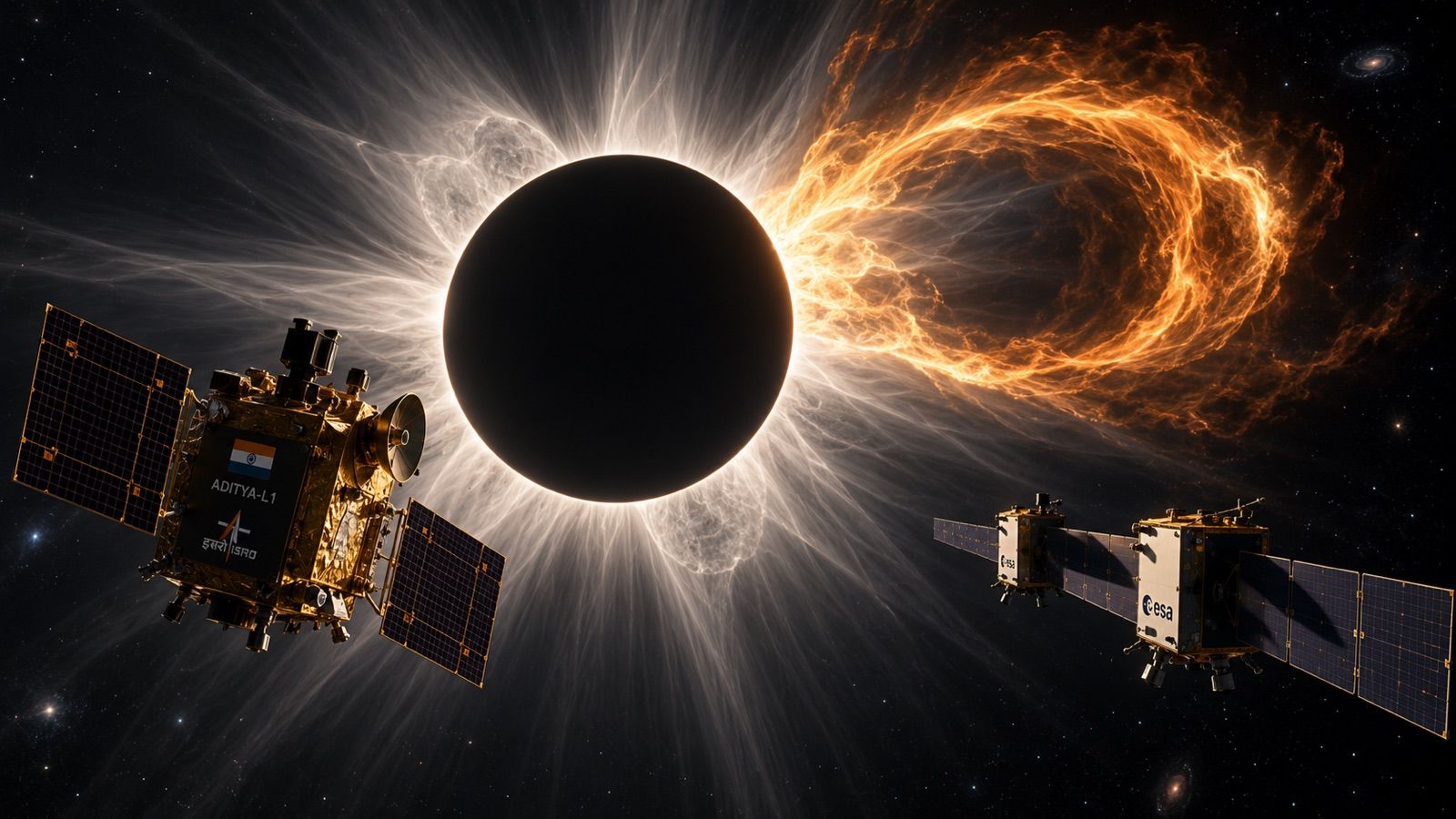
India's Aditya-L1 and Europe's Proba-3 watched the same solar eruptions, and their results agree.
In September 2025, both spacecraft caught two coronal mass ejections (huge bursts of plasma from the Sun) at the same time. Scientists at the Indian Institute of Astrophysics, Bengaluru used both views to measure them.
One raced out at about 645 km/s; the other moved at just 145 km/s. Two very different instruments gave matching estimates of mass and energy.
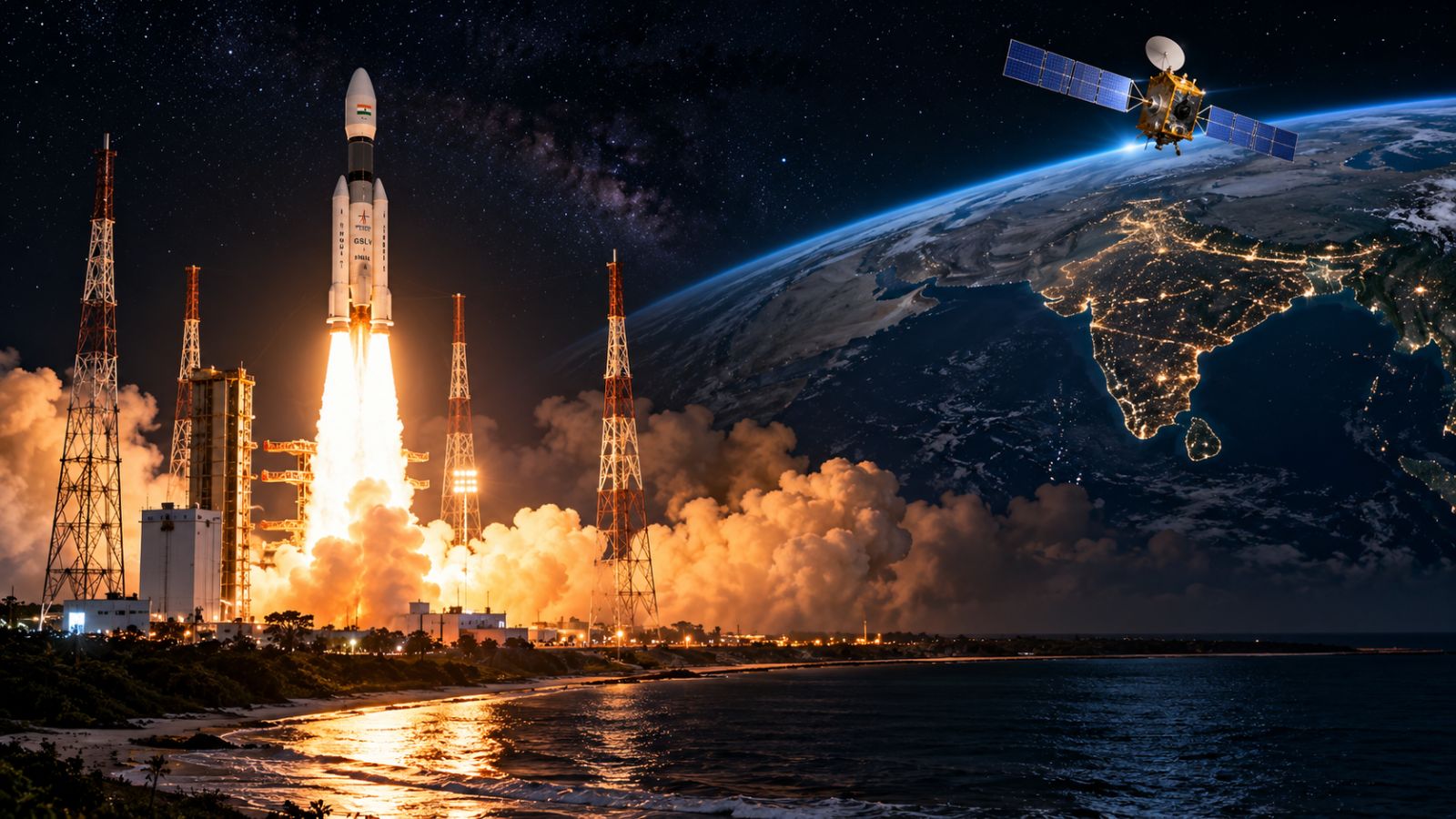
ISRO is set to launch NVS-03 to bring India’s own navigation system back to full strength.
NavIC needs at least four working satellites for positioning, and right now it has three. The new satellite is due to launch on a GSLV rocket from Sriharikota, with 30 October the likely date.
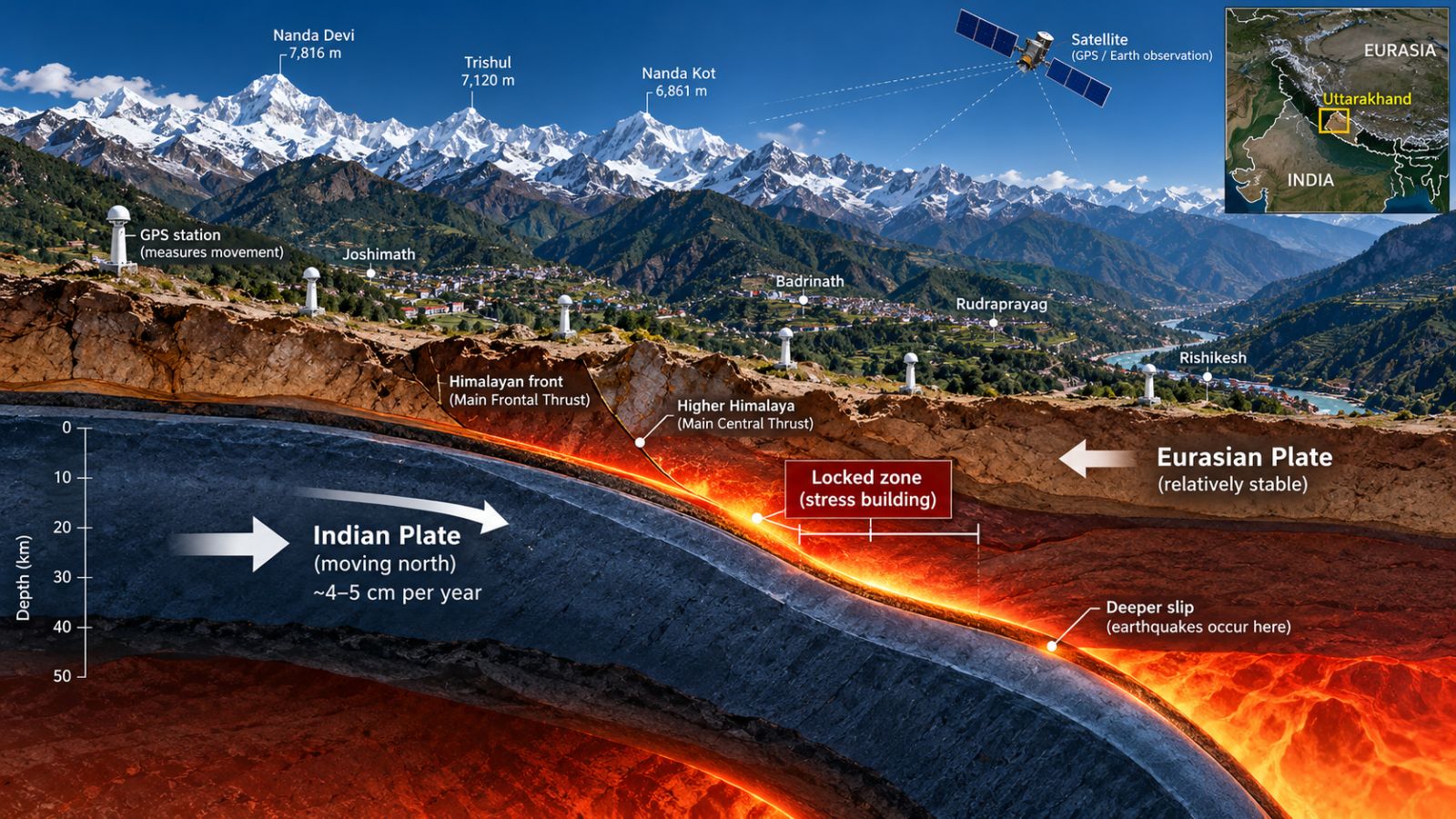
An IIT Bombay-led study used GPS stations and satellite radar to find that a 115 km-wide stretch of the Main Himalayan Thrust beneath Uttarakhand is firmly locked. The strain building up there is equal to a magnitude 8.1 earthquake roughly every 100 years. The researchers stress this is not a prediction, but a reason to prepare.
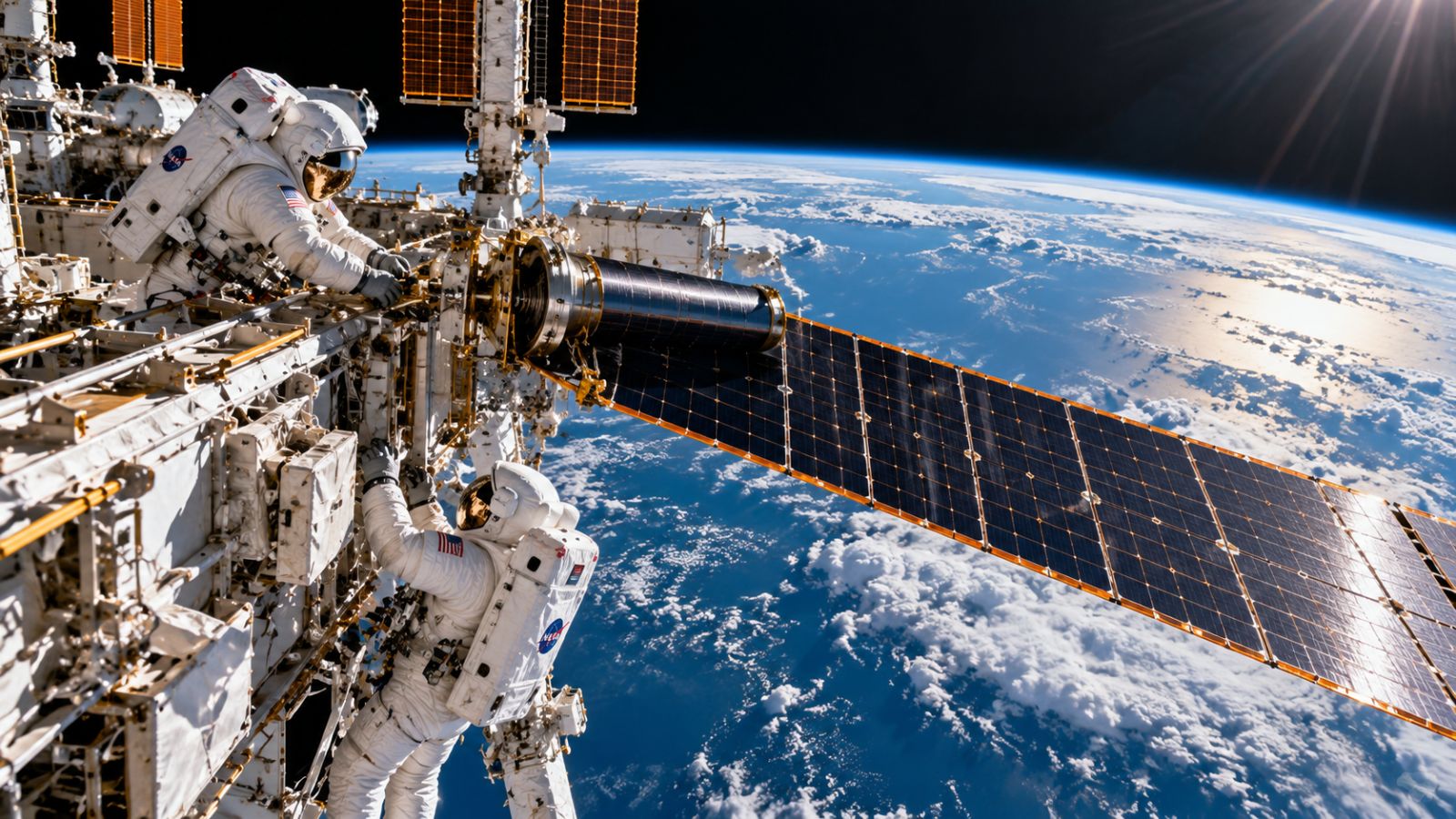
A landmark spacewalk on the International Space Station.
On 29 October, NASA’s Anil Menon and Canada’s Joshua Kutryk spent 7 hours 11 minutes outside the station, installing a new solar array that rolls out to 19 m. It was the 100th US spacewalk from the station without a shuttle docked. The new arrays boost the station’s power by 20–30%.
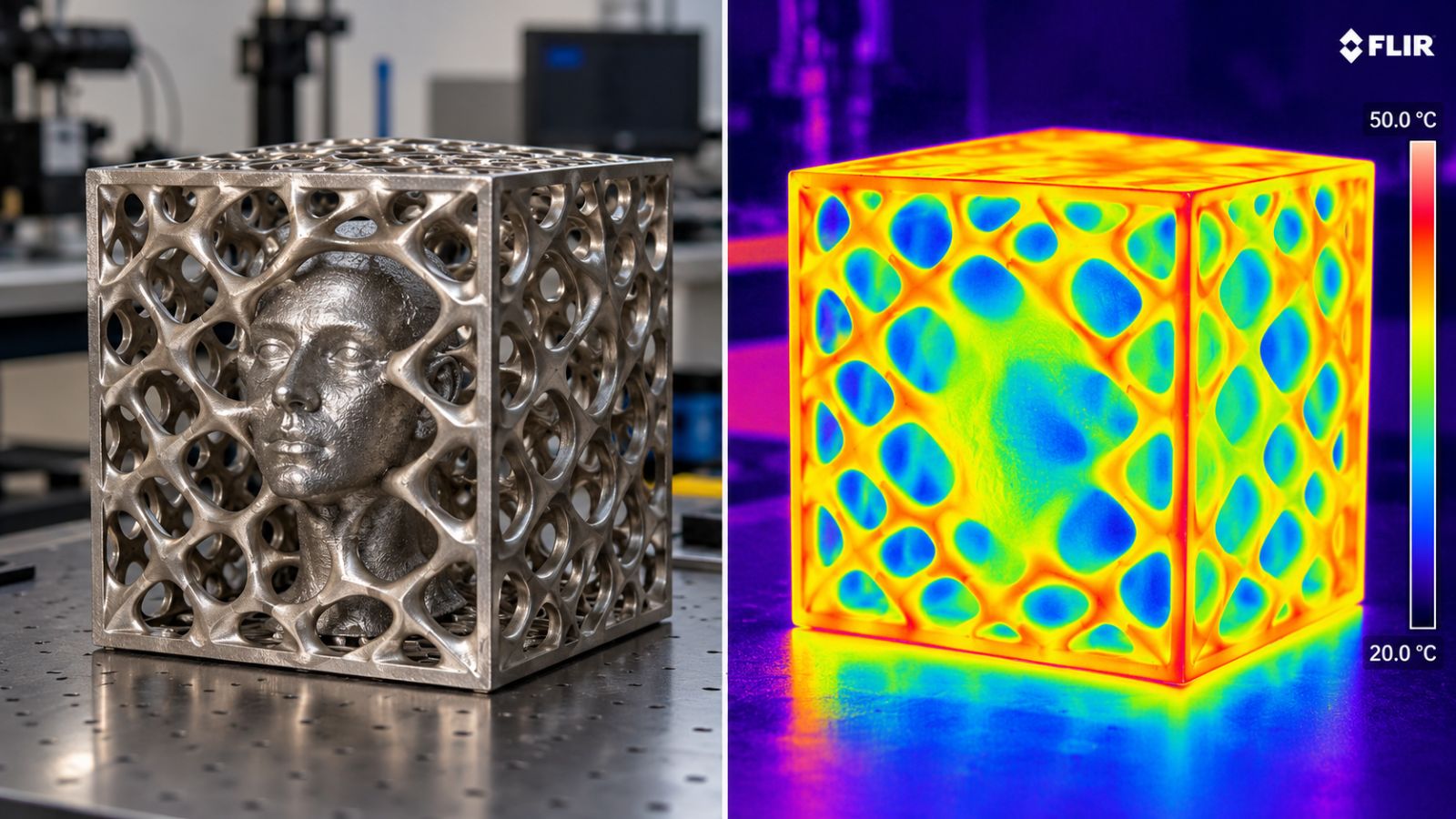
Engineers at the University of Illinois built a 3D cloak from a 3D-printed aluminium lattice filled with rubbery material. It steers heat around a hidden object, so to an infrared camera the object seems to vanish, even complex shapes like a human head. Possible uses include cooling microchips and protecting electronics.